
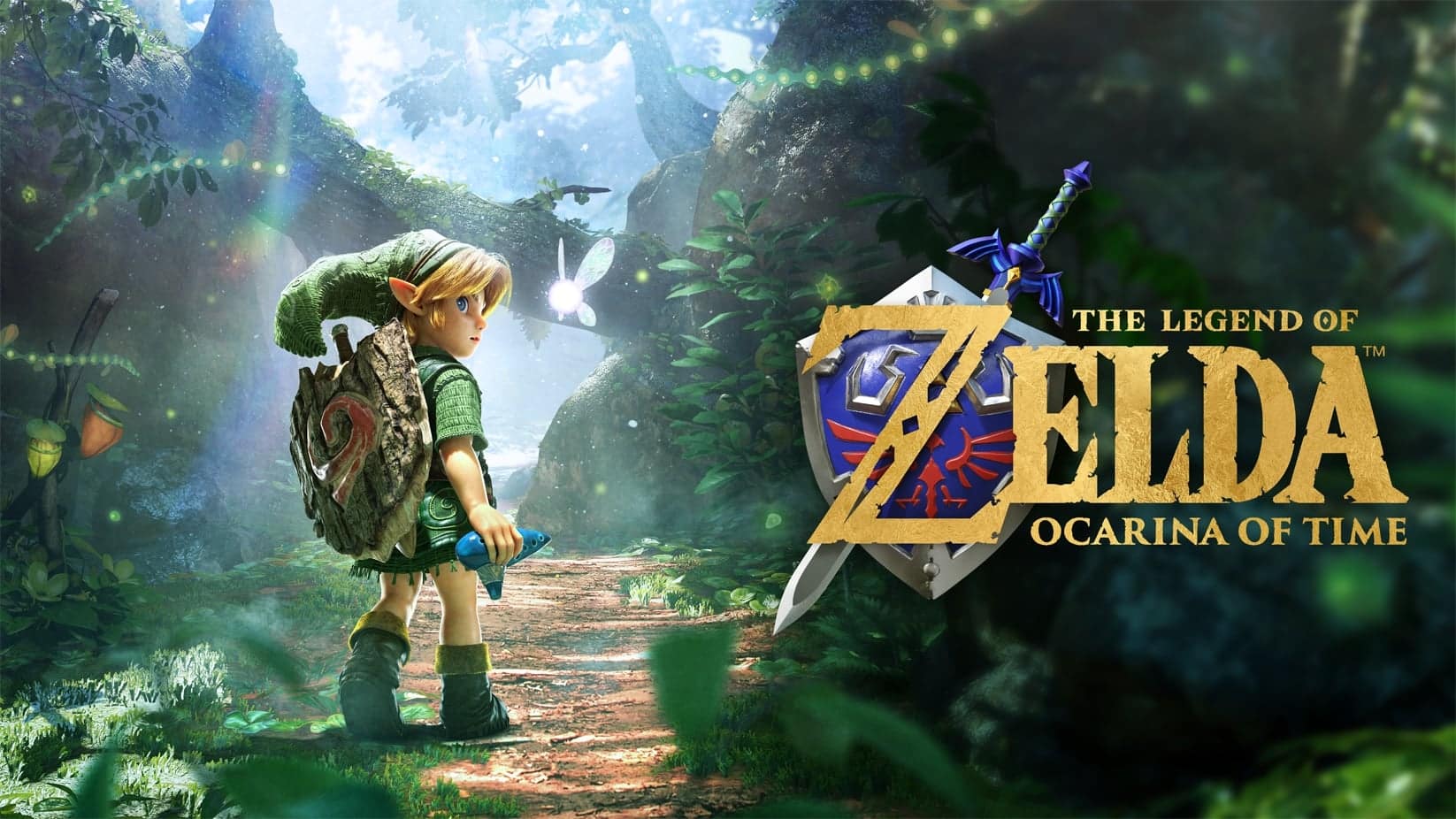
I was born five months after the release of The Legend of Zelda: Ocarina of Time. It might be hard to imagine if you’re older than me, but by the time I was first picking up video game controllers, the entire medium had fundamentally changed from where it was only five months before my birth.
Despite being somebody with a true passion for video game history and a drive to engage with titles released before I was born, I have never been able to get Ocarina of Time. It was the very first Zelda game that I played – I distinctly remember downloading the Virtual Console version one Christmas morning after being gifted a Wii Points card. I was eager to explore it after I had grown fascinated by the five-minute preview contained within Super Smash Bros. Brawl, but soon found the game failing to hold my interest as I struggled to endure beyond the Great Deku Tree with a Wii Classic Controller and a not-yet-diagnosed ADHD brain.
It’s after experiencing this remake, with which Nintendo has opted to completely rebuild the game from the ground up, that I finally get Ocarina of Time. Nintendo has carefully implemented design innovations and techniques popularized in the twenty-eight years following its release while keeping the core of its sprawling sense of awe and adventure just as fresh, making a game that would otherwise seem minuscule in the increasingly overwhelming modern gaming landscape feel just as massive as it was in 1998. More importantly, it’s in the smaller, more intimate moments with its world and characters that Ocarina of Time finally cements itself as one of the best games that I have ever played.
Tale As Old As Time
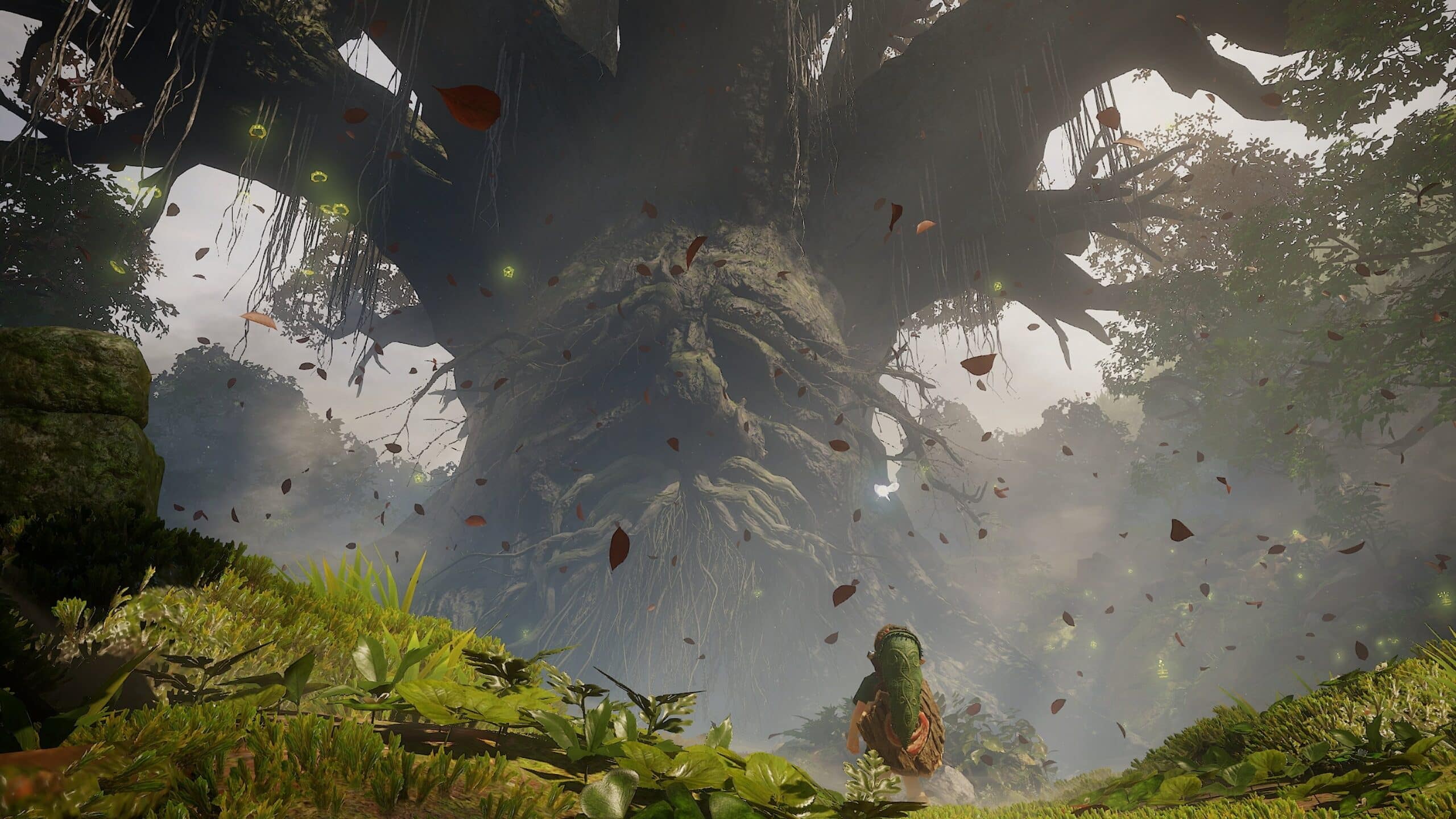
The Legend of Zelda: Ocarina of Time begins with a young boy named Link who lives among a race of eternally youthful fairy children in the isolated Kokiri Forest, protected by the wise Great Deku Tree. On the day that Link receives his own fairy, a rite of passage for the Kokiri, he is summoned by the Great Deku Tree, which reveals that it has been cursed by an evil king hailing from the neighbouring Gerudo tribe. Before it succumbs to the curse, the Great Deku Tree tasks Link with leaving the Kokiri Forest to travel to Hyrule Castle, where he warns Princess Zelda of the mysterious figure.
Here, he learns that the man, Ganondorf, is on a quest to obtain the Triforce, a relic that bestows its wielder with godlike power capable of forever changing the Kingdom of Hyrule. Determined to obstruct Ganondorf’s ascension to power and protect Hyrule, Link embarks on a quest to obtain the Sacred Stones and claim the Triforce before him.
Link’s journey takes him all across Hyrule. From the quiet Kakariko Village to the volcanic Goron City, the gorgeous Zora Domain tucked away under Lake Hylia, and the mysterious, secluded Gerudo Desert. Over the course of the adventure, players acquaint themselves with these regions, as each settlement is densely detailed with their own cultures and history, and NPCs share relationships and routines, often requiring Link to help them in return for something to aid him on his journey. It all contributes to this feeling of a shared living world that is then completely flipped on its head once Link travels into the future.
After Link obtains the Sacred Stones as a child, he receives the Ocarina of Time and travels seven years into the future. Now an adult, we, along with Link, return to Hyrule with a renewed quest to become the legendary Hero of Time. At this point though, the world has changed. Hyrule has been plunged into an age of uncertainty and darkness, and while there is still beauty to be found in its grasslands and settlements, the time within the seven year gap has scarred its inhabitants, forcing them into a fight for survival against forces of evil.
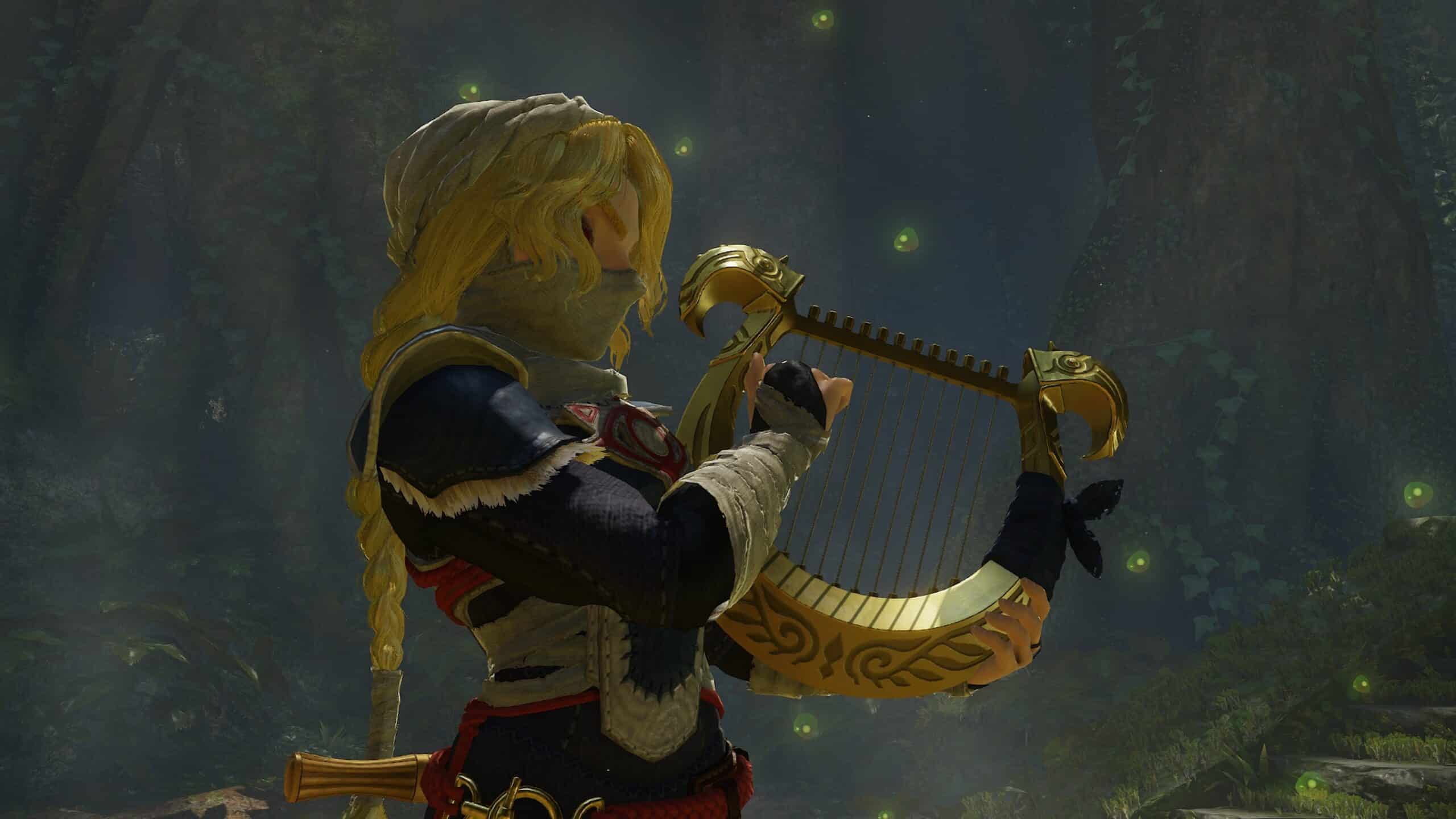
While I always admired Ocarina of Time’s world and characters, the remake manages to encapsulate an atmosphere unlike anything I have ever experienced. Through shockingly detailed art direction, sweeping orchestral compositions, and a playful world that rewards thoughtful experimentation with its sandbox, Ocarina of Time remains gaming’s best encapsulation of the idealized childhood fantasy adventure.
At best, it somehow manages to go beyond even that, with the second half giving way to truly harrowing commentary on the fleetingness of childhood and the safety that is stripped away as we inevitably ascend to adulthood. It’s all executed in a way that only this medium is capable of and has all of the emotional weight in 2026, as I can assume it did in 1998, now with the added depth that a reflective work of art such as a remake can provide.
A Fresh and Familiar Quest
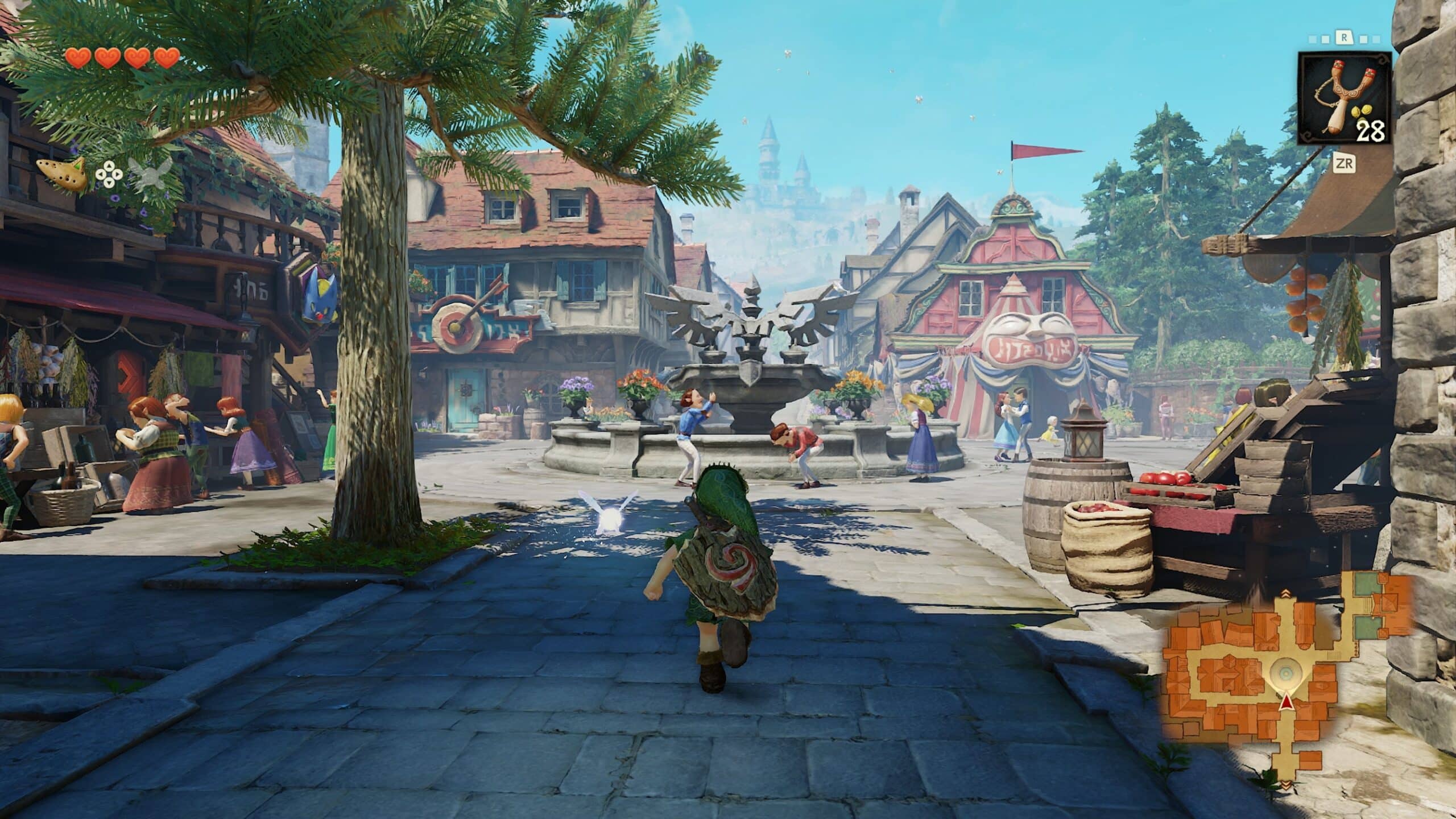
Nintendo has cleverly opted to leave the structure of the world relatively unchanged. Outside of a select few, each major area is still broken up by loading screens, and they retain the same general layout comparable to the Nintendo 64 game. This includes Hyrule Field, which feels practically quaint against the original but especially so when put against the gigantic worlds of the Wild era games. Despite being a full triple-A Nintendo Switch 2 production, none of this makes Hyrule itself feel small, if anything the commitment to the limited scale but high density environments of the original game makes the space between each bespoke area feel more real than many larger modern games ever come close to achieving.
While players will quickly familiarize themselves with a world that they can traverse in less than ten minutes, it’s the depth tucked into these areas that makes each of them feel alive. For example, there’s not a single NPC spared. Each has a role to fill and a bespoke personality that shifts and reacts to events as the narrative changes or the player influences their surroundings in a way that makes them feel more like participants in the overarching narrative of Hyrule rather than actors populating a scene. It’s a testament to the meticulous nature of the original game’s art direction that some of these faces have gone on to become recognizable in their own right (I’m of course talking about the Bombchu Bowling Alley attendant).
Knowing which NPCs matter most to Link’s journey is also made a lot easier thanks to the Threads of Time. This is essentially a quest log feature that records each of the game’s main and side quests on a large tapestry that is filled out as the player progresses, making it easier than ever to keep track of what’s next. Some may scoff at this, but this was one of my most wanted features for the remake. The original game’s lack of signposting was perfect for losing a summer to if you were willing to explore every nook and cranny, but game design, including Zelda’s, has changed over the years and at least being offered the opportunity to tell and keep track of progression is a thoroughly welcome addition.
One area in which Nintendo may have overcorrected is in just how much characters also point the player in the right direction, particularly in the dialogue. While I’m happy with how the Threads of Time point towards significant progress goals, there is, at times, an overabundance of added dialogue telling players exactly where to take Link next following the completion of an objective. I empathize with why this was included, especially to avoid situations similar to my own childhood experience with the original, but there are points where it feels like the balance is not entirely struck and Nintendo is falling into some old habits of not trusting its players’ agency that I thought would be over after Breath of the Wild and Tears of the Kingdom.
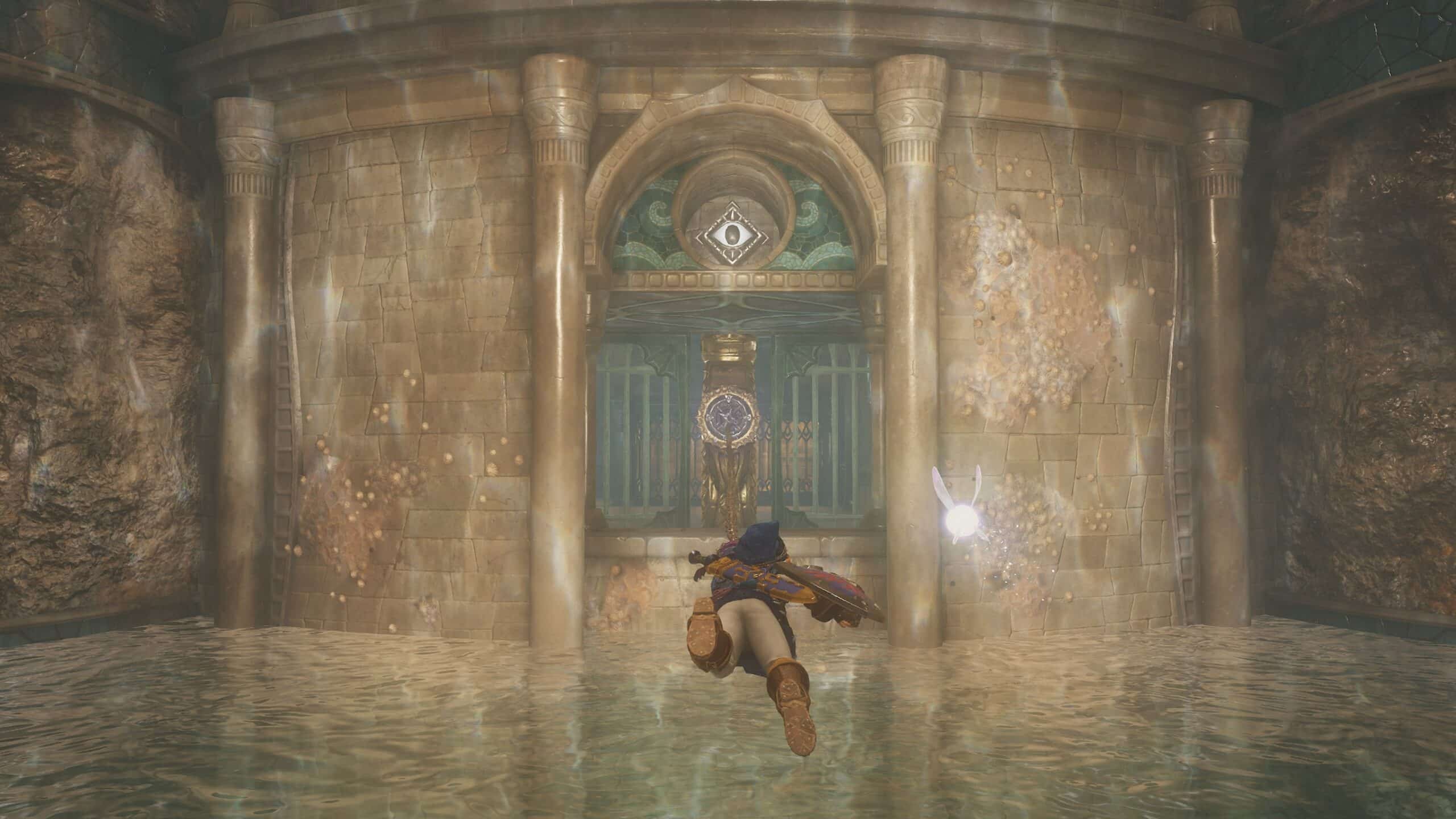
For being the series’ 3D debut, it’s astonishing just how well the team managed to nail the majority of its dungeon design the first go around. It’s also just generally refreshing to play some classic Zelda dungeons again after Tears of the Kingdom had some fairly underwhelming attempts at reintroducing them following Breath of the Wild’s Divine Beasts.
Each of Ocarina of Time’s dungeons are distinct and given presence through their narrative impact and unique mechanics, with a perfectly tuned difficulty curve that underscores the game’s excellent pacing. Truly, the design has not aged a day, and improvements to controls for equipping items such as the Iron Boots and Lenses of Truth do away with the unnecessary inventory management without chipping away at the friction inherent to their dungeons.
As for other tweaks, Link’s movement and controls have been adjusted to blend elements from both the original and more recent entries in the series. Link now has an assigned jump button, which took me a few hours to get used to, and the camera can now be completely controlled with the right analogue stick. Both of these are welcome and surprisingly significant improvements over the original, at least for somebody like me who, as we have established, has an irrational fear of the Nintendo 64 controller.
A slight run function has also been added, with players now being able to move at a slightly faster pace after performing a roll. Crucially, this does not affect the pacing of the game, and feels like another thoughtful addition that is more of a compromise than an overcorrection like adding the ability to travel around with Epona as young Link would have been.
A Remake For The Ages
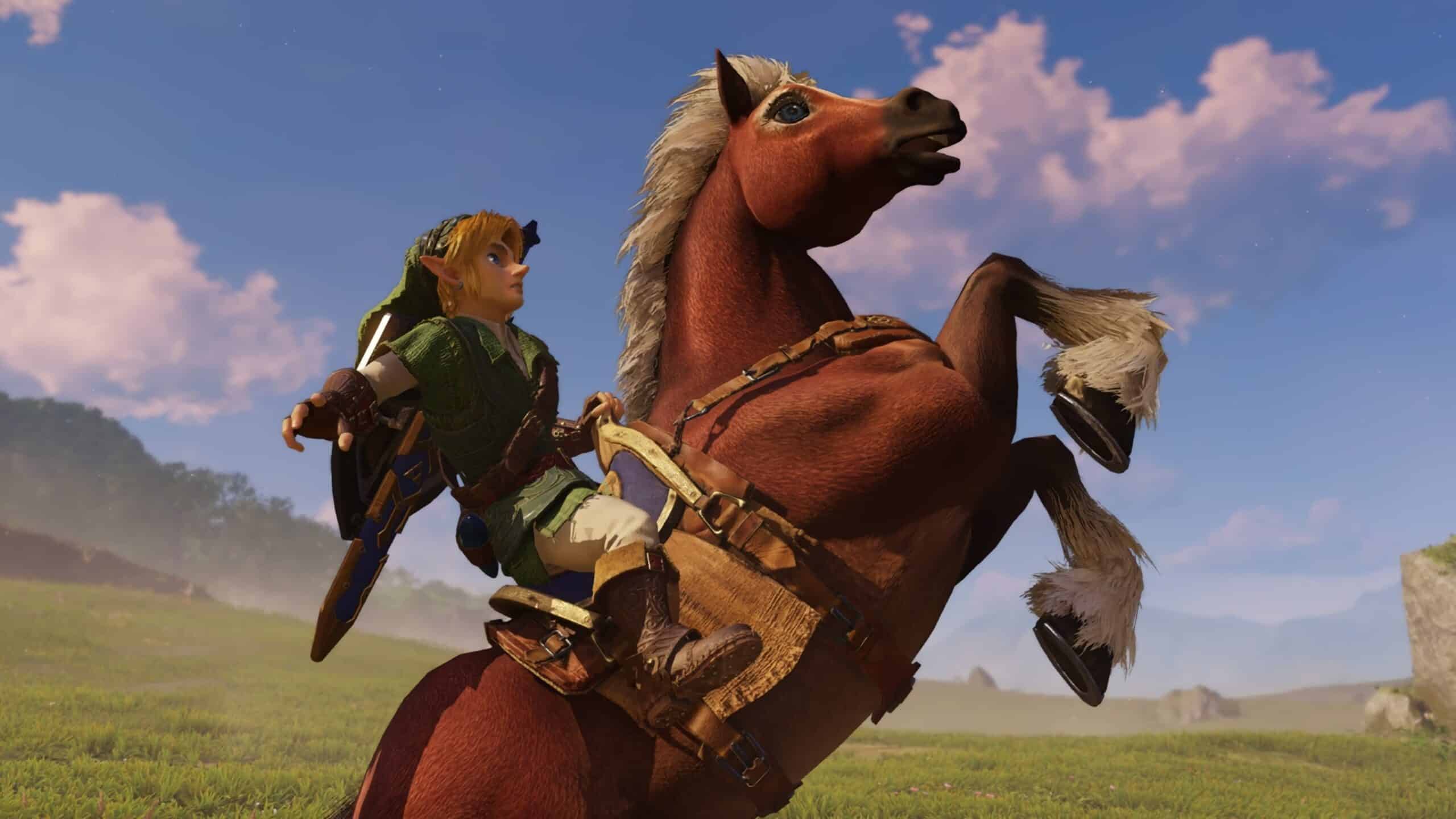
Where this remake helped me appreciate the original the most is in what’s left unchanged. Each time I found myself hours deep into a play session, becoming engrossed in its world, navigating its dungeons, falling in love with its characters, I constantly ended up reminding myself that these were things I had experienced or had at least seen referenced in relation to the 1998 original. Like with all great remakes, Ocarina of Time is at its best when it’s in conversation with the countless experiences people have had with the original game, knowing exactly what strings to pull on without overly indulging in its own legacy and alienating newcomers. This is The Legend of Zelda: Ocarina of Time. Now I finally understand, tangibly, why this game was such a big deal. More importantly, though, I finally had an experience with it to call my own.
Verdict
By retaining its core structure and mechanics, The Legend of Zelda: Ocarina of Time’s remake proves that it is still an enduring masterpiece with some of the best world and dungeon design in the series. Through clever improvements to progression tracking and stunningly reimagined visuals and music, Nintendo has brilliantly reworked one of the greatest games of all time, adding new depth to its whimsical and somber coming of age story.

The Legend of Zelda: Ocarina of Time is available now, exclusively for Nintendo Switch 2.