CONTROL Resonant, the upcoming sequel to Remedy Entertainment’s mind-melting paranatural action-adventure CONTROL, has been my most hotly anticipated game since we knew it was being developed. As a huge fan of the first game, I have enjoyed several playthroughs of Jesse Faden’s adventures within the Oldest House since its release in 2019, with my most recent one suitably planned to finish before I left for Gamescom 2026.
Thanks to the dev team for letting me book a time slot, I made my way to the CONTROL Resonant booth, just stopping myself from taking a bite of that sweet-smelling Mold, and played through the opening section of the game. While it’s no secret that Remedy are taking some big leaps with Resonant, being their first “open-zone” and melee combat-oriented game, what I played in those 60 minutes has me pumped for a weirder, wilder, and more visceral sequel.
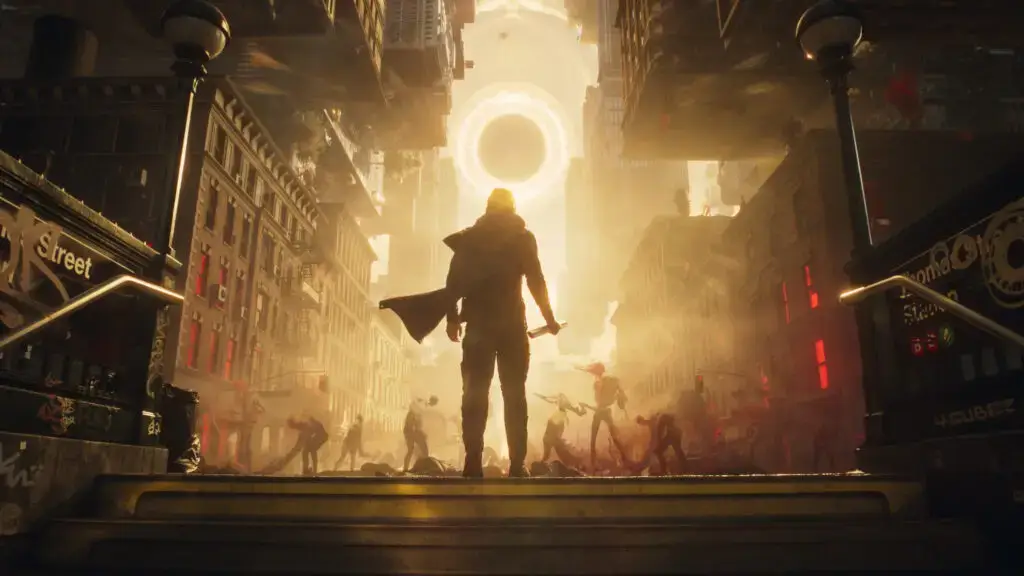
This is made clear from the start, with the opening cutscene showing a desperate Director of the Federal Bureau of Control, Jesse Faden, stabbing her comatose brother Dylan with the Aberrant, a thick piece of shapeshifting metal, sending him to the Astral Plane. Upon waking up, Dylan removes the weapon and finds himself alone within the dark, body-strewn corridors and offices of the Oldest House, headquarters of the FBC, where he has been held against his will for the last 24 years. It’s an intro that eerily mirrors the first game’s, but while Jesse’s introduction as our hero may have been somewhat controlled, Dylan’s feels raw and desperate.
Things may have gotten pretty messed up in the FBC during the first game, but the devastation of the bureau is on another level here, with Hiss-corrupted employees floating and chanting everywhere, a trail of destruction leading Dylan to the shattered remains of the building’s entrance. All that was once kept under lock and key, placated by rituals, and all other manner of precautions within the Oldest House was now free in Manhattan, and Dylan was the last to leave.
The city was hit hard by the various malicious entities now running amok, taking on the appearance of the city scene from the film Inception while on acid, with buildings folding over themselves, helices of fluttering pigeons, and giant swathes of road just gone, an infinite void stretching below. But it’s not just the city that is in complete chaos; the FBC forces in Manhattan are nearly at breaking point, with the bureau’s shortcomings and limitations on full display. Even Zoe De Vera, the FBC agent Dylan encounters upon leaving the Oldest House, doesn’t know that his sister has been the Director of the Bureau for the last seven years. Talk about a lack of communication.
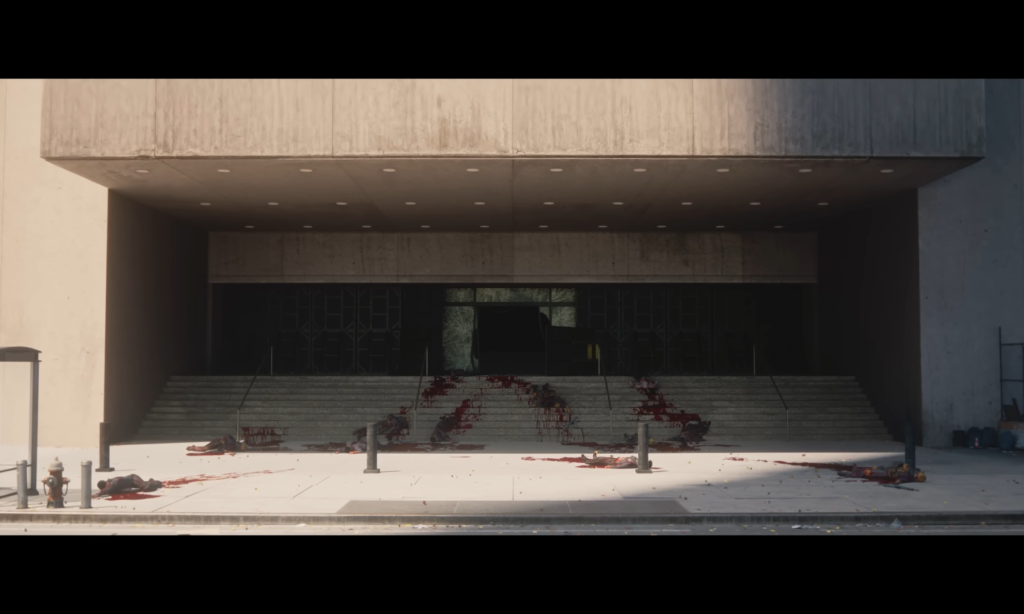
The shot of that office building entrance, blood and bodies covering the steps as what had been contained inside burst out into the city beyond, feels like a wonderful visual metaphor for Resonant’s raised stakes. The Oldest House, once an unknowable bastion and humanity’s last line of defence against paranatural forces, had fallen. What could that mean for the world beyond its walls?
Racing through this abstract mess of concrete and metal, half-sunk taxi cabs and floating skyscrapers, and with my recent playthrough fresh in my mind, it’s clear how the contrast between each game’s design complements the other. The first CONTROL made confinement feel like part of its identity. You learned the Oldest House, its rooms, its shortcuts, and its rules. Resonant apparently wants to take that carefully contained nightmare and throw it out into a city that doesn’t follow those rules.
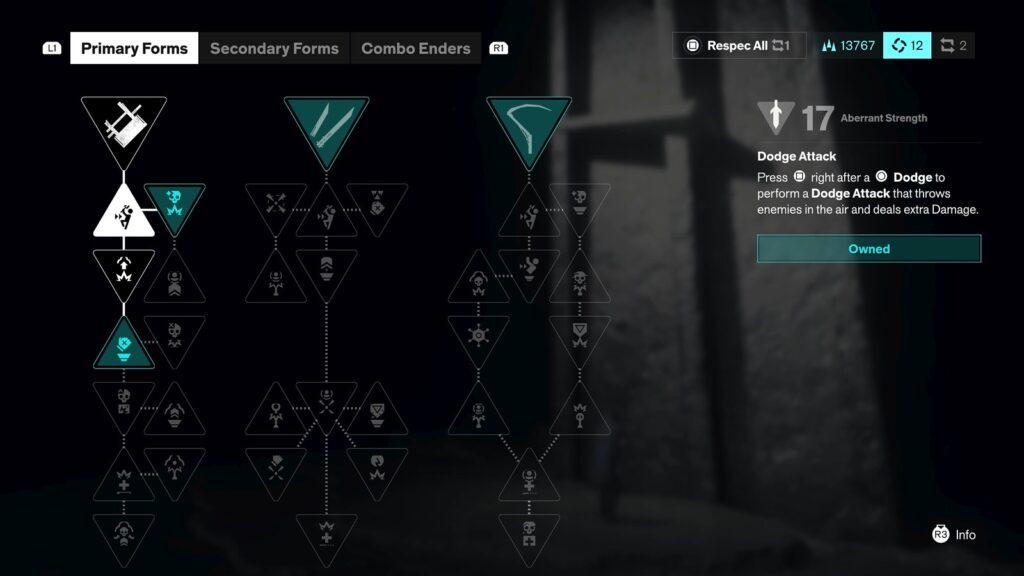
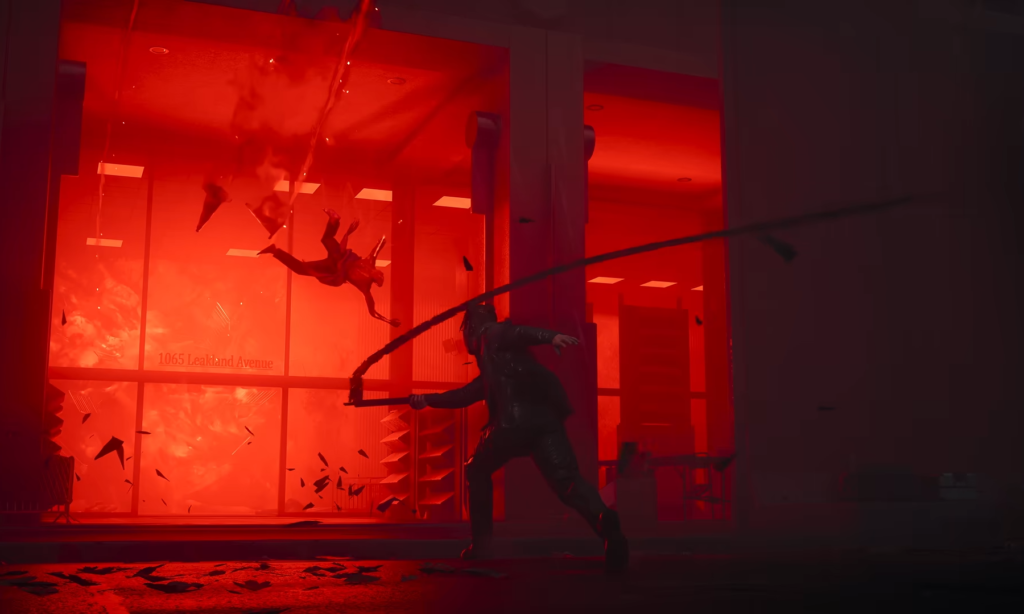
The other major shift comes in Resonant’s combat, with Dylan opting for a more up-close and personal approach than his sister. Dylan can select different weapons he wants the Aberrant to transform into during combat, with several options for light and heavy attacks, each with their individual stats. I opted for the scythe form for my regular attacks, with Dylan swinging it in front of him in a wide arc, catching multiple Hiss enemies, and the whip form for my heavy attacks, using its longer range when I needed to find some space but continue to damage my attackers. This combo felt great to me, offering a decent amount of versatility and an easier time hitting more than one target, but I am just as excited to try out the others.
Along with this change in combat comes a change in how you approach each fight, and I had to learn this quickly. Resonant shares its camera positioning and perspective with the first game, but the switch up from ranged to melee presents a new set of challenges. With Jesse, it was easy to keep most of your enemies within your field of view, keeping distance as you shot at them or hurled pieces of debris and furniture using your telekinesis. You don’t have that luxury when fighting as Dylan, who will often be in the thick of the fight, with attacks coming from all possible directions and even from off screen. I found Dylan’s dodge and multiple jumps were invaluable for getting out of sticky situations or to just reorient myself and get a lay of the battlefield. It’s challenging but fair, pushing players to use everything at their disposal and never stop moving.
Trailers for CONTROL Resonant showed off the game’s combat from the start, and I know I wasn’t the only one who thought it looked great. Thankfully, it feels as good as it looks, with Dylan dashing between enemies, launching them into the air, and throwing his whole body into each strike, matching the ferocity of the fight. Attacks shred through environmental clutter, kicking up a storm as Dylan launches himself towards his next adversary, and the Hiss still spew their signature shimmering miasma, as if their blood is reacting with our reality. But even how Remedy have animated Dylan reflects him and stands in contrast with Jesse. Dylan moves in an almost erratic way; a sense of urgency, or perhaps rage, powering his every leap between rooftops and swing of the Aberrant.
For all of Resonant’s changes, though, there were moments when it felt unmistakably like CONTROL. Fans can look forward to picking up more heavily redacted documents, dealing with new and returning members of the FBC, fighting hordes of twisted monstrosities created by several forces, and navigating an environment that no longer conforms to our understanding of reality. But nowhere was Remedy’s unique weirdness more apparent than the boss I fought towards the end of my hour: the Artist.
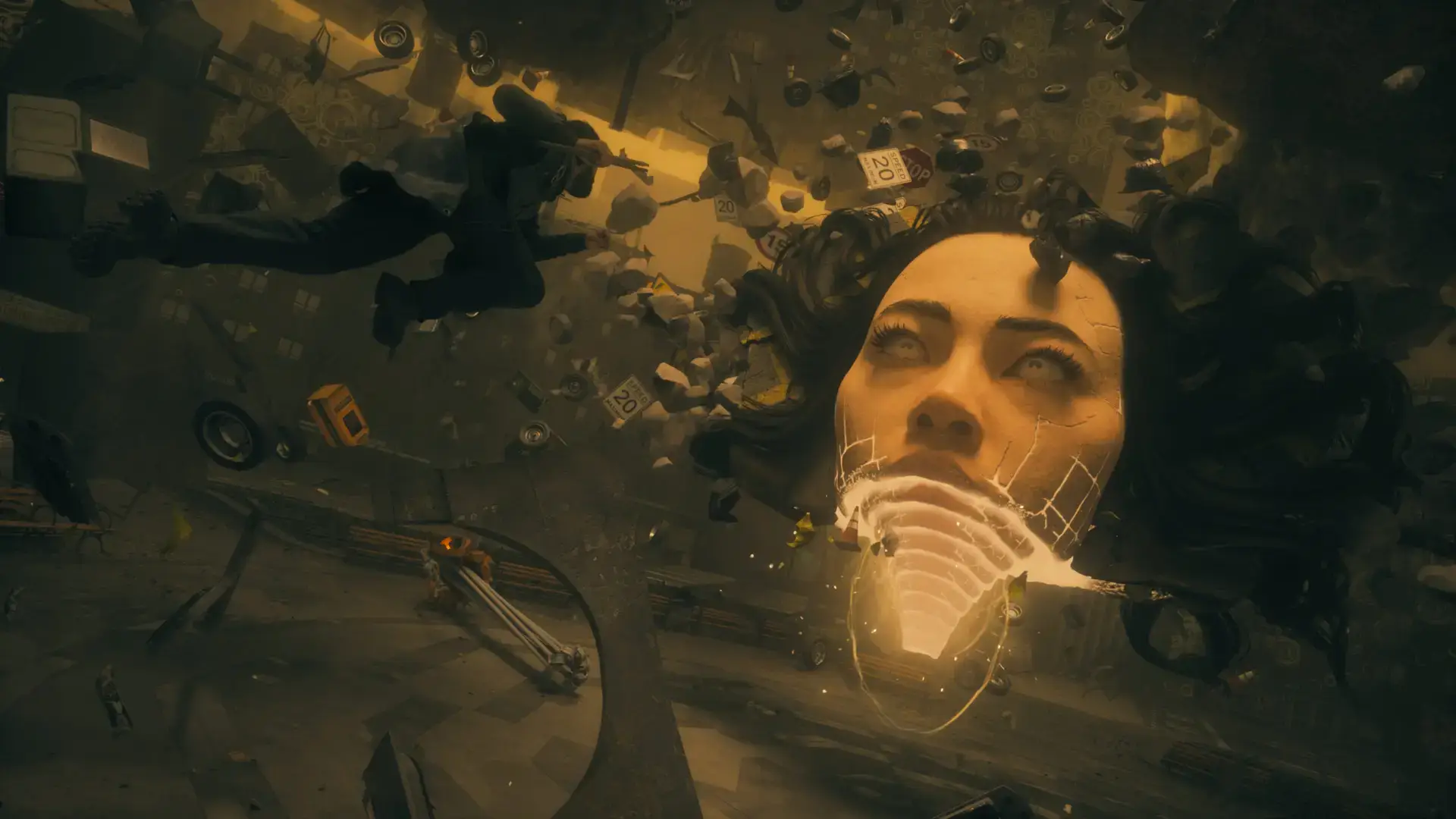
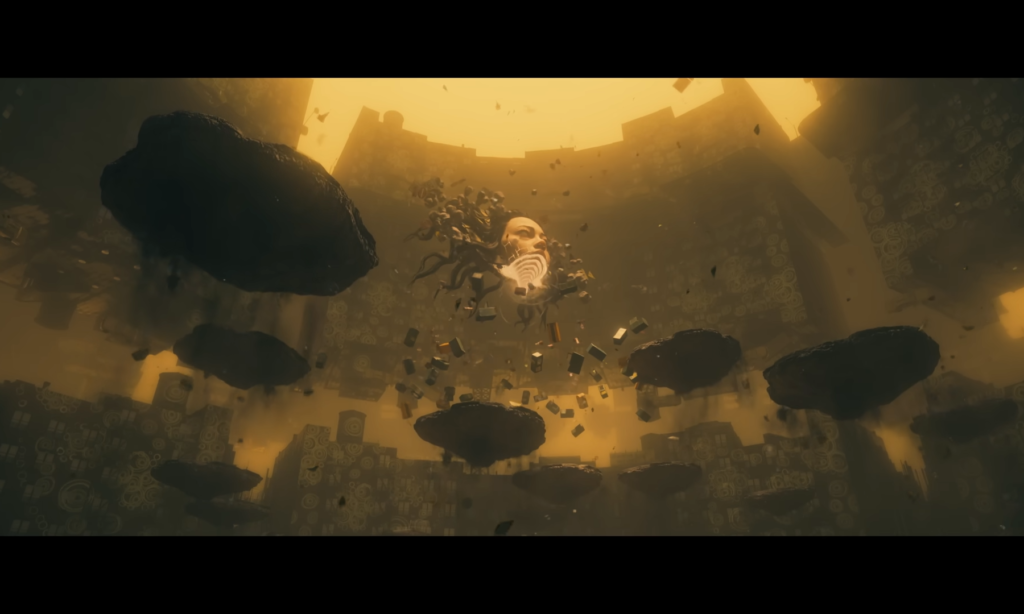
After walking through an art gallery that seemed to repeat itself like two mirrors facing each other, I wound up in an arena like location filled with abandoned cars and lampposts. At its centre was the boss: a giant woman’s head, everything from the mouth upwards, which rose into the air and began hurling cars at me from afar. Dashing in to get close and deal damage prompted it to levitate a set of lampposts and swing them down and across in front of itself, creating the perfect opportunity for some aerial combos.. Midway through the fight the boss rose high up in the centre of the arena, charging something up below where its mouth should be. Using floating bits of the floor I rushed to hit it in the hopes of stopping whatever it was doing. I was successful, causing the boss to fall to the ground for more punishment. It’s an introductory boss fight that focuses on the fundamentals of combat without letting up on its creativity and spectacle.
There are still plenty of questions we can’t answer until we get our hands on the full game, but after spending an hour seeing the Oldest House crumble, tearing through Hiss with the Aberrant, and stepping into a Manhattan that looks like reality has forgotten how to behave, I’m more excited than ever for what Remedy have in store for us.
CONTROL Resonant releases on September 24th across PC, PLayStation 5, and XBOX Series X/S.
Are you looking forward to CONTROL Resonant? Which weapon do you prefer, Jesse’s Service Weapon or Dylan’s Aberrant? Let us know in the comments below, and join the Gamer Social Club Discord to chat about your favourite games, play in community game nights, take part in giveaways, and more!