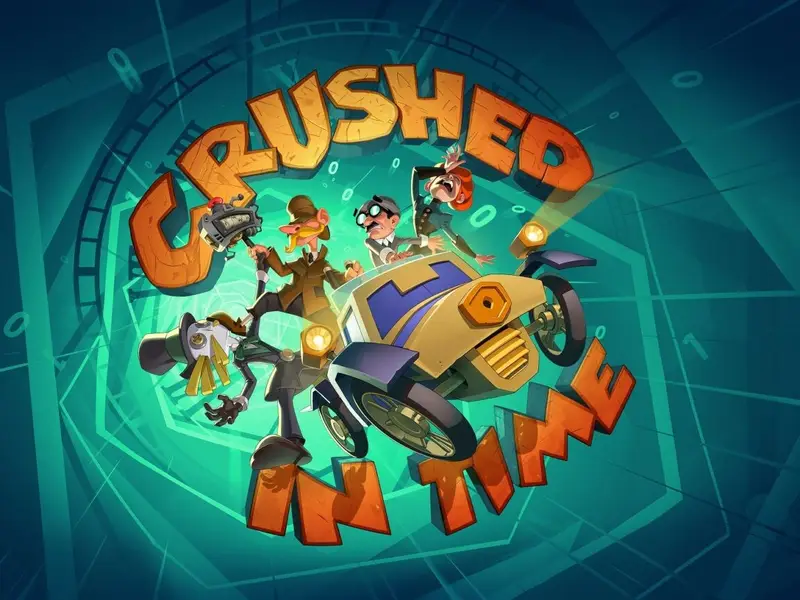
If there is one thing I need to thank the indie game scene for, it’s the renaissance that point-and-click games seem to be enjoying right now. Starting as text adventures in the 70s, they evolved over the decades with IPs like King’s Quest and the Monkey Island series, with today’s titles carrying the torch half a century later. As I suspected, Crushed In Time is a phenomenally funny and entertaining addition to the seasoned genre, with a delightfully clever multi-layered nature that permeates through all elements of the game’s design.
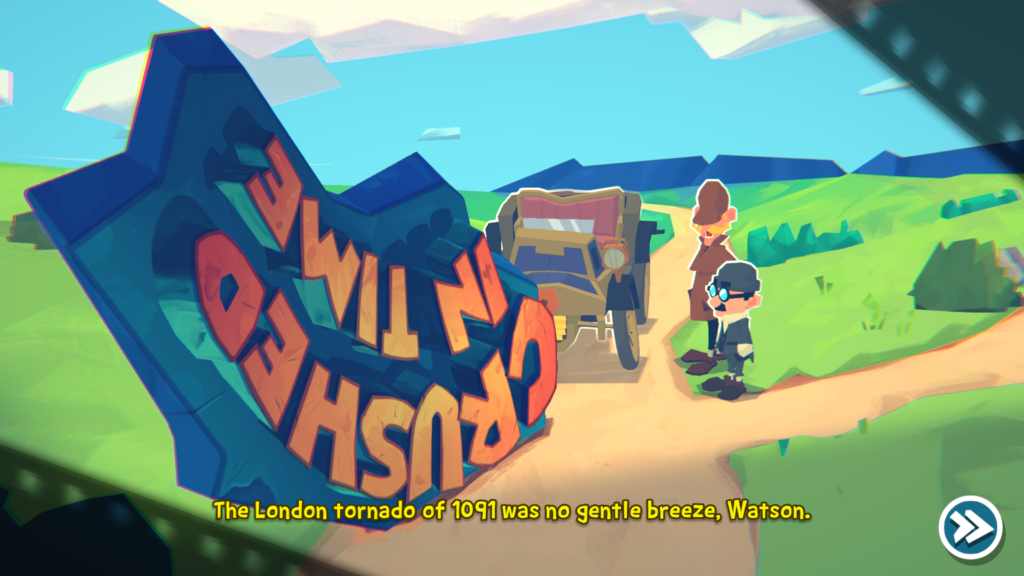
Crushed In Time is a point-and-click adventure game developed and published by Draw Me A Pixel, and stars the world’s most famous mystery-solving duo, Sherlock Holmes and Dr John Watson. Well, technically, it’s a game about the botched launch of another video game starring Sherlock Holmes and Dr Watson. The meta nature of Crushed In Time is clear from the get-go, with the game’s introduction gliding through studio halls and past developer work stations, teammates shouting to each other about a game-breaking bug and “review bombing”. It ends with the player’s camera crossing some sort of boundary and entering one of the PC monitors, with you now controlling the cursor of this video game in crisis.
Here, the game introduces you to the one and only mechanic you will use, as it has you click on the desktop icon, drag your cursor away while holding it down, and watch as you stretch the icon as if it were made of rubber. Releasing the mouse button lets go of what you are holding, causing it to shoot back into place with a satisfying bounce, and in this case, starting the game.
Crushed In Time’s opening sequence is, to me, no short of brilliant. I was amazed at how it not only quickly and easily teaches the player all they will need to know to play through the game, but it also establishes its wacky meta worldbuilding, draws the player into it, creating these amazing moments where you are suddenly reminded of the actual setup. This layered nature is there throughout Crushed In Time, and every time I had one of those little reveries, it brought a smile to my face.
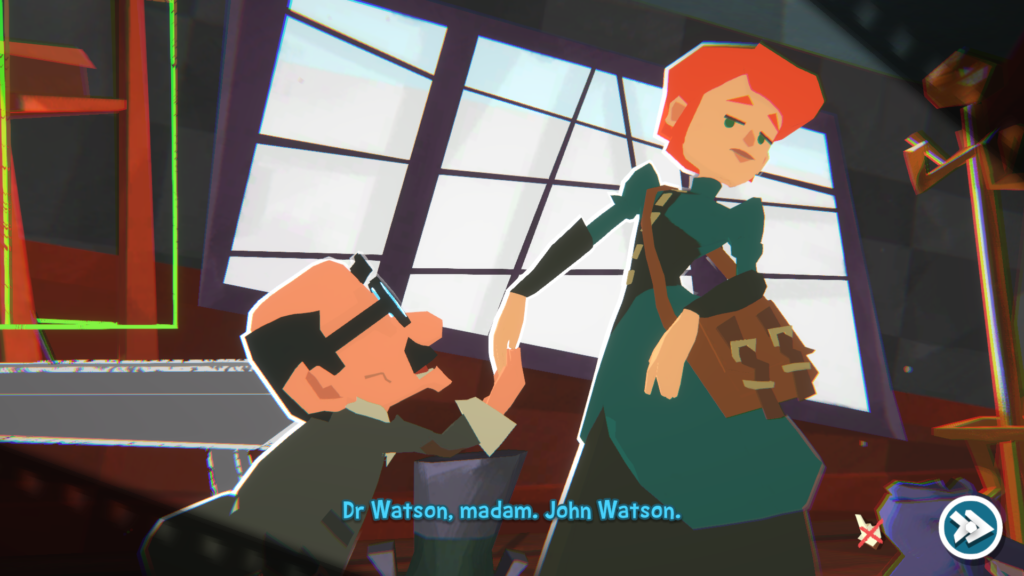
The chain of events that transpires over the course of the game starts when Dr Watson receives a letter from someone called Emma, much to his and, even more so, Sherlock’s surprise. Upon visiting the sender’s residence, they bump into a strange-looking gentleman by the name of Emmet Placeholder, who promptly makes off with Sherlock’s automobile, turning it into some sort of time machine. In their attempt to pursue the thief, Holmes and Watson build their time-travelling device, arriving in a different version of the manor. Here, they find Miss Emma Files, who, along with being at odds with gravity, does not remember sending Watson a letter. The trio set off in search of the elusive Mr Placeholder as well as answers to Miss. Files’ unique predicament on a journey that will take them across versions and platforms… I mean time and space!
What is clearly evident right from the opening cutscene is just how brilliantly written Crushed In Time is, from the greater time-hopping narrative to the numerous interactions and single lines of dialogue you’ll find throughout your playthrough. It’s a light-hearted send-up of Sherlock Holmes that clearly comes from a place of affection, depicting our deductive duo as somewhat buffonish caricatures of themselves. The two of them would bicker like an old married couple, with Sherlock’s self-obsession and snide remarks continuously winding up a weary Watson. The recurring argument over who would start the Sherlock-o-mobile (that invariably falls to you) is a perfect summation of their relationship.
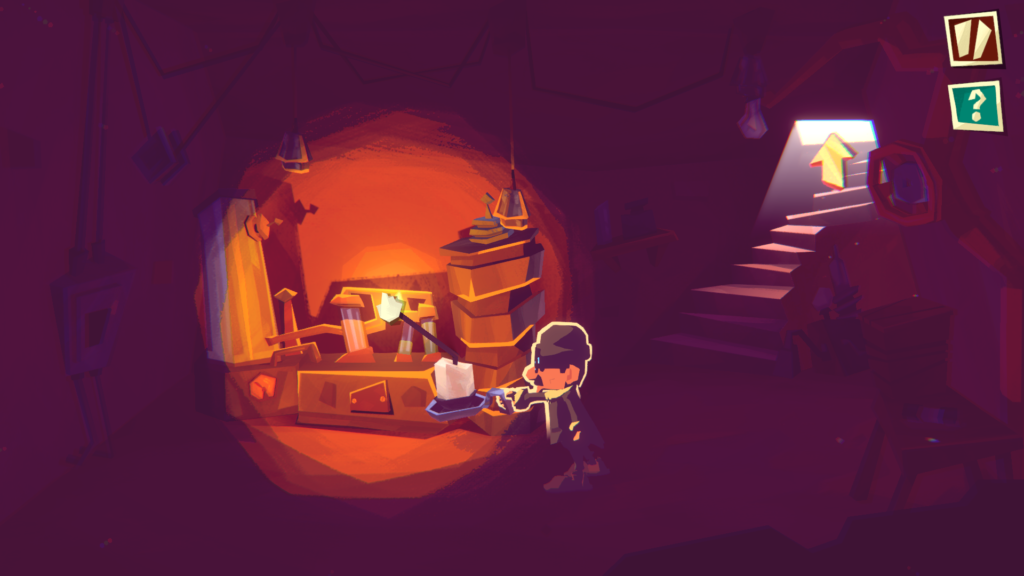
Crushed In Time is a rarity amongst video games, in that it is incredibly funny. While point-and-click games do delve into other genres, such as last year’s dark and delightful thriller The Drifter, humour has long been a cornerstone of these types of games, and this is the case with Crushed In Time. The writing is matched with brilliant voice acting from a cast of four, with Sherlock and Watson as the comedic core. A perfect example of this happens early on, when Watson hands Sherlock the mysterious letter, noting that the postman hugged him when delivering it. Sherlock remarks on how interesting that is, pauses, then explains that he will be collecting the mail going forward. It’s ridiculous, but the delivery is flawless, the pair’s air of seriousness perfectly meshing with their foolishness. There is a silliness that harkens back to English comedy monoliths like Monty Python and The Two Ronnies, and it works so well with the bizarre puzzles and imaginative mini-games as well.
To that point, and in strange contrast to the rest of the game, there is a narrative beat towards the end that genuinely had me tearing up, so good was the dialogue and performances of the voice actors. The fact that the writers and developers were able to make me feel such a drastically different emotion so deep into their light-hearted puzzle adventure game is something I won’t forget.
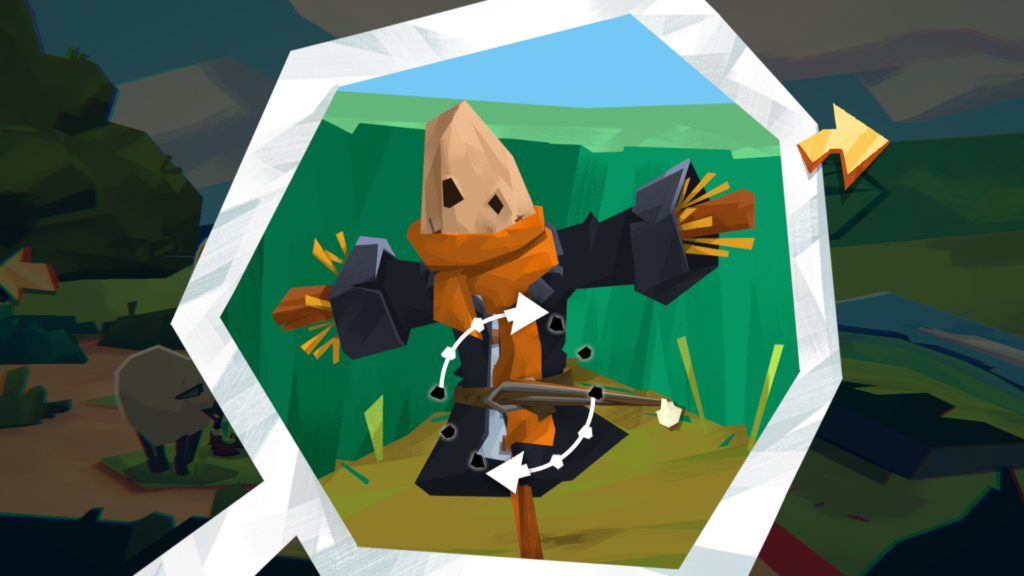
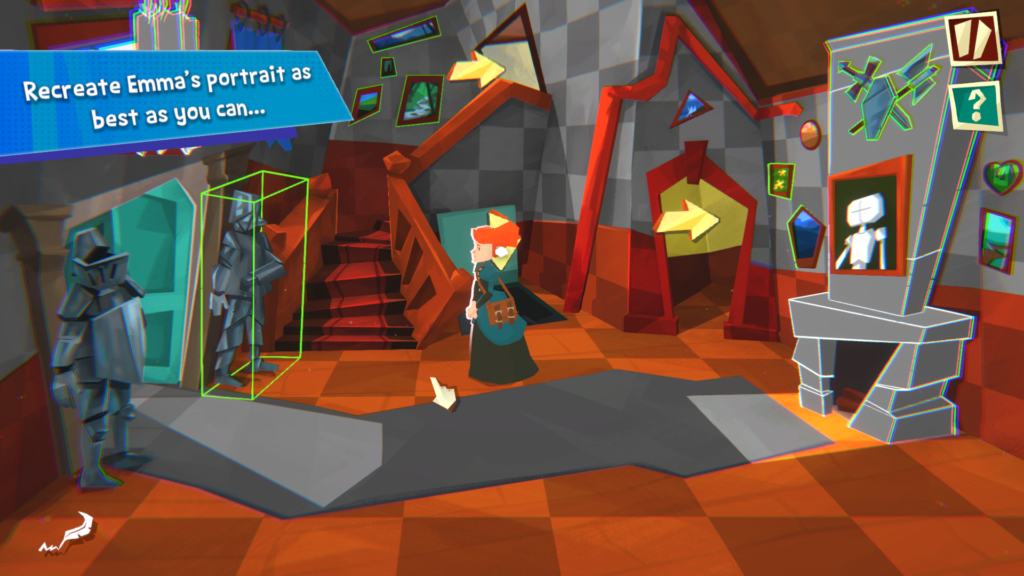
While Sherlock and Watson set off in search of answers, it is you who does the real investigation and puzzlesolving, using your ability to grab certain objects and people on screen to interact with them. You’ll stretch them to launch them in the opposite direction, spin them to turn taps and valves, pull one object to touch another, and many more ways you’ll discover. The game is paced incredibly well, with one puzzle being tackled at a time, with clear objective tracking in the pause menu, as well as Crushed In Time’s hint system. Puzzles have that same esoteric nature that point-and-click games are known for, fitting into the weird setting, but also never feeling obtuse or fiddly. There are no items to store in an inventory; everything you need is in the environment, with arrows to navigate between different areas or rooms.
I could use any example of a puzzle from Crushed In Time, and it would sound like some sort of fever dream, but you are never given too many options to make finding the solution feel impossible, or something you would stumble across by random chance.
I loved all of the puzzles and challenges the game throws at you, revelling in the brief fanfare you get for succeeding, and while I never ended up using the hint system during my playthrough, I could see some people needing a helping hand. Your goal is always clear, but the route to reach it never is. There is also something strangely enjoyable about moving the cast by pinching part of them and letting go, much to their bewilderment. The way the characters are unaware of your presence and actions adds to the game’s meta-ness, your hand-like cursor taking on an almost god-like role, reminding me of the hours I played god-sim Black & White.
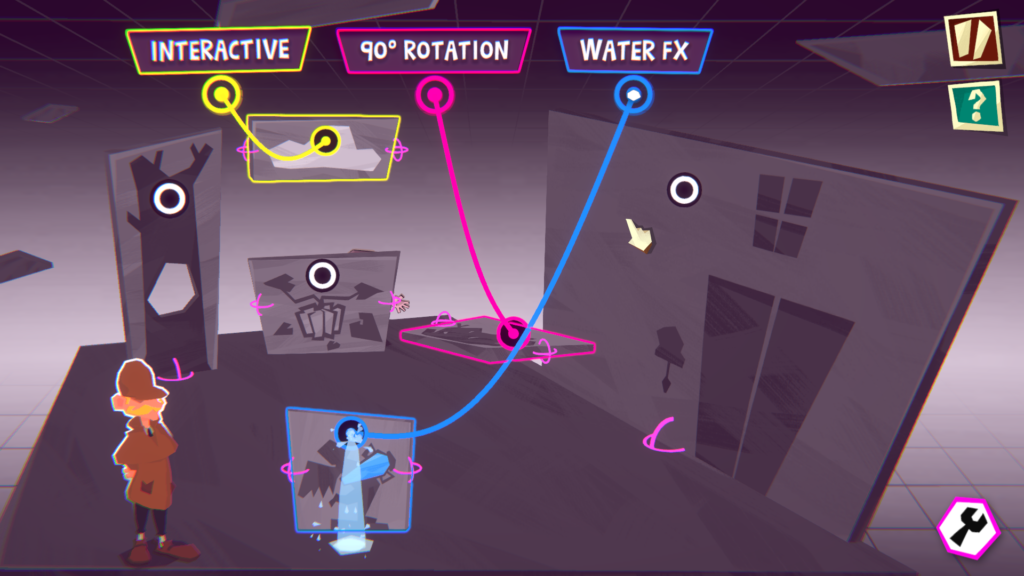
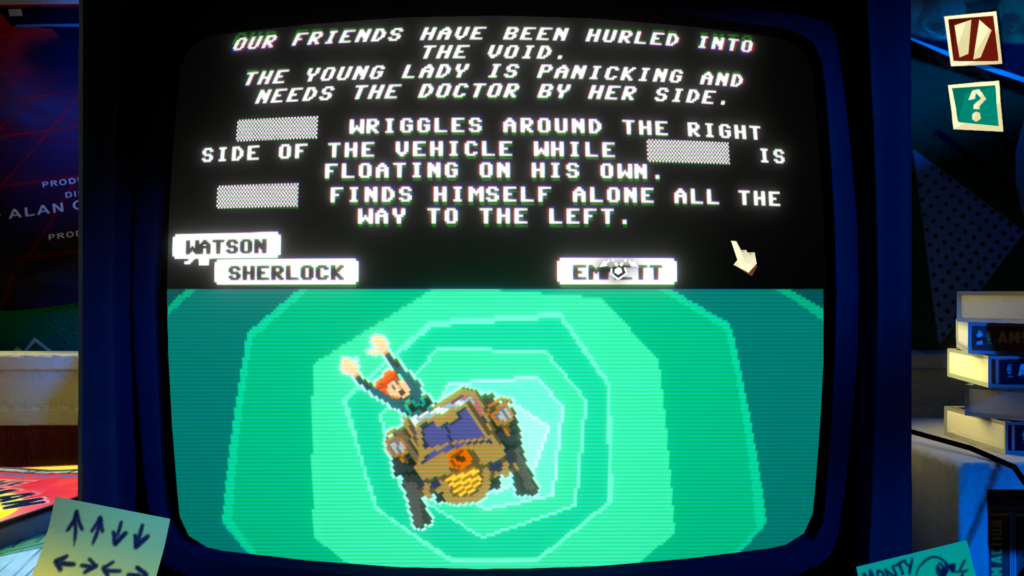
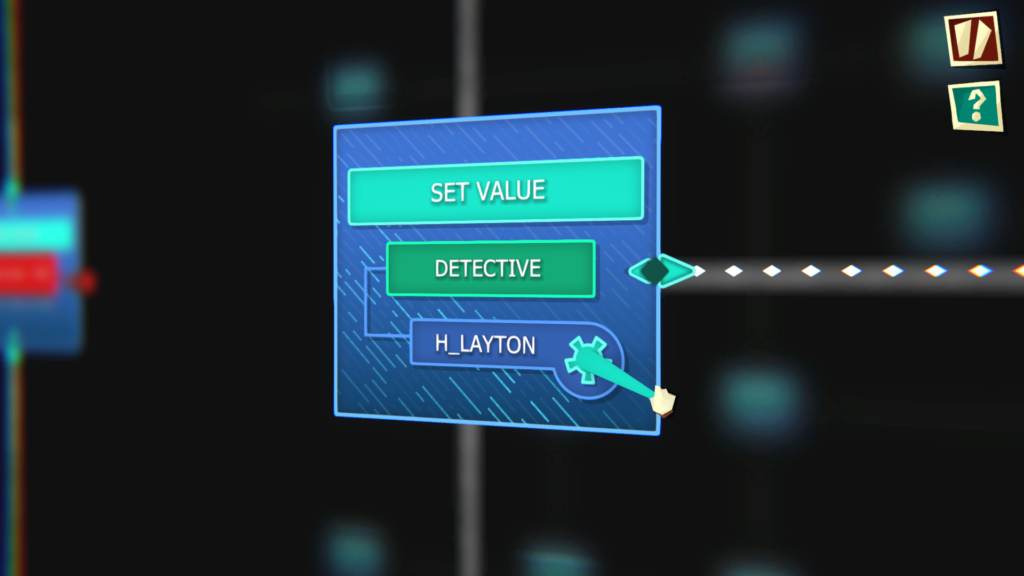
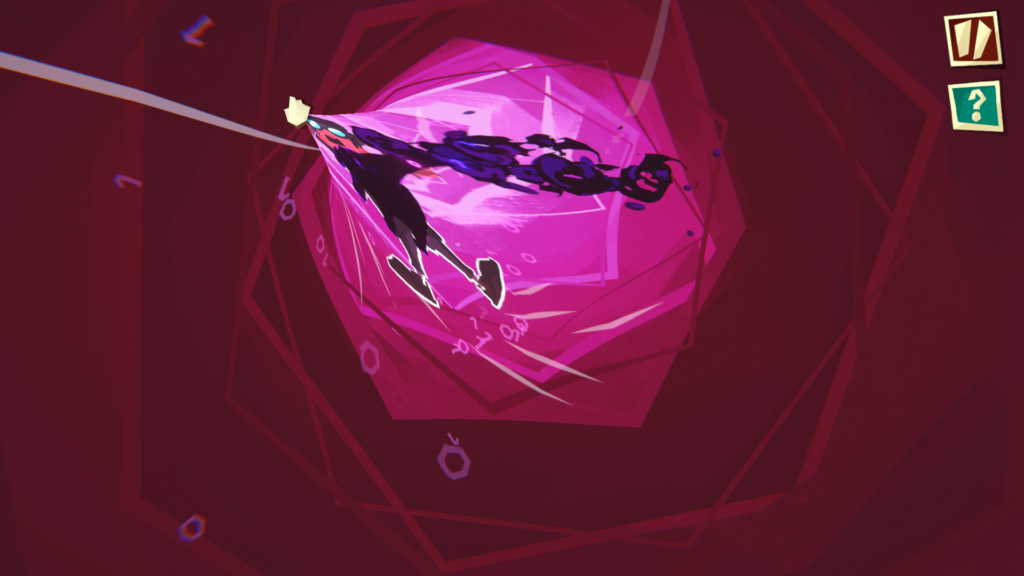
Having our chaotic crew visit previous versions of the game they are part of as a form of time travel, frankly, genius. Seeing places only partly assembled, with hitboxes visible, missing textures, even going in the back end and messing around with code to reach your goals. It gets a whole lot weirder, and I won’t spoil the surprises, but one thing I must highlight is the fantastic mini-games you’ll encounter, many of which are viewed through different gameplay styles and mediums. They are a great addition that break up the flow, mixing in text-based adventure, turn-based RPG mechanics, and even a 2D platforming sequence in the most unlikely of places.
All of this is presented with beautifully rendered 3D environments and character models viewed from a 2D perspective, giving every scene a real sense of depth. The art direction is striking and almost surrealist, with its lopsided doors and wonky architecture, broad colour palette and lack of outlines and borders. It matches the silliness of Crushed In Time’s narrative and gameplay, and I adored its cartoonish animations and charming character designs. The star of the show, though, is how good the stretch and pinch is conveyed; how it warps the screen, only to settle back into place with a jelly-like wobble. The whole game is carried by a fully orchestrated soundtrack that reminded me of the murder mystery shows I grew up watching with my parents, an equal blend of whimsy and mystery.
Final Thoughts
Looking at all of the evidence, I don’t think it’s a stretch to say that Crushed In Time is one of the best point-and-click adventure games, ever. I was blown away by the level of writing and humour, thrilled with how well implemented and thought out the pinch and stretch mechanic was, and left with a feeling that I had just finished the first entry in a beloved future franchise. Marvellously meta, wildly imaginative, and incredibly polished, Crushed In Time is a game that will stand the Beta test of time.

Crushed In Time is available now on PC via Steam.
Crushed In Time was reviewed on PC with a mouse.
We would like to thank Draw Me A Pixel for providing a review key.
Will you be picking up Crushed In Time? What are your favourite point-and-click adventure games? Let us know in the comments below, and join the Gamer Social Club Discord to chat about your favourite games, play in community game nights, take part in giveaways, and more!