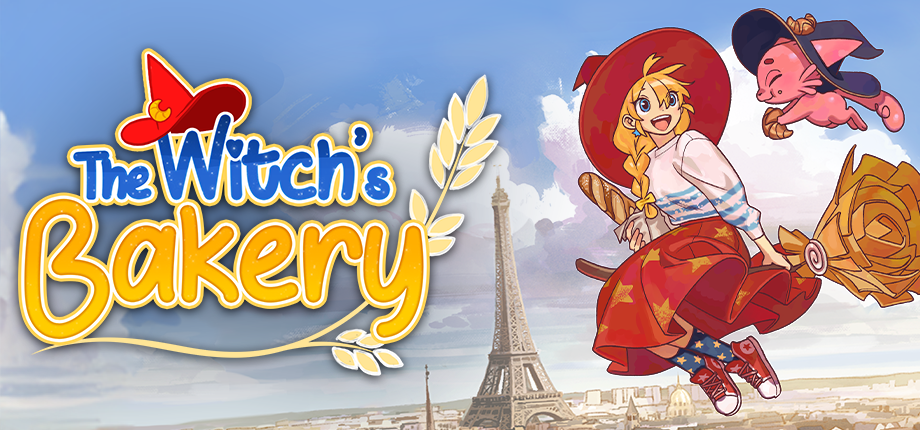
When I first saw the trailer for Witch’s Bakery, I already knew I wanted to play it. If you are at all a fan of cozy games, cooking games, or Studio Ghibli’s anime vibes, you’ll feel the same way I do. What I didn’t fully expect or think about before playing the game was what kind of witch my character would be and how it would impact the narrative of Witch’s Bakery. I also had no idea it would also have the relationship-building, calendar, and time/energy management systems the Persona series popularized. This was a fun surprise!
A Witch After My Own Heart
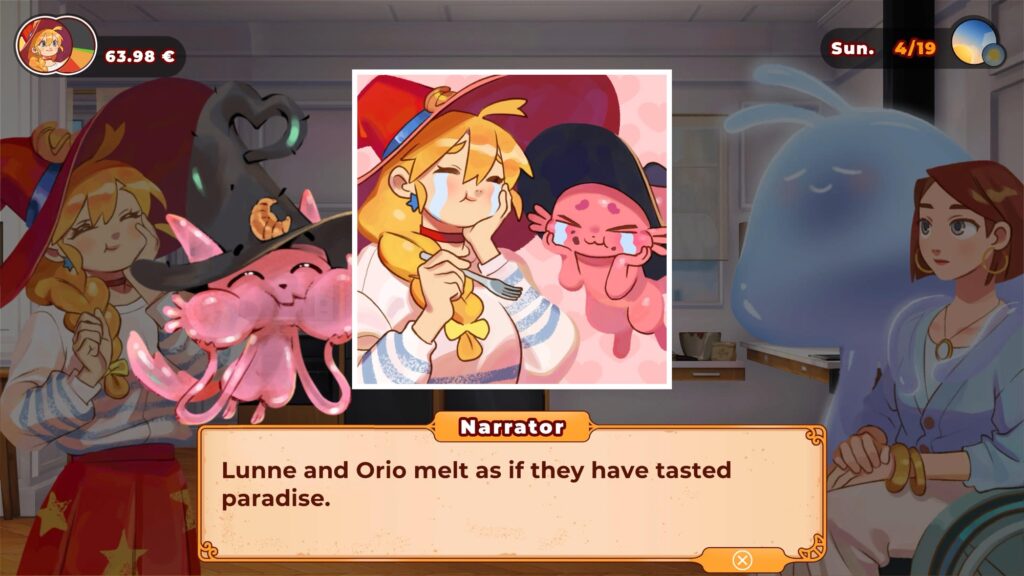
In Witch’s Bakery, you play as Lunne and her trusty associate Orio. Lunne is a Heart mage who specializes in empathy, listening, and communicating with others. Being in tune with the Voice of the Heart, one of the three Voices of Magic (the other two are Voice of Elements and Voice of Cosmos), Lunne can interact with many people and potentially help them through her magic as well as with her baked goods!
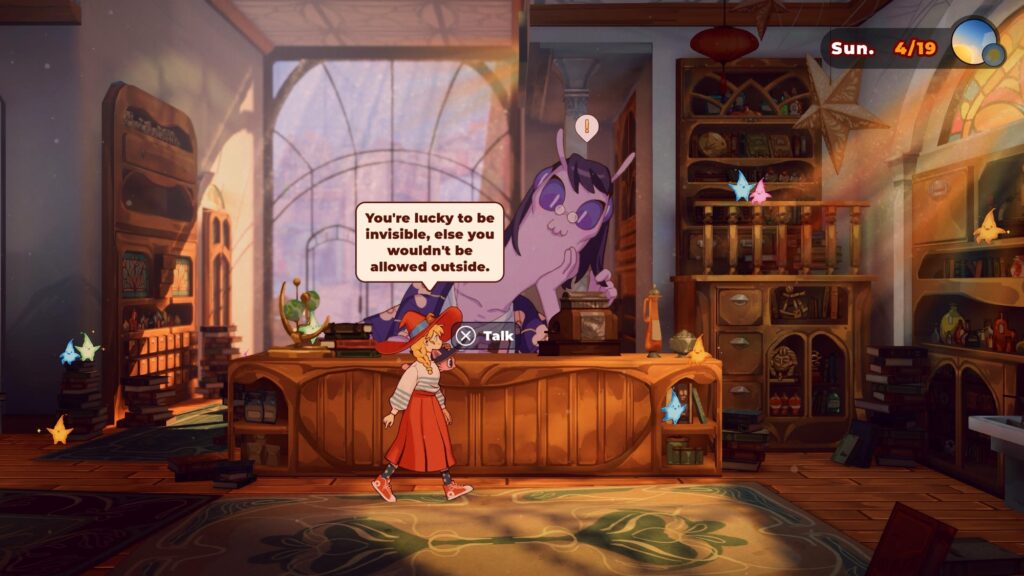
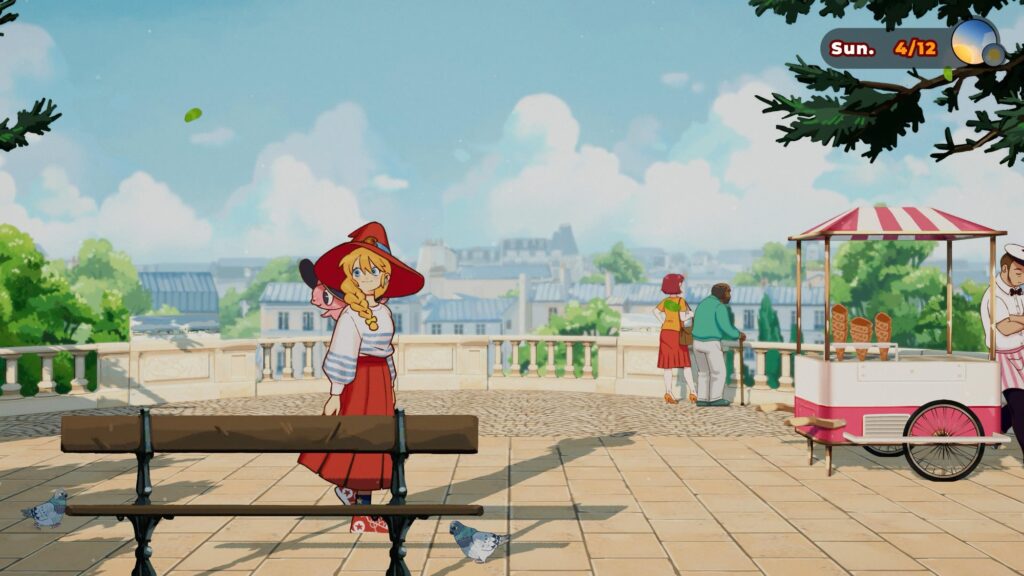
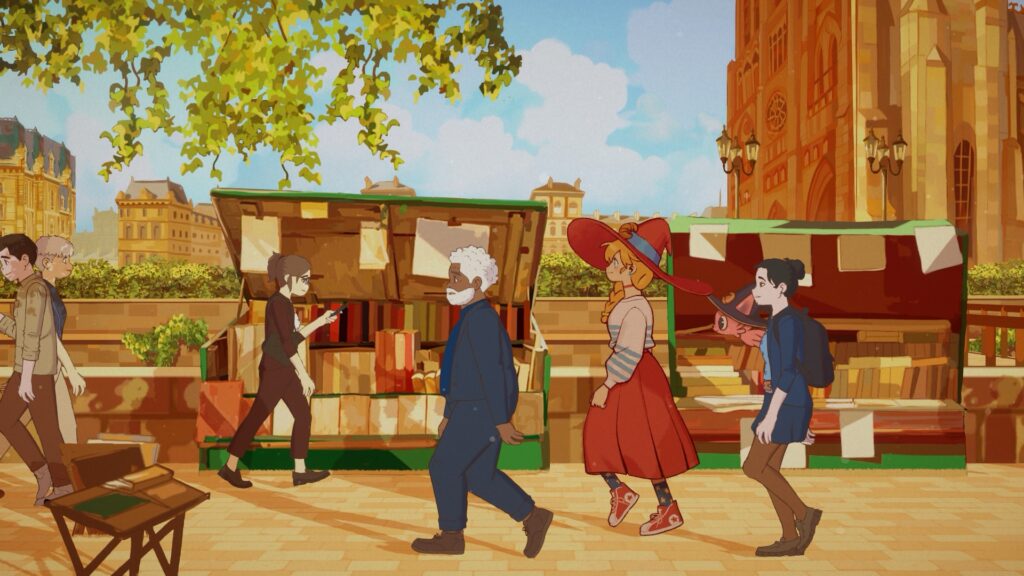
While Witch’s Bakery has a high emphasis on being a cozy cooking-sim game (it does have the word “bakery” in its title after all), Witch’s Bakery is very much a narrative-driven game, focused on interacting with customers, learning about them, and building relationships. The lore of this fictional, magical version of Paris may not be as deep as a fully fleshed-out epic fantasy RPG, but the characters and setting have real substance. The dialogue between the main characters is interesting, and I found reading through it, learning their hopes, dreams, and regrets, well written. I even found myself reading through the game’s built-in Codex to learn more about the Magic Academy, and the hilariously abbreviated institute called “The International Rectorate of Mages and the Arise”, also known as IRMA, and how the game adapts itself within Paris using real-life locations like Notre-Dame.
Look After Yourself And Others
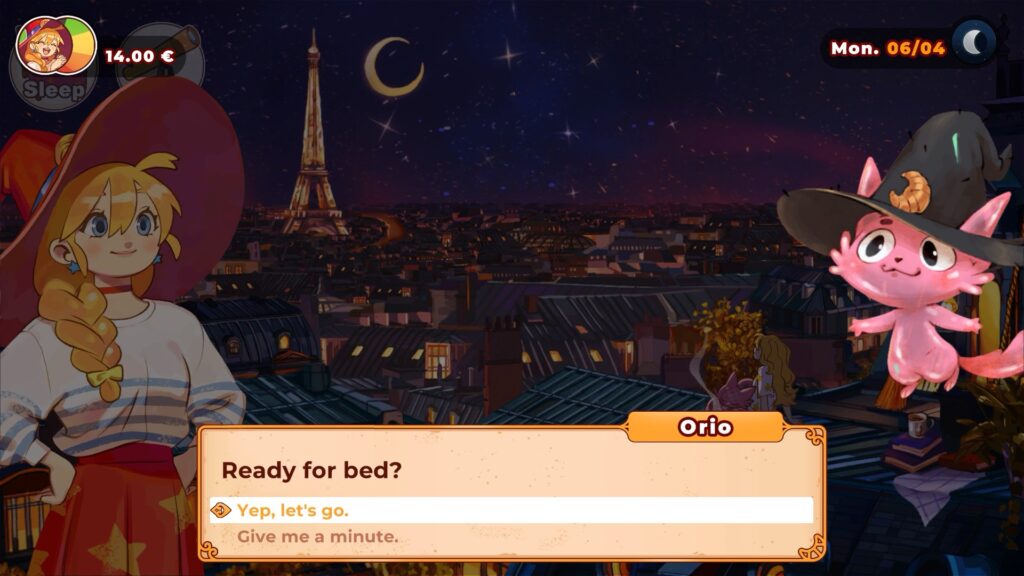
As a Heart Witch, our main goal is to serve delicious baked goods to our customers while we help them in various ways. However, it’s just as important to look after ourselves. In Witch’s Bakery, everything is separated into three main phases: Daytime, Evening, and Night, with certain activities only being available during certain times of day and certain days of the month. Earlier, I compared this to Persona’s calendar system. During the day, Lunne works at the bakery, doing baking mini-games and magic mini-games to help customers with their emotional struggles. In the evening, Lunne explores Paris using her Google Maps-like app, invites friends using their version of WhatsApp (by the way, I love games that make pseudo-versions of existing apps), builds relationships, progresses the narrative, or watches a movie, goes out to eat, or relaxes. At night, Lunne can improve her magic and her baked goods in her atelier using a detailed cooking mini-game.
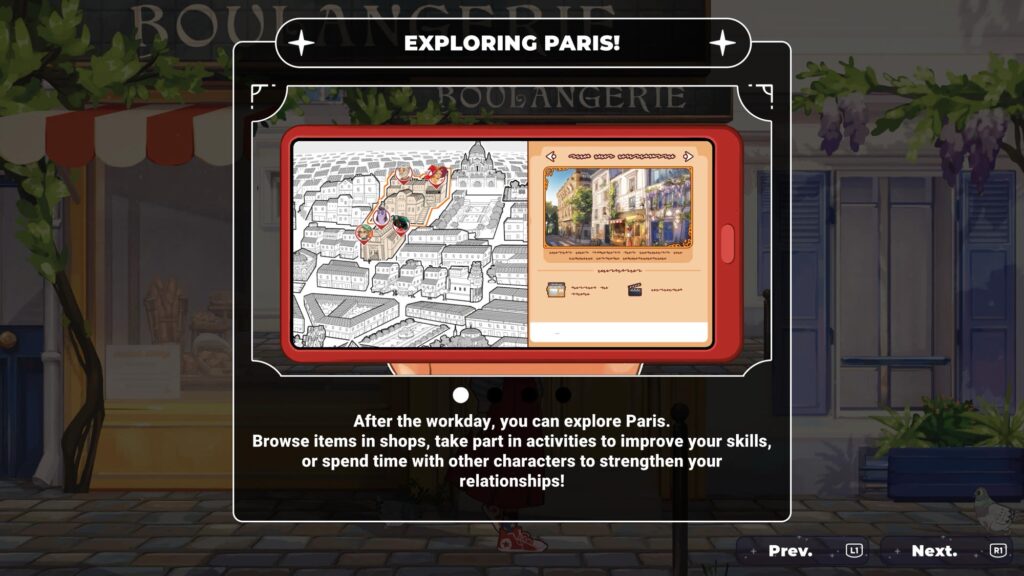
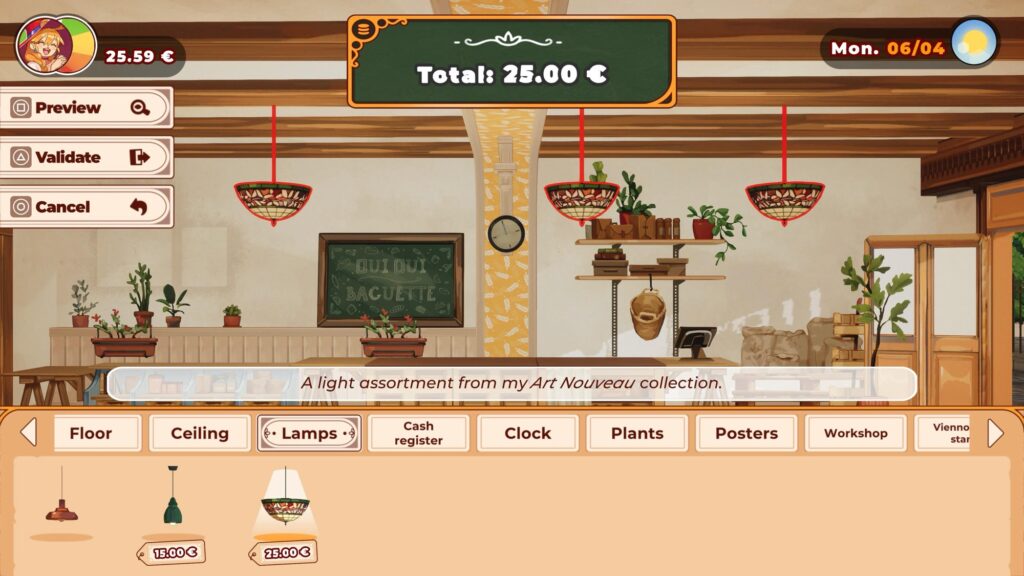
All this takes time and energy, and you can only choose one activity at a time, forcing you to prioritize based on what and who you want to focus on. Balancing your time isn’t the only thing you need to worry about; you also need to make sure you have the energy to tackle the day. You can’t help others if you can’t even help yourself, right? While my RPG-brain may want to read that one book that will “level up” my magic, or earn more money per baguette if I just spend more time baking in my atelier, I need to make sure Lunne is mentally and emotionally prepared to tackle the day. I feel that Sunny Lab’s choice to adapt this gameplay mechanic deeply plays into the importance of self-care and makes sense for Witch’s Bakery. I’m not sure if that is what they were going for, or if I’m reading too much into it, but it makes sense to me.
The Way To A Person’s Heart Is Through Their Stomach
Baking is the perfect way to connect with others and share joy through delicious treats. Not only that, baking is considered therapeutic for the soul, offering comfort and happiness through the process and in sharing the final product with others. This plays perfectly with the baking in Witch’s Bakery, which takes up a third of your time each in-game day. While you must manage your dough stock, create a menu, and serve customers, the overall experience is relaxed and not overly challenging. As you gain friends to help you along the way, you’ll also improve your magic, which will increase customer patience, how quickly Orio helps you with baking, and your ability to assist customers with their emotions.
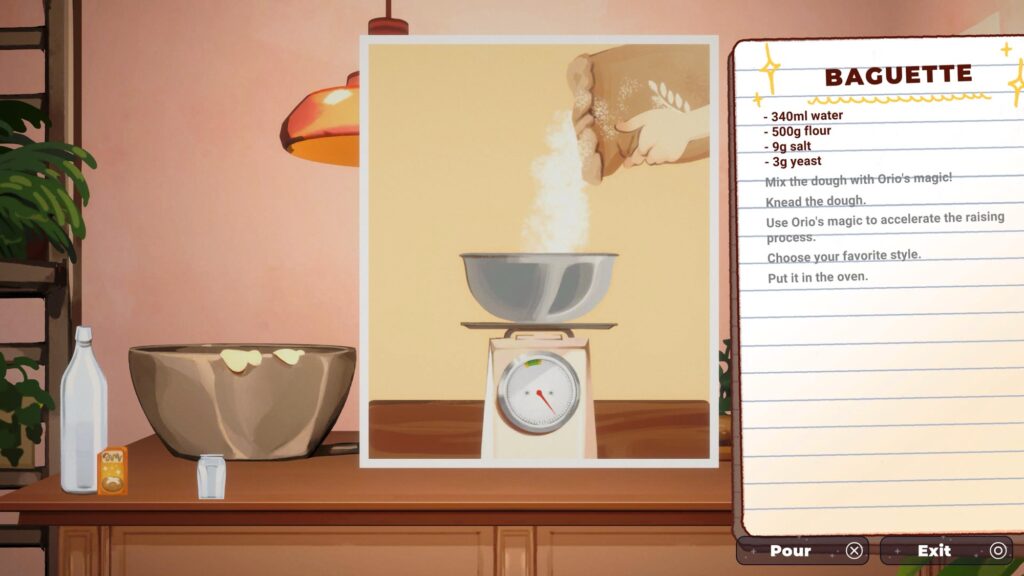
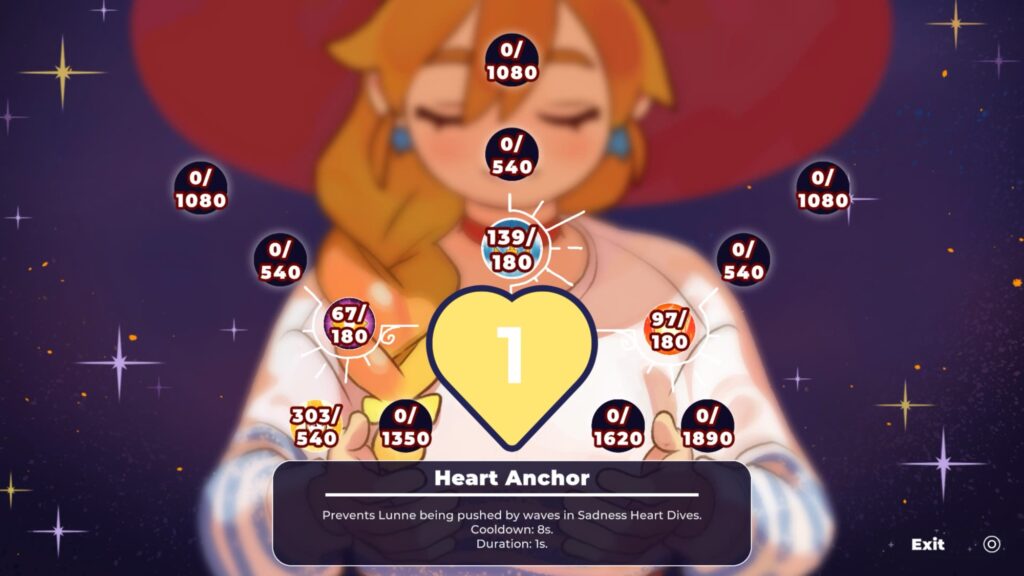
This aspect of the Witch’s Bakery is low-stress and plays into the cozy genre of the game. The controls are simple yet intuitive, especially on a controller (I played on a PS5 DualSense), and the mini-games need no explanation. Aside from the usual baking and serving customers, you’ll need to assist customers as a Heart Witch, quickly helping them find their hearts. Each mini maze-puzzle features obstacles themed around an emotion, such as avoiding fire for anger or water waves for sadness. It’s quick and simple, offering a break from the monotony of serving customers and baking bread.
The Heart Palace

Solving a person’s problems isn’t easy. It takes several days, and going through one’s emotions is like a huge palace of puzzles, filled with friction and obstacles along the way. As you meet some of the major NPCs for each chapter, you’ll need to enter their Heart Palace and slowly piece together what is troubling them. This portion of Witch’s Bakery feels like a dungeon you need to complete. Although much like the rest of the game, it’s ultimately a slow-paced, cozy experience, even while you’re trying to sneak past the Torment creatures.
While I found the puzzles fun, interesting, and slightly challenging, they were the weakest part of the game for me. I loved interacting with the beautifully hand-drawn palaces and meeting the personification of each emotion; however, it still felt slow. Throughout the game, Lunne is always walking. During the day, while baking bread and trying to manage the long line of customers, she’s walking. Strolling through Paris casually makes sense to me, but at the same time, being slow in a 2D style of game where you’re constantly walking back and forth every day doesn’t work well in action. Maybe it’s meant to be slow, like “slow and steady wins the race”. However, in Heart Palace, I wanted a slight sense of urgency, a slight change of pace.
Love Is In The Oven
I am pretty sure that watching a trailer of Witch’s Bakery is enough to tell you whether or not you want to play this game. It’s a game that not only lives up to its first impression but exceeds it. Witch’s Bakery isn’t just a cozy baking sim; it’s a game filled with heart and purpose. Filled with well-written stories that you want to read in a world that you want to experience. The art style, atmosphere, and gameplay mechanics all share a singular focus: soothing your soul. Perhaps I’m over-romanticizing Sunny Lab’s thought process while making this game, but my experience with Witch’s Bakery is simple for me to describe: it made me happy. <3

The Witch’s Bakery is out now on PC, PlayStation 5, XBOX Series X/S, Nintendo Switch, and Switch 2.
The game was reviewed on PlayStation 5 Pro with a controller.
We would like to thank Sunny Lab for providing a review code.
Are you going to pick up The Witch’s Bakery? What have been some of your favourite cosy games of 2026? Let us know in the comments below, and join the Gamer Social Club Discord to chat about your favourite games, play in community game nights, take part in giveaways, and more!