
As the games industry continues to grapple with rising costs, shifting player habits, and increasing pressure on developers, studios like Secret Sauce are carving out new ways to support indie and AA teams. Alongside marketing and publishing support, the company’s latest venture, Weekend Games, is betting on something increasingly appealing to both players and developers alike: smaller, tightly focused experiences designed to be completed in a weekend.
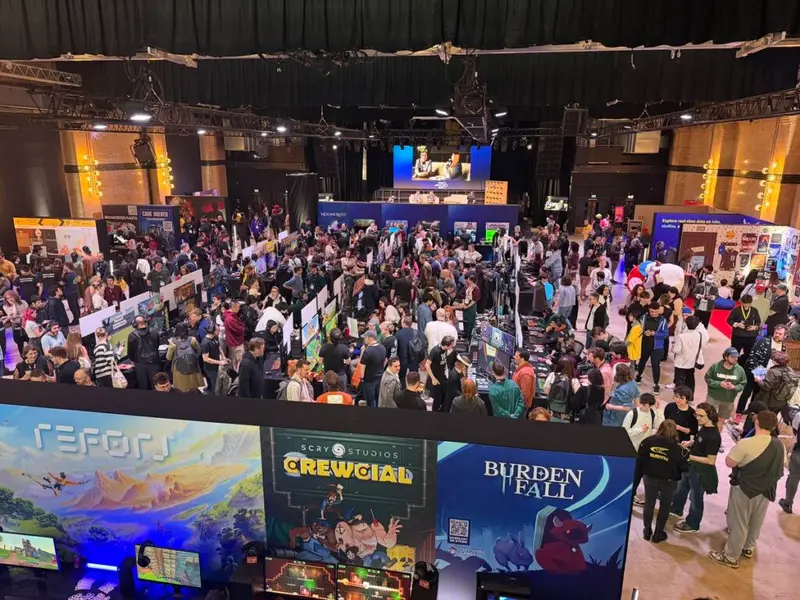
Back in April, several members of the GSC team attended New Game Plus as part of the London Games Festival, a two-day showcase featuring more than 90 playable demos from developers around the world. It was there that we first met members of Secret Sauce, before later sitting down with co-founder Sophie to discuss the company’s hands-on approach to supporting studios, the philosophy behind Weekend Games, and why concise, finishable games may be more important now than ever.
When Secret Sauce was founded in 2024, the company didn’t position itself as a traditional marketing agency. Instead, co-founders Sophie Atkin and George Willard described it as a “visibility agency”, one focused on helping indie and AA developers get their games and studios in front of the right people. That meant everything from business development and studio rebranding to connecting teams with publishers and supporting wider marketing strategy.
Over time, however, the team found itself increasingly drawn toward the marketing side of that work, evolving into a more hands-on games marketing agency while still maintaining the broader support structure that defined Secret Sauce from the beginning. “We’ve never been a typical marketing agency,” Sophie explained. “We have been full service from strategy through to execution.”
Many AA and indie studios simply do not have the time, resources, or expertise to handle the business-oriented side of releasing a game. Secret Sauce aims to handle those responsibilities so that these teams can focus on what they do best.
“A developer’s job is to be a game developer… marketing is a whole other job for a reason.”
It’s no secret that the games industry has been in a tumultuous place for some time now. Layoffs, studio closures, rising development costs, and increasingly crowded storefronts have made it harder than ever for indie and AA teams to secure funding, attract visibility, or simply survive long enough to ship their games.
For many smaller studios, even creating a strong game is no longer enough on its own. Marketing, business development, publisher outreach, and long-term strategy have all become essential parts of getting a project over the finish line; responsibilities that often fall onto already overstretched developers.
Sophie argued that many studios do not necessarily need a traditional publishing deal, but instead need experienced support in areas outside development itself. “You don’t necessarily need a publisher… You just need one or two people in marketing to get you over the line.”
“The market has shifted massively, and I think publishers are still incredibly important, otherwise we also wouldn’t be doing it. But it depends on the project… maybe it’s your first title and the goal isn’t to make millions, but it’s to make a decent profit to fund your next game and learn from the experience.”
Recognising these shifting pressures, Secret Sauce’s response has not been to step away from publishing entirely, but to approach it differently through their new arm, Weekend Games.

Launched last year, Weekend Games is the publishing arm of Secret Sauce, focused on smaller, tightly designed titles that can be finished in a matter of hours or over a weekend, a philosophy that also gives the label its name. Rather than operating as a traditional publisher, Weekend Games is built around the idea of supporting concise, self-contained experiences that prioritise accessibility, clarity of design, and player time.
Weekend Games emerges from the same idea that not every project requires a traditional publishing structure, but that many still benefit from support in bringing a tightly scoped vision to market.
So what makes a Weekend Game? For Secret Sauce, there are three key criteria: playtime, visual identity, and progression. As Sophie explained, these titles are designed to be finished in a short window, with “under 15 hours of gameplay… or about 3 to 15 hours” forming the general target range. Beyond scope, the team places strong emphasis on presentation.”We really like a strong, punchy art style, something that feels memorable and recognisable,” she explained, pointing out how useful it was from a marketing standpoint to have an art style that players could recognise from a single screenshot.
When it comes to the third factor of progression, it’s less about incremental improvements and leveling systems for Secret Sauce and more about the journey and experiences the player has. “If you were five minutes in, you wouldn’t be able to do what you did like an hour into the game,” Sophie explained. “You would have learned different skills or tools, and there’s a kind of mental progression.” Despite the restrictions brought about by a shorter playtime, the satisfaction we enjoy from progressing in a video game is no less important for smaller titles.
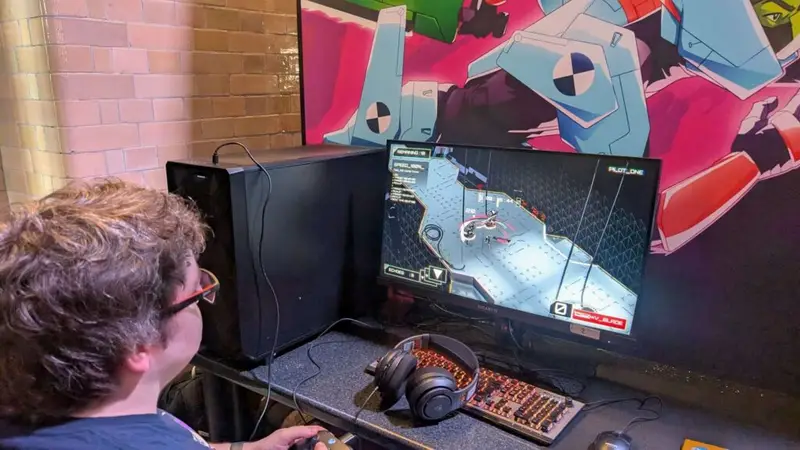
We already have a couple of Weekend Games examples, beginning with the isometric speedrunning action-platformer Echobreaker. Challenging players to navigate each level as quickly as possible while dispatching enemies, avoiding traps, and finding shortcuts, Echobreaker is a strong example of the design philosophy Sophie described. Its short, tightly structured levels are built with speed and replayability in mind, with features such as leaderboards encouraging both competition and self-improvement.
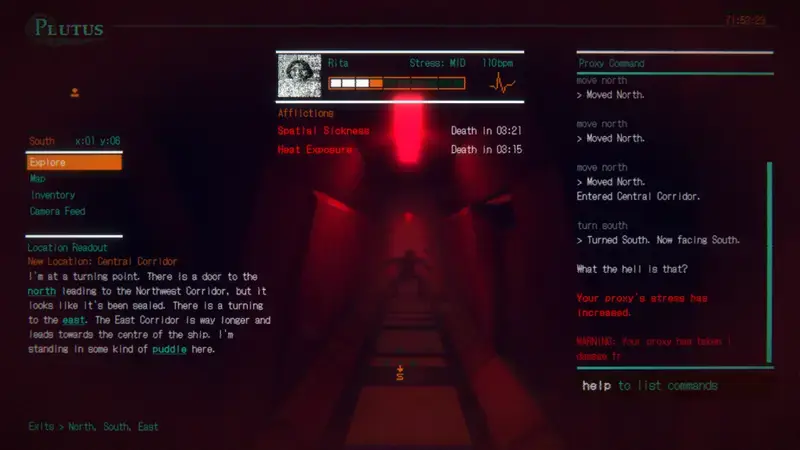
The other game, REMOTE CONTROL, offers a very different experience, highlighting the breadth of what can fall under the Weekend Games umbrella. It is a first-person typing horror game with a balance of humour and tension, where players control “Proxies” through a terminal interface to explore a derelict spaceship adrift in space and uncover what happened to its crew. REMOTE CONTROL leans into a different side of the philosophy, with limited tools and constrained interactions creating a more experimental structure, where progression comes less from traditional systems and more from learning how to interpret and survive its rules.
Both Echobreaker and REMOTE CONTROL reflect a growing appetite for smaller, more focused games, not as a stylistic choice, but as a practical response to how the industry itself is changing.
With this approach, Secret Sauce hopes to support developers in keeping scope manageable and reduce risk, helping them brave the current industry climate that has made finishable titles more viable and attractive to both developers and gamers.
Shorter games should lead to shorter development cycles, helping mitigate potential issues like scope creep and reducing costs. The way Sophie sees it, “having a 12-18 month cycle to make a great game is healthy for a studio.” This also works for consumers who must juggle life’s demands with their hobby, or who want a smaller experience to play alongside their main game. More players than ever are playing live service and ongoing titles like Fortnite, COD Warzone, and Overwatch, and the average spend on new games sold at full price has dropped. This puts gamers in a tough place, deciding if they can afford/have the time to play a game. By demanding less of your time and being sold at a lower price, Weekend Games meets players where they are, all while still offering a complete experience. “If you can finish a game and feel like you’ve had your time,” Sophie points out, “that’s powerful.”
Whether Weekend Games represents a growing trend or simply a renewed appreciation for smaller, focused experiences, it reflects an industry and audience that are both changing. As development costs rise and players find themselves with less free time and more games competing for their attention than ever before, concise, finishable titles are becoming increasingly appealing.
That does not mean sprawling RPGs, live service games, or hundred-hour adventures are disappearing anytime soon, but it does suggest that there is still value in games that know exactly what they want to be, respect the player’s time, and leave a lasting impression without demanding months of commitment. In many ways, Weekend Games feels less like a rejection of modern gaming trends and more like a response to them; one shaped as much by practicality as passion.
As Sophie put it during our conversation, “Good games aren’t just the games you play forever, they’re the games that stay with you forever.”
I would like to thank Sophie Atkin for taking the time to chat with me about Secret Sauce and Weekend Games. You can check out the demos for Echobreaker and REMOTE CONTROL in Issue #15 of the GSC Demo Disc, as well as other games’ demos that were part of New Game Plus.
What are your thoughts on “weekend games”? Do you think Secret Sauce have the right idea? Let us know in the comments below, and join the Gamer Social Club Discord to chat about your favourite games, play in community game nights, take part in giveaways, and more!