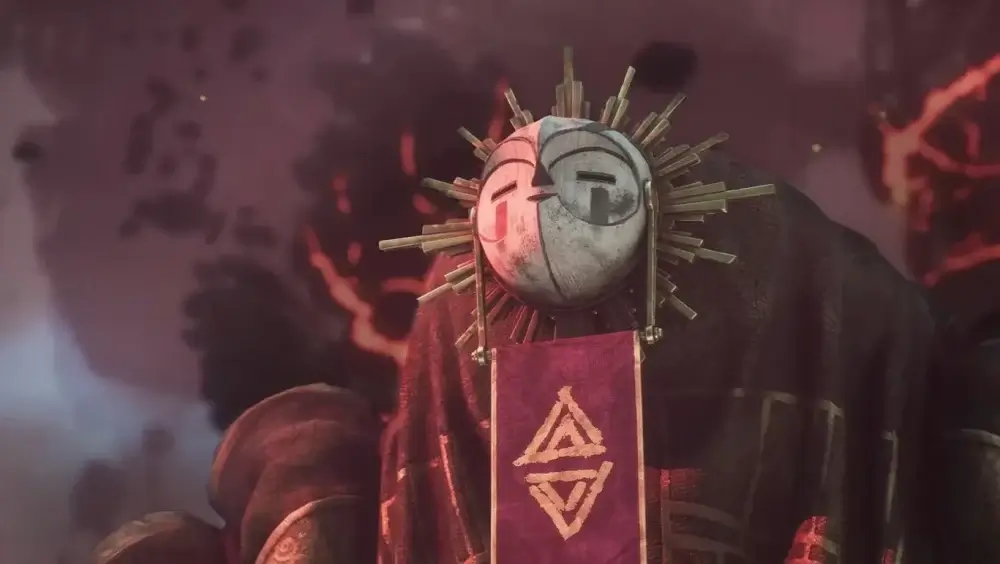

Dragon Age: The Veilguard is almost here and my mind isn’t in a place you might think.
I was scrolling through social media and stumbled upon an article some years back, crazy enough, it has stuck with me to this day. While normal people will lay in bed at night thinking about the fall of the Roman Empire, I am thinking about the term “Bioware Magic” and what it means.

It means something different to everyone. I personally have always had my own opinion on what it is. Unfortunately, inside of game development, it has a completely different meaning.
Back in January of 2022, Ex-Bioware Producer Mike Darrah gave us some insight in to what Bioware magic means internally at the studio.
To summarize this video, Bioware Magic is a “shit process”. He goes on to explain “it’s putting a name on something that’s saying don’t worry, don’t freak out, because we know that at a future date it’s all gonna get faster and it’s all gonna work out but the reality is, is that working out, that’s where crunch comes from and that’s where delayed games come from.”
The process is essentially hoping things will look up, but in reality, it won’t without the hard work of employees. The article I linked at the beginning was chock full of quotes from the development team expressing just how hard the development of Anthem was on everyone.
To quote Jason Schreier’s article, “Dozens of developers, many of them decade-long veterans, have left BioWare over the past two years. Some who have worked at BioWare’s longest-running office in Edmonton talk about depression and anxiety. Many say they or their co-workers had to take “stress leave”-a doctor-mandated period of weeks or even months worth of vacation for their mental health.”
I found a tweet from a former Bioware Developer who also commented on the situation pointing out “Depression and anxiety are an epidemic within Bioware.”.
Now that I have given you a glimpse of what is at the tip of the iceberg, lets talk Dragon Age: The Veilguard. Like I stated at the start of this article, its been in development hell since 2015. To say following its development has been a rollercoaster ride is an understatement. The fact that it exists is a miracle.
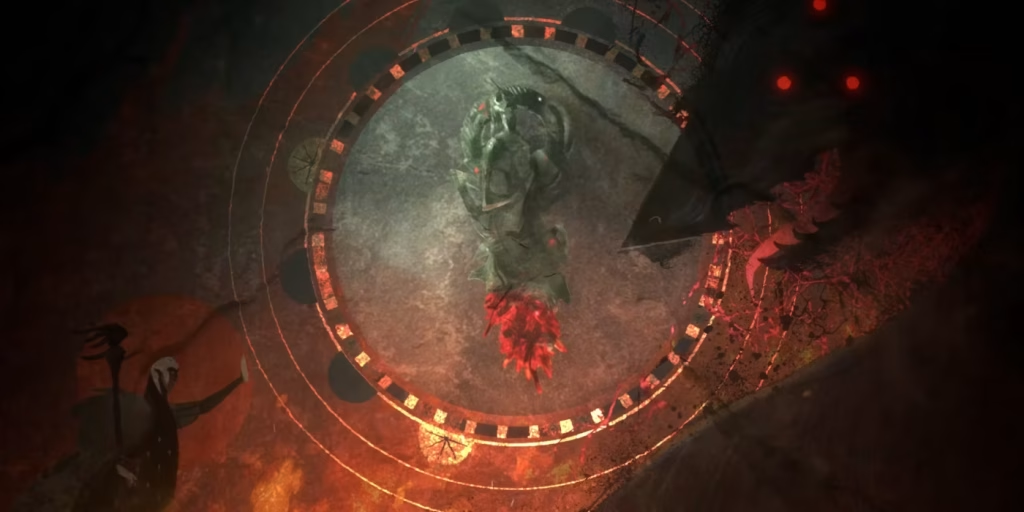
In 2017 the game was even cancelled. This gutted fans. However, the sting didn’t last long because they revived it in 2018. The news came as a double edged sword when it was announced the game would be multiplayer. It was even described by EA as “Anthem with Dragons”, but not only the fans were upset by this, but developers started to leave the project as well. After Jedi Fallen Order’s success and the unfortunate failure of Anthem, this convinced EA to back down from pursuing multiplayer and allowed the developers to make a single player only experience.
It was reported back in 2022 that the game was being reworked and had only made it as far as “having the blueprints laid out”. Rumors have roamed of its release being around the corner or years away since 2021.
Even this year, the hits kept coming. Bioware had been providing Game Informer with exclusive information on the game. When you visited their site you were greeted by a huge section of Dragon Age: The Veilguard content.
Unfortunately, Gamestop shut down Game Informer and all of Game Informer’s work is currently unavailable to the public. Even as I research for this article I am writing, I keep running into road blocks as there is so much info that is no longer available.
They have since shared a lot of information with different outlets (including us) on what we can expect to see from the game when it releases October 31st.
However, upon writing this, IGN has now taken Game Informer’s place and are putting out exclusive articles for Dragon Age: The Veilguard. Their first one is about this topic exactly: Dragon Age crossing the finish line after all this time.
A lot of interesting information came out of Kat Bailey’s article. She got a chance to sit down with Bioware General Manager Gary McKay, who has taken over since Casey Hudson’s departure from the studio in 2020.
Mckay told Bailey “I certainly read a lot of the same stories you did. (I would bet money he is speaking on Jason Schreier’s article) I feel like we’ve brought a little order to the chaos without stifling any creativity.”.
Now that we have covered the doom and gloom of game development and the hell Dragon Age has been through, lets talk about what Gamer Social Club thinks.

I asked everyone in the Gamer Social Club community what they thought of when they heard the phrase “Bioware Magic”. This is what they had to say…
Fraser/Fbomb – for me “Bioware Magic” is the relationships and banter between your squadmates. Mass Effect was the first time decisions I made had real consequences. Taking Grunt and Mordis on missions together knowing what Mordis had done. Having the final choice deciding if someone lives or dies for your greater good.
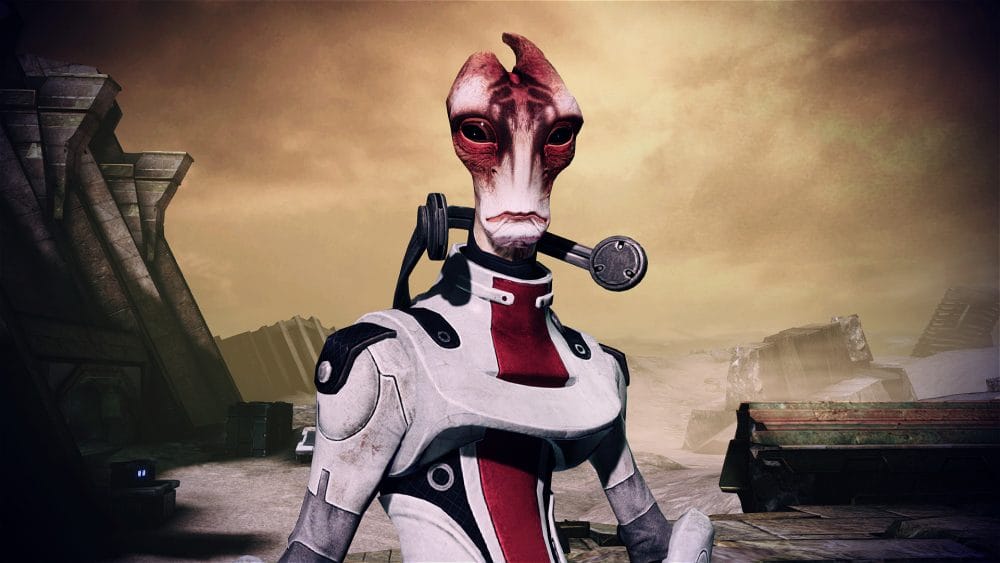
Goffey – For me they were like watching a Tarantino movie. They made exposition through companion dialogue fun. KoToR was one of the first games I didn’t mind exhausting all dialogue between my character and my crazy band of colorful characters. NPCs felt just as important and they were def just as interesting, if not more. Exposition and advancement in story to them didn’t mean just focusing on main story beats but creating characters that seem alive. Unfortunately I think they lost a lot of this when the Doctors left and other developers have taken that mantle but I’ll always have a soft spot for their games, regardless of reception. Anthem was pretty good dammit!
darkmagicalman0 – BioWare magic to me has been about the ability to enjoy the journey and bond with those with little to nothing in common. It made the idea of making friends as an adult so easy. I didn’t play mass effect until few years ago, but Playing KOTOR and Dragon Age in my teens/young adult hood made me want to have playful banter.
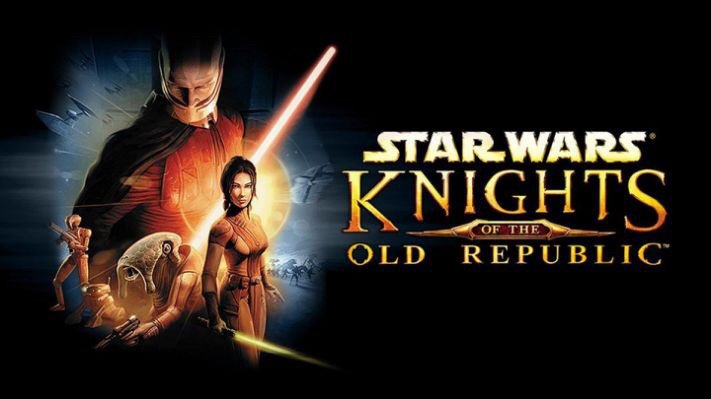
LetalisVenator – Worlds and characters so great that I revisit them often. I replay the mass effect trilogy every year and a half to two years. There’s many other games I can say I do that for. Let alone a franchise.
ONE BAD UNICORN – Well I guess my main thing about Bioware that I find magical is their ability to make so many characters that I actually like. (In their prior games anyways I haven’t played the new stuff) Because in Mass Effect every companion you meet you’re like WOW this person is a clearly a bad ass, this is the best companion, and I have to have them on my team and learn more about them! And then you meet another character down the road a bit and they are just as fleshed out and cool as the last! Which is super rare because in most games 1 or 2 companions will stand out and the rest are mid but in Bioware games they manage to put 10 different companions that are genuinely hard to choose between because I like all of them.
Takezo – Once you reach ME2, you are going to have so many “holy fuck” moments. I am currently replaying through all of Dragon Age games, and to make it more entertaining I have convinced a work colleague to give it a try too, since he never played any DA or ME games. He is currently on DA2, and now all we talk is about DA lore and the choices we both made in game. He will have a very different cannon than me, and cannot wait to see how our playthroughs will be in Veilguard. Also he is looking forward to playing ME games. For me this is “Bioware magic”.
Bioware magic to me is a bit longer winded than our write ins. Thinking back to Mass Effect and Dragon Age, you always start out amongst the ranks. Because of world ending threats, you climb the ranks because of the challenges you face. While on the surface, both franchises can look generic, it’s finding yourself thrown in to tough situations that the games start to show its uniqueness.
A lot of games that have you make decisions can be dry. For example, with other games you may walk in to a bar where two people are fighting. You are absolutely nobody to them. But for some reason they ask you of all people what they should do, so you respond, “stop fighting.” They reply with, “wow, you are right. I don’t know what came over me.”. This is common. However, in Dragon Age, you will find yourself in situations where, when you walk in to a bar, people know you are the damn Grey Warden. Some people in that bar don’t like you, some respect you, and some fear you. You know this, and this is shown through dialogue.
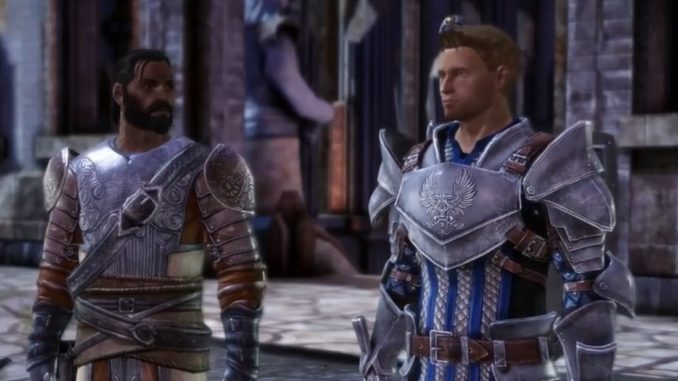
You have to be careful about what you say, because your actions have consequences. If shit goes down in this bar, and people die on your watch, it could affect how the people of the town perceive you. Which could affect whether or not those same people will aid you in your fight against a greater threat.
Stumbling in to these leadership roles where you’re faced with certain doom, is terrifying. But it’s a situation we find ourselves in sometimes. It’s dark and gritty. But real. My favorite quote comes from Mass Effect 3. It wasn’t even apart of a main quest, it was a side quest I happened to stumble in to. Commander Shepard said “evil relies on good people never being able to comprehend just how evil they can be.”.
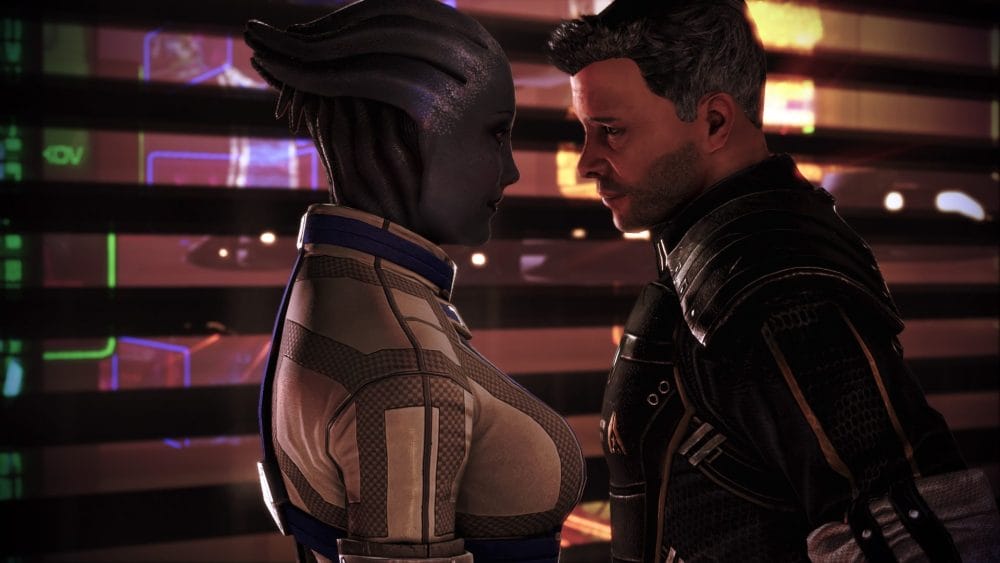
Their games are full of dark undertones. Which is why many fans of Dragon Age were surprised by the light hearted tone of some of the new trailers for Dragon Age: The Veilguard. I would argue that those fans forget the light hearted tone of their old companions.
Its not as simple as making likable characters, its the moments we have with them. Having heart to hearts with them that are relatable and interacting with them in a way that makes the player feel like they are really having a conversation with someone.
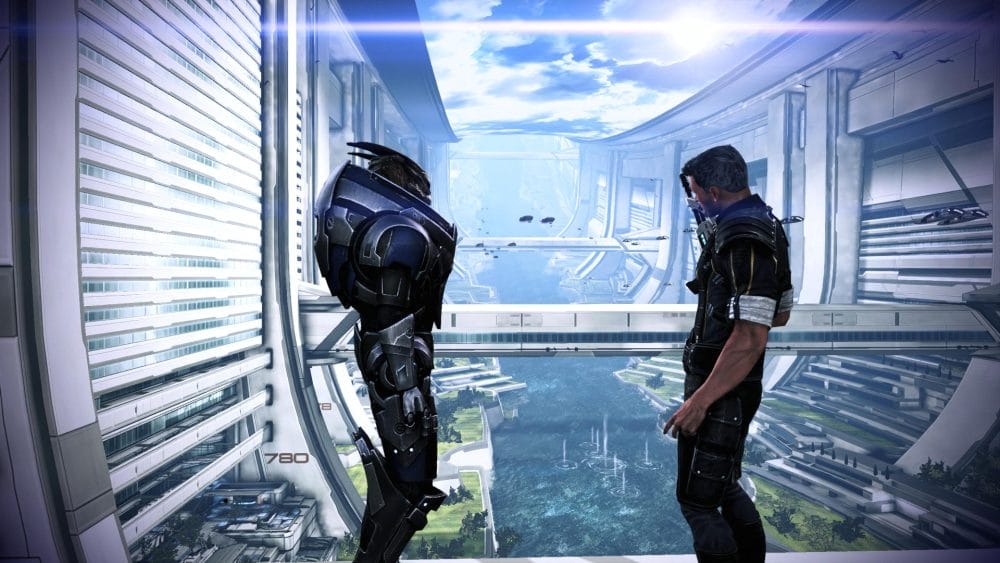
What makes these companions special is the fact that our choices is what grows us closer to them. The closer we get to them the more we realize that their back stories can be tragic and relatable. It brings a lot more meaning to what it took to uncover their backstories.
Making a sci-fi genre show, movie or game is incredibly difficult. Because getting people to care about the lore full of words that are made up is… well… a challenge. Mass Effect does a phenomenal job at getting you to care greatly for its lore through getting you attached to not only your companions but the people you meet through your adventures.
I want to take a moment to highlight the Mass Effect 3 Citadel DLC. A DLC that celebrates your relationships to these characters and expands on that. Content for a video game consisting of you getting an apartment and hanging out with NPCs. That sounds lame if you haven’t played it. But for those of us with a love for the franchise, it’s exactly what we wanted.
I bring up the DLC because its further proof that the developers proved to us they understand why Mass Effect is important to their audience.
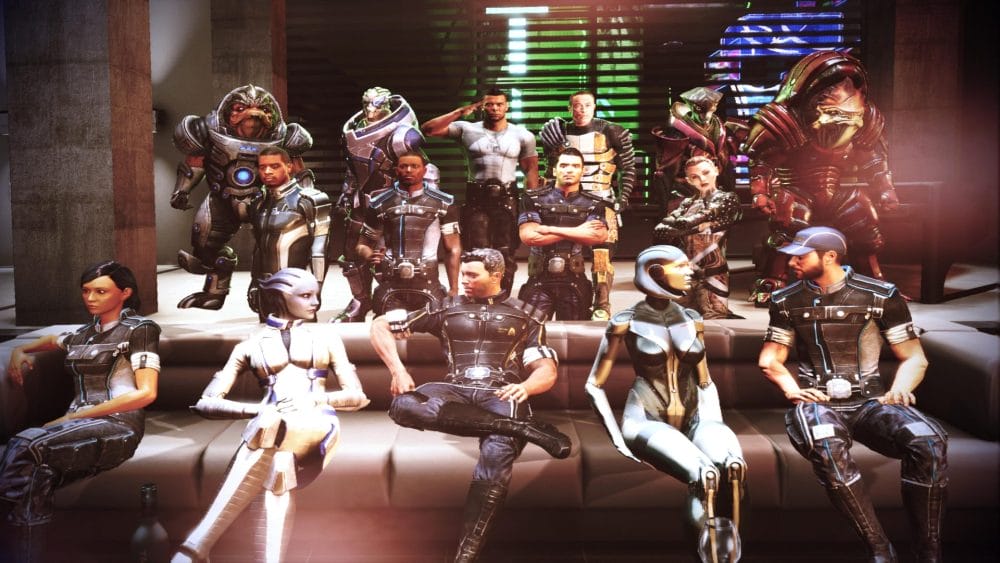
So, everything listed by the community vs what the developers feel are two completely different things. How can we learn from this? Well, the most common trait in the write ins, are the character relationship aspects. How does this apply to other developers?
I had the honor of getting to interview Joe Henson, Creative Gameplay & Marketing Director for Hypercharge: Unboxed earlier this year. I brought up Bioware Magic in that interview because I knew they had it, the understanding of what made their game special and unique: Digital Cybercherries Magic.
Their game offers the unique perspective of being a toy while offering a nostalgia that all of us can relate to. Being a toy soldier and fighting evil on the bathroom floor is quite the experience. Exploring a toy store after dark as a toy and seeing what stuff had fallen behind the cracks of the toy aisle shelves offers a new way of looking at the world that not just any game can offer.
Digital Cybercherries understands what their magic is. It really shines through when developers know and when they don’t.
I want to dive a little further in on this topic because this is where it gets interesting to me… understanding what a developer’s magic is.

An even more recent example is Helldivers 2. Helldivers 2 is a co-op focused PvE experience. When the CEO was asked if they plan on making a PvP he responded “We make games for people that just want to have a challenging time with friends but in a PvE setting.”. This deserves praise for the developers understanding its community.
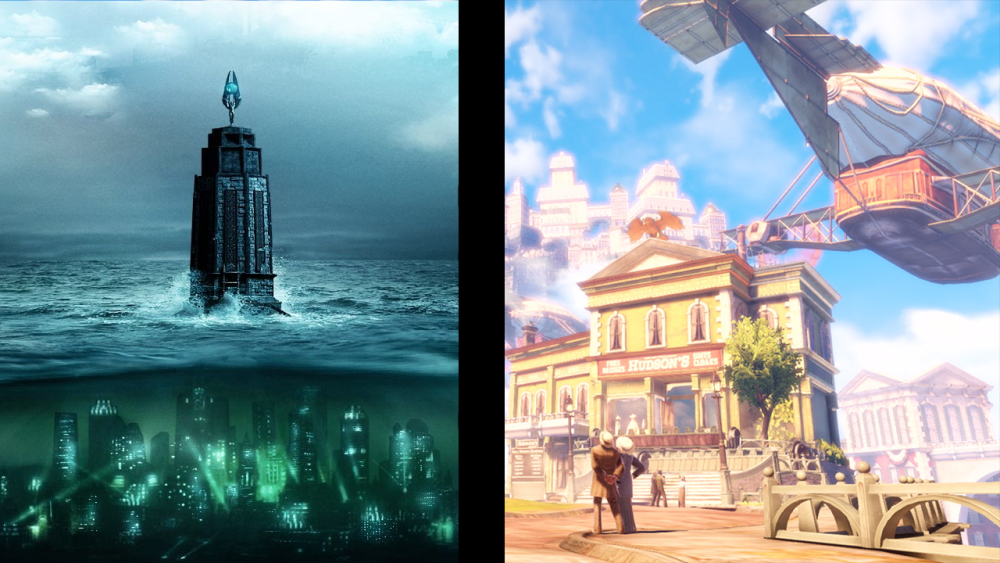
Bioshock trilogy. Bioshock sends you in to a unique under water world that is terrifying, but you don’t want to leave, you just want to keep exploring this dark twisted world. Bioshock sold 4+ Million while Bioshock 2 sold 2-3 Million. It was also rated the least popular on Metacritic. However, Bioshock Infinite sold 11+ million and got a 94 on meta critic. Its my belief that the introduction of new and exciting places alongside good story telling is what makes Irrational Games Magic.
Assassins Creed, I fell in love with the franchise over its use of history. Taking historic events and putting fictional spins on it to fill in gaps is thrilling to play out as an Assassin who’s part of a secret creed. The Assassins Creed Syndicate Jack the Ripper DLC is one of my favorites! Origins, Odyssey, and Valhalla all set out to try something different. While it found a new audience, it left some of us long time fans wanting.
It started with Odyssey. When they announced the decision making and protagonist options, this took away from their ability to stick to their way of story telling. Many argue Kassandra is the better protagonist. There shouldn’t be a better or worse protagonist in a game. While the choices didn’t impact the game directly, I would argue the time and recourses put towards it could have been more useful elsewhere. Somewhere where those resources did matter.
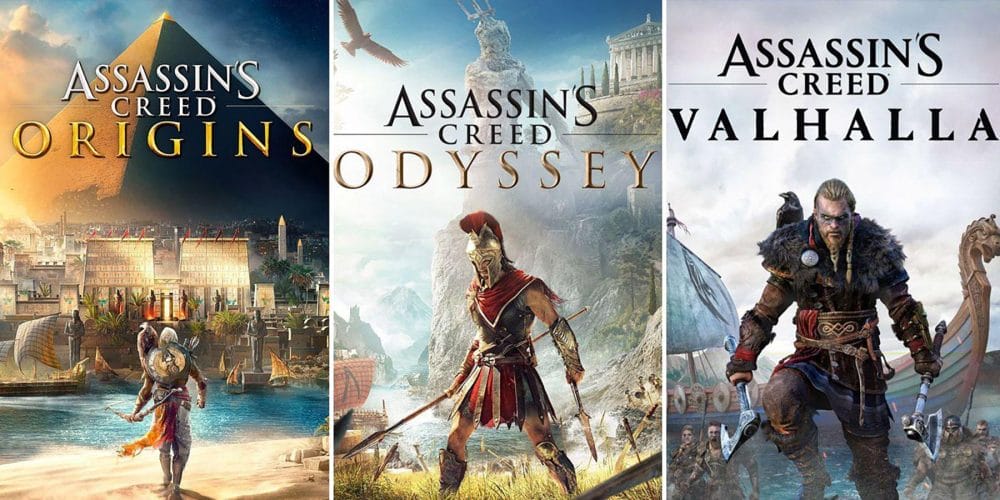
With Valhalla it just got worse. Relying more heavily on fiction and quantity of tasks instead of quality. You aren’t even part of the Assassins Creed anymore in this game. Instead of Assassins Creed Valhalla, It probably should have been called Assassins Creed Adjacent. HA! Am I right or am I right?(badum tsssss)
The last game I want to point out is Battlefield. Fans are clamoring for Bad Company to make a return. Why? Because its destructive environments is what made it so special, not because it was the alternative Call of Duty. Once they started focusing on having the biggest maps and servers instead of unique environments, it started going downhill for Dice. Battlefield 2042 was a good attempt to get back to its roots, but convincing people to pay full price for an online only game is a tall order in todays world.

With Bioware changing so much over the years, its hard to say if they still have, what we as the consumer believe to be, Bioware Magic. The fact that they changed the name from Dragon Age Dawnguard to The Veilguard is a good sign. They said in their reveal presentation that the game wasn’t about the threat, but about the companions. With that being said, I would like to return back to Kat Bailey’s interview with Gary McKay. Where McKay stated…
“[Dragon Age] was really focused on some pretty clear decisions we needed to make, such as multiplayer, which we decided not to pursue for all the good reasons. And when I think about the state, I think about, ‘What is it that we wanted to do with this game?’ And it was really about going back to our roots and what we’re great at, which is single-player hero fantasy games, obviously set in the world of Dragon Age around incredible storytelling. Characters that just jump out at you in the game,” He goes on to say.
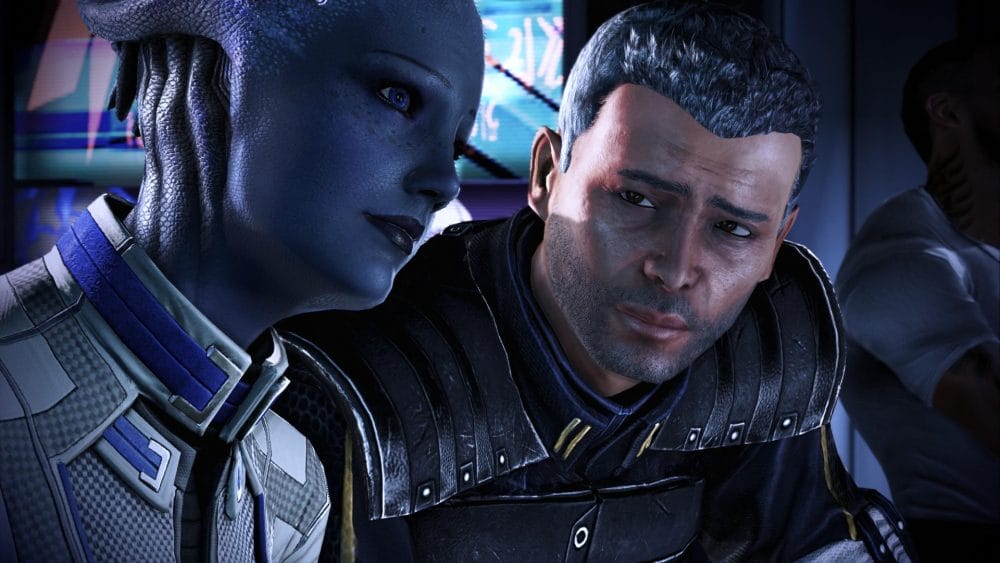
“I mean, the characters in this game… you’re filled with love and loss and complex choices, and so, we really wanted to make sure that we are coming back to the heart. So it’s not a multiplayer game, it’s not micro-transactions, it’s an offline game. These are all the things that we really wanted to return to what we feel would be a successful game.”
Mike Darrah returned to Bioware in 2023 as a consultant on Dragon Age. In the same article that Kat Bailey wrote, Darrah was quoted saying “It was definitely a time of a lot of people who didn’t know any better making games. And I think there’s a power in that because honestly at the time, RPGs, at least Western RPGs, were kind of considered to be a dead genre or a dying genre, and so a team that didn’t know any better was able to make something that otherwise a more experienced team might’ve not even tried to make.”

In summary, I think we should redefine what “Bioware Magic” is. I understand why Mike Darrah hates it and respect that he wants people to stop using it. But what it means to the developers is clearly not the same thing as what the consumer’s belief is of Bioware Magic. That is not a bad thing either.
its important for developers to understand what their magic is. It’s key to have an understanding of what your team’s magic is as early as possible in the development process. You gain your audience through that and keep them through it as well.
Historically speaking, we have seen time and time again… fans start to abandon their love for a franchise when the creators leave what made a product so great in the first place.
As for what consumer’s can learn from this, lets catch the developers who are staying true to their “magic” and praise them for it. Make your voices loud when a studio does something right. It is easy for the higher ups to steer the ship in a wrong direction because the wrong people are getting heard.