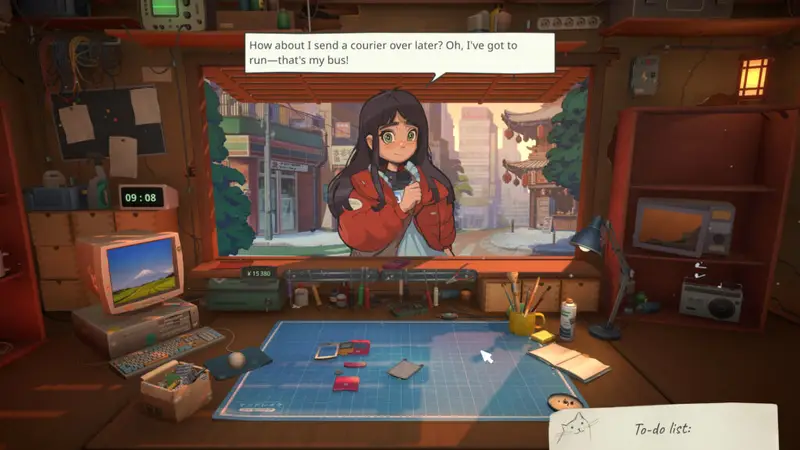
Publisher tinyBuild revoked nearly 650 game keys for its newly-released game ReStory: Chill Electronics Repairs. CEO Alex Nichiporchik initially broke the news on X. According to Nichiporchik, the vast majority were “confirmed” to have been bought through “shady key reseller websites.” Additionally, In a call-back to a similar incident in 2016, he quote-tweeted a headline about tinyBuild losing nearly half a million dollars to fraudulent keys sold by G2A.com.
Initially placing the onus on the third parties, the tinyBuild CEO suggested that consumers should contact the reseller website directly if their keys were affected. According to the post, the reason for the leaked keys had been identified and tinyBuild would no longer be working with the unnamed key distribution partner.
Well, as it turns out, that wasn’t entirely true. Nichiporchik ended up walking back his original claims.
The Correction
Pretty soon after the initial bans, reports began coming in that customers who had bought ReStory through Green Man Gaming (GMG) were also being affected. It’s worth noting that GMG is a Valve authorized retailer where players can purchase legitimate Steam keys. Nichiporchik acknowledged the mistake, and later provided a longer explanation of what actually happened.
Rather than a key leak, scalpers took advantage of tinyBuild’s regional Steam pricing. Keys were purchased at cheaper regional rates and resold for higher (but still cheaper) on various online outlets. tinyBuild’s knee-jerk response (in my opinion) was to pull the entire batch to shut it down. This unfortunately ended up affecting legitimate GMG customers.
The publisher is now working directly with the retailer to reissue or reinstate keys to anyone affected.
Rough Timing for an Otherwise Successful Launch
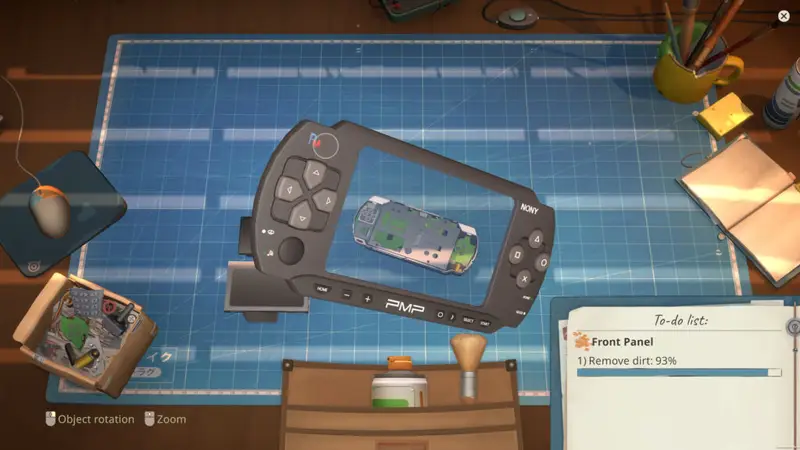
This incident comes just days after ReStory: Chill Electronics Repairs launched officially on August 6. Reportedly recouping it’s budget within the first 12 hours, ReStory went on to gross over $1 million in the first 24 hours. It continues to sell well, recently crossing the $3 million mark. The title is also tinyBuild’s highest-rated release, currently sitting with a 98% positive rating on Steam.
While the affected total is only 649 keys, legitimate customers were part of the fallout. In my opinion, this controversy puts a bit of a dent in my trust with the publisher. It’s a blemish on an otherwise successful rollout for tinyBuild.
History Repeats Itself, Sort Of
As mentioned earlier, tinyBuild has been down this road before. In 2016, Nichiporchik claimed that G2A, a popular digital marketplace, were responsible for around $450,000 in fraudulent key sales for Punch Club. G2A denied the claim, saying the keys came from the publishers own resale partners. In order to investigate further, G2A offered to formally partner with tinyBuild. This offer was ultimately rejected.
By initially comparing this recent ReStory controversy directly to the 2016 dispute, Nichiporchik is directly blaming third-party marketplaces for this continuing problem. It ultimately ended up being a problem closer to home, though, as tinyBuilds regional pricing setup ended up biting them this time.
What It Means For Players
For players that went through GMG for a ReStory key, tinyBuild will be working to replace the code.
For anyone who picked up ReStory through an unofficial reseller, tinyBuild’s message is clear. It doesn’t look like the publisher is planning to restore those keys anytime soon. As mentioned, tinyBuild is pointing affected buyers back to whichever site sold them the key in the first place. I do feel for the unaware consumer in this case, and hope refunds are processed quickly for affected players.
Nichiporchik’s advice going forward is also clear: buy directly on Steam or through authorized sources, and treat suspiciously cheap keys as too good to be true.