Amongst my friends and colleagues at Gamer Social Club, I have famously not completed some high-profile games. Mass Effect, any Final Fantasy, The Witcher 3 etc, there’s many I haven’t got round to playing. Not because I don’t want to, but because I know that many of them are big undertakings and I want to give them the proper time and attention. As an increasingly busy, supposed adult, time to game is precious, and often fleeting, so it’s important I make the most of it when I can and enjoy the best the gaming world can offer me.
Alas, Echoes of Aincrad has not fallen into that category.
(This review contains spoilers for the game)
VR ALL GOING TO DIE!!!!
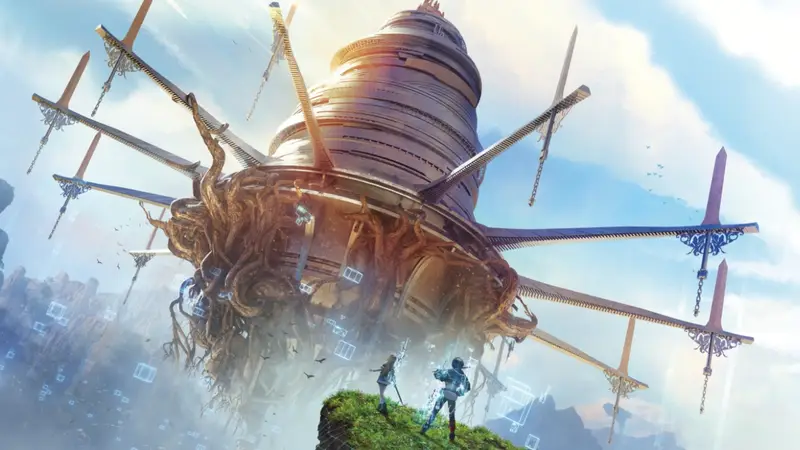
Echoes of Aincrad is a title in the Sword Art Online universe, a web novel that became an anime, and a series of games, written by Reki Kawahara. The premise is that Sword Art Online is a Virtual Reality Massively Multiplayer Online Role-Playing Game (VRMMORPG), where real people create gaming avatars and explore an online World of Warcraft style world. Think anime Ready, Player One.
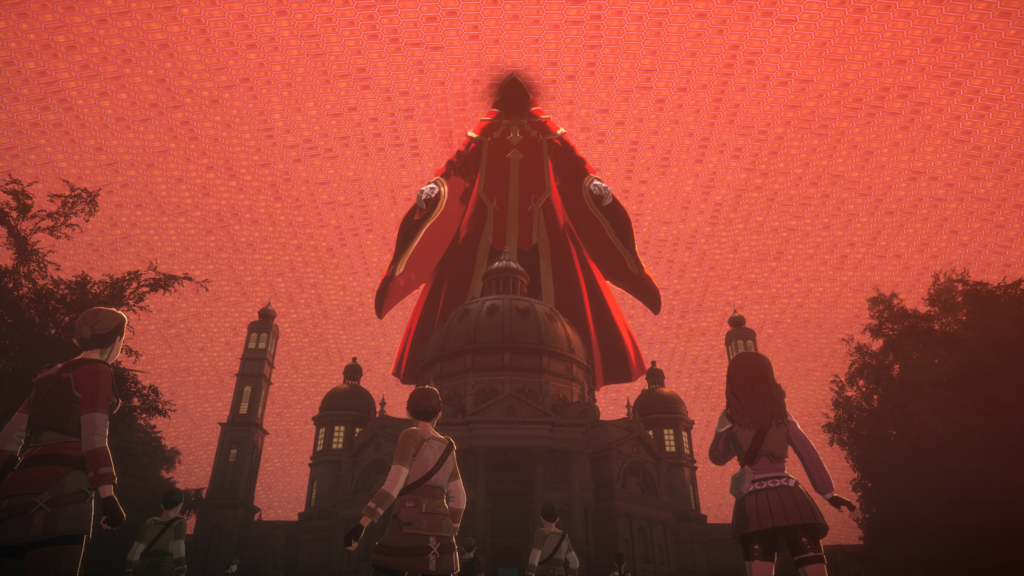
The hook for the series comes when the creator of Sword Art Online (SAO), Kayaba Akihiko, traps the thousands of players in his game, announcing that if they die in the game, they die in real life. Try to leave the game, by quitting out, you’ll die. The only way to escape is by clearing the 100 floors of Aincrad, a steel castle that contains many challenges and threats to life.
A Tale of Two Storeys
Echoes of Aincrad takes place at the beginning of this story where the 10,000+ players are at their most vulnerable, figuring out what to do and how to survive. Going into the game, I was completely unaware of any of the Sword Art Online universe, so it was completely new to me, and I really liked the concept and narrative being laid out in front of me.
Echoes of Aincrad takes place during what would be the first season of the Sword Art Online anime and focuses on the first two floors of the 100 in Eincrad. The players are finding their way, exploring the floors, strengthening their characters, and preparing to take on end of floor raids to progress to the next level.
During this exploration players who took part in the game’s prologue / tutorial area, cleverly framed as the Beta for Sword Art Online, receive a mysterious brooch, leading them to take on the Swordsman of Salvation quest line. A main objective that sees the protagonist (you) and their allies seek out legendary weapons hidden in sanctuaries throughout the game’s first two floors.
A Damp Squib
There were some interesting elements to the story, and I was certainly invested in seeing where it led and how the game might resolve, especially given it was only focussed on the first two floors of a 100-floor concept. Well, it just ended. There was so much interesting stuff to explore: why did Kayaba trap everyone, how are people surviving, how will they escape? But none of that is explored. You slog through the game’s campaign, defeat the final boss of the second floor, and that’s kind of it. You and your crew vow to continue, then the credits roll.
I was underwhelmed to say the least. It felt like a lot of work for no pay off at all. I appreciate that there is a lot of stories in the Sword Art Online world, but a good story should be able to resolve a contained issue whilst leaving it open for future continuation, not solely rely on it. It felt clear that there’s a hope to continue with what has been started with Echoes of Aincrad, but leaving nothing really resolved is disappointing.
You Say It Best, When You Say Nothing at All
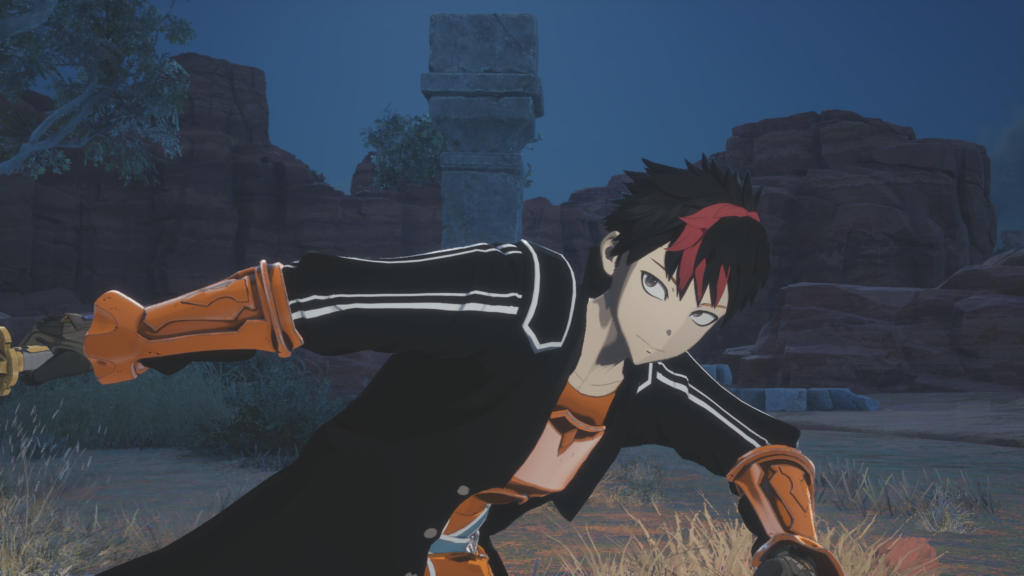
You play as a mostly mute player that you can make your own. As the protagonist, you’re one of the many hostages in the VR world and must fight to survive. You’ll make allies, enemies, and discoveries as you work to figure out how you might escape SAO.
During the game’s beta, you are a predetermined character, but once the sinister reality is revealed you then get to customise your look. The concept being that you are revealed to look like the real you.
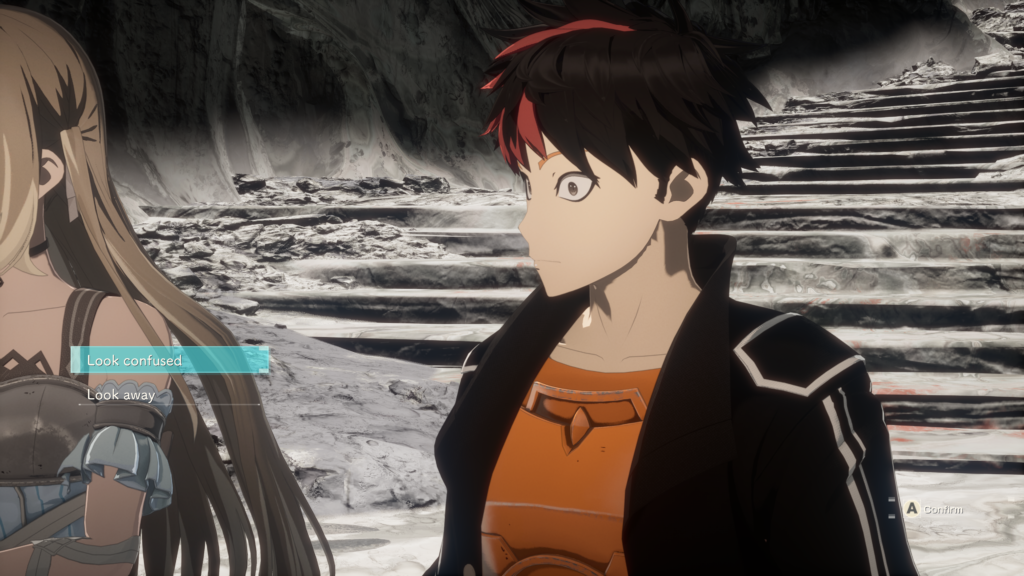
During the Beta, you’ll meet Iori, who becomes your main companion throughout the game, guiding you and your increasing number of allies through this unknown situation. To be honest, you don’t feel like the lead in the game, given you’re a mute protagonist, all the talking and major scenes are led by Iori and the others.
Reference is made to you often, with some shots of your character looking like someone’s unplugged their brain. Staring, soullessly at the others, occasionally raising a fist to his chin. The game does involve you occasionally, giving you the option to comment on dialogue with a nod, smile or shake your head… thrilling. The highpoint made me proper laugh out loud as it felt like talking to Lassie / Skippy (“what’s that, someone’s stuck down the well?”).
Supporting Cast of Characters
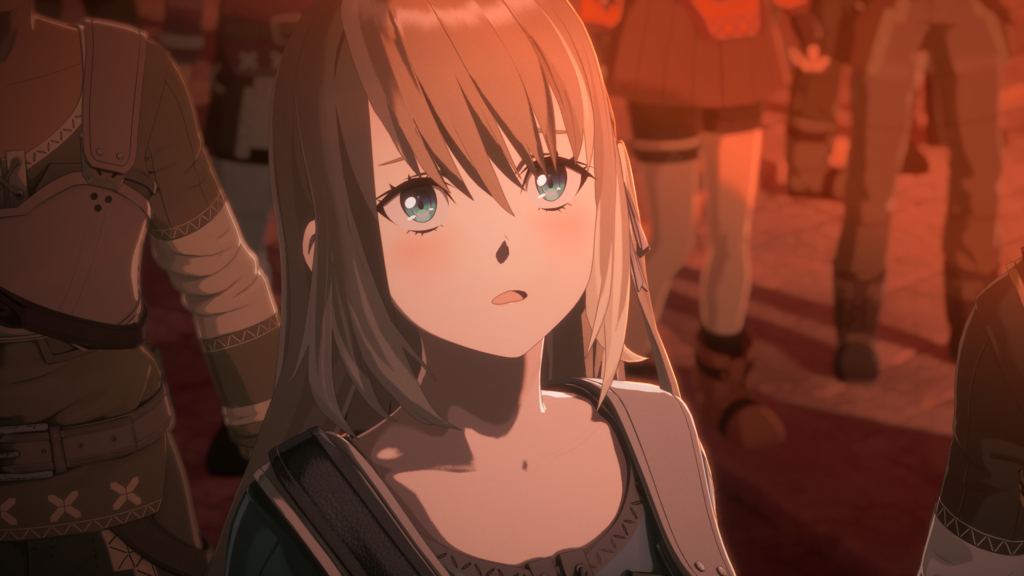
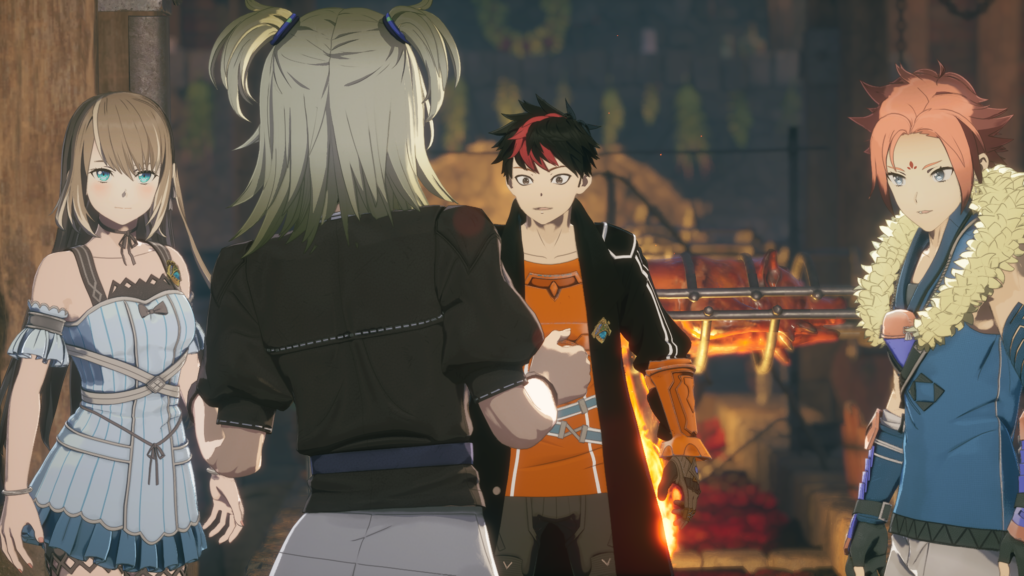
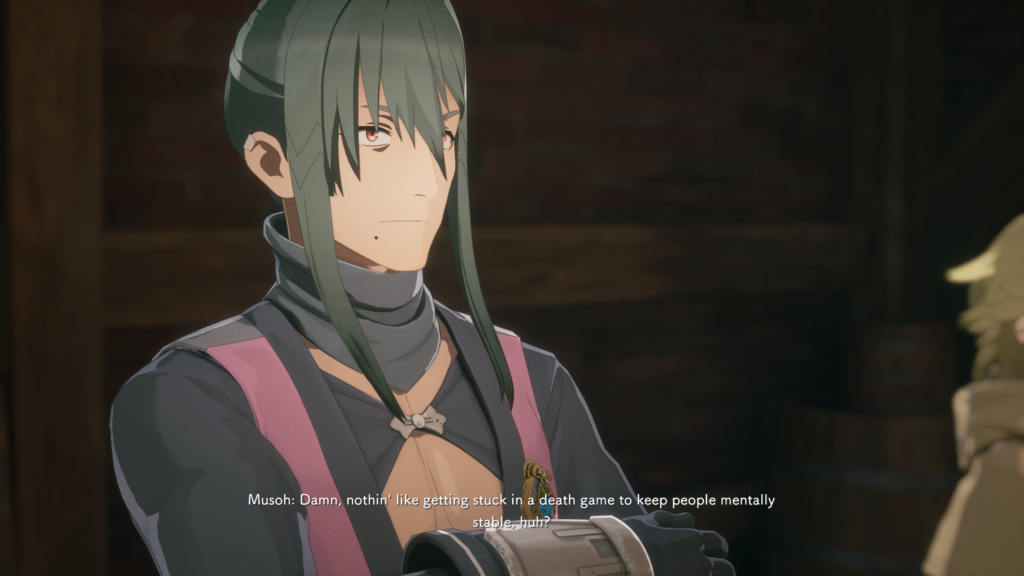
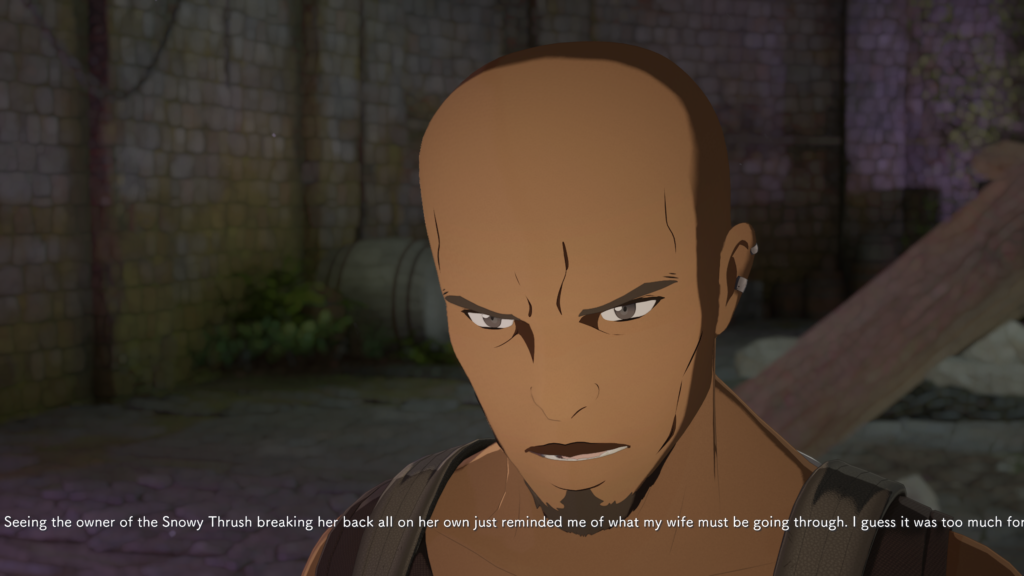
The supporting cast of characters are great. There’s a good variety of personalities, from the nervous introvert to the “is he the baddie, oh, no he’s ok” mislead. You recruit them as you explore, some through the main quest, other by completing some of the game’s many side quests. They can all accompany you as you complete missions and bring their own attacks and abilities to the fray.
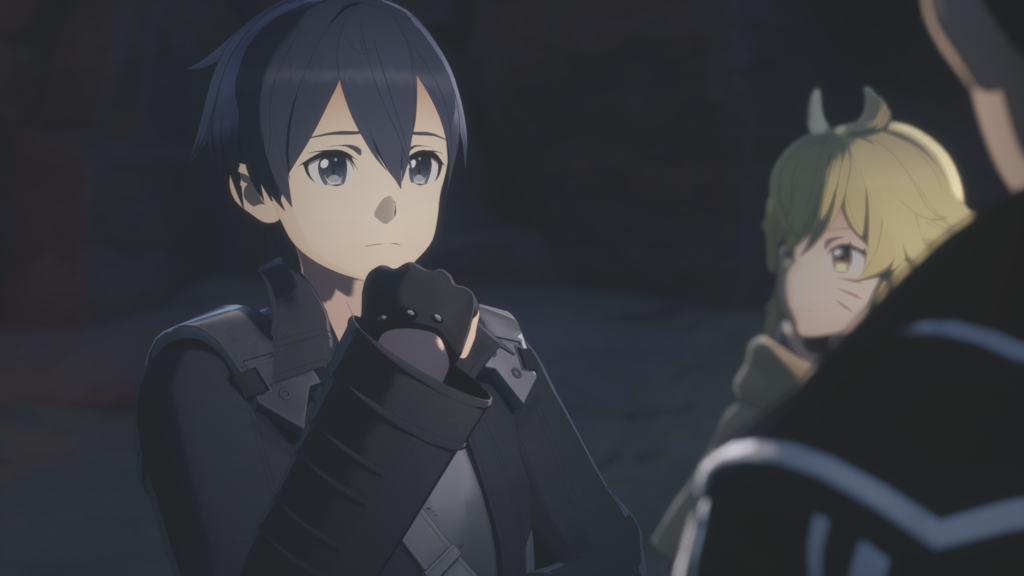
I really liked the introduction of many of the characters and how they’re coping with the situation they find themselves in. Stina, for example, a player from Sweden, began playing to improve her real-world confidence in talking with others and feeling part of a group, making friends. This isn’t explained until later, with existing party members wary of her awkwardness as some sort of subterfuge. It felt like a natural subplot and there were several instances of this. You also get to recruit to the anime’s main protagonist Kirito as a companion, but he isn’t the focus of the story.
Maps Not How We Do Things Here
Echoes of Aincrad itself is an action-adventure JRPG with Soulslike elements. I described it to a friend as an “anime Elden Ring”, a heavily caveated description I might add. The core gameplay loop rests on you picking up missions or side quests from hub towns and then heading out into the world. The mission areas are semi-open environments where you can explore, hunt treasure and resources and kill enemies. In the loading screen, the game encourages you to explore, but exploration is restricted, inexplicably.
The mission you select determines which sections of the map are available to you, even though you might have been there previously. I don’t understand this, encouraging exploration to then say you cannot go here as it’s out of the boundary of the mission, why does it matter if it’s part of the area that I’ll be in later / been in previously? It is the antithesis of exploration.
Lost Your Way
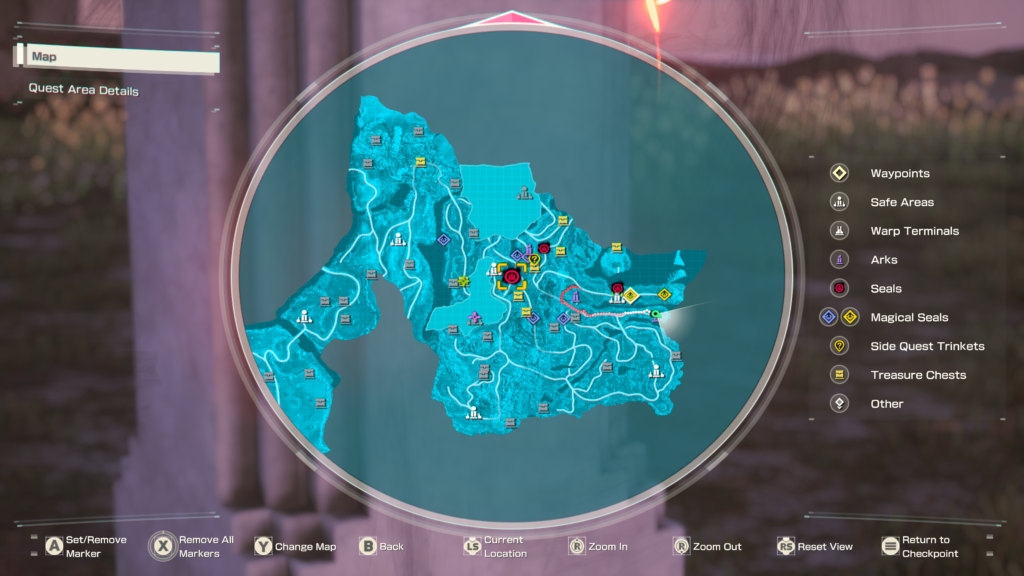
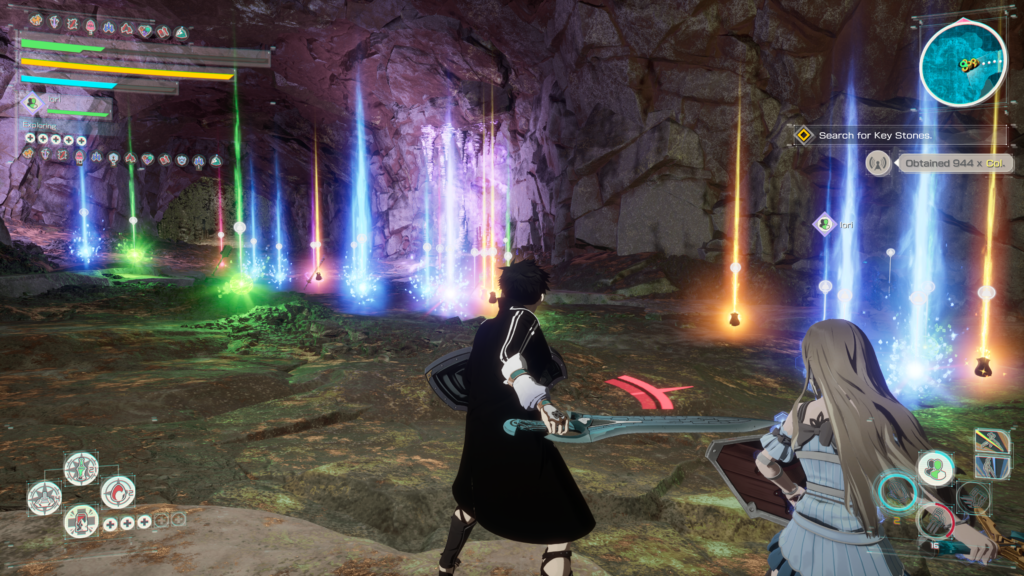
New areas are not mapped out, and you must reach terminals that reveal sections of the map, including points of interest, such as treasure chests or ‘arcs’, summoning posts for bosses that unlock barricaded routes. I found this element of exploration infuriating. It was easy to miss stuff as you explored, with the terminal you needed to interact with to reveal the map and points of interest usually positioned at the back of the area where you were heading. This meant a lot of backtracking, as you would inevitably reveal the map to discover that you’d missed a treasure chest or side quest item. It feels intentional, to drag out your time playing.
It feels like a compromise would be to have the routes available on the map, with the points of interest revealed by the terminal. This way you can at least navigate yourself and explore more effectively. This would have been especially helpful in areas where the maps got more complicated and multi-levelled, meaning you often had to cross into other areas to follow the path back to the terminal you were aiming for. I spent a lot of wasted time trying to figure out where I was meant to go and it was by no means fun.
Hack, Slash, Skill, Repeat
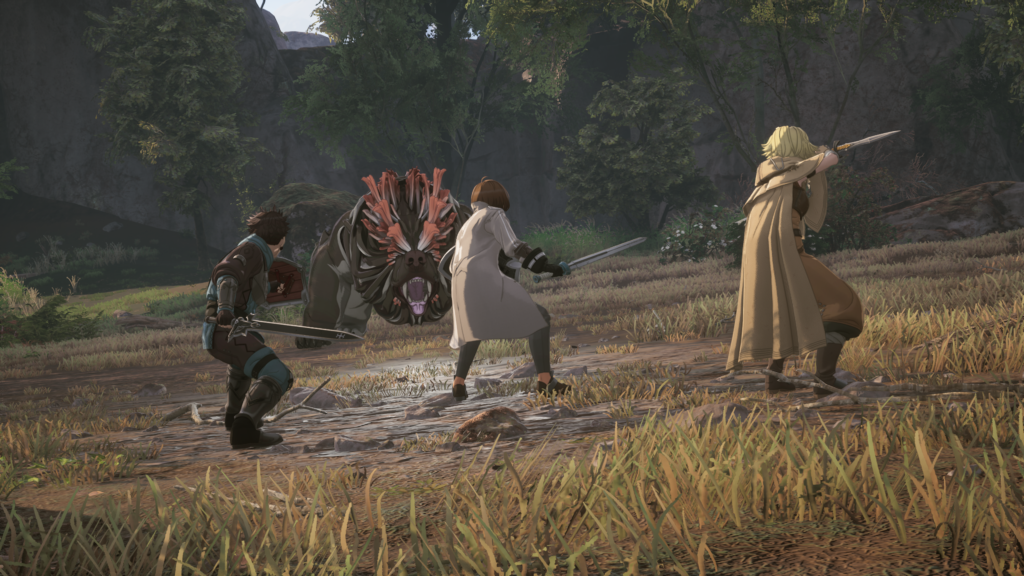
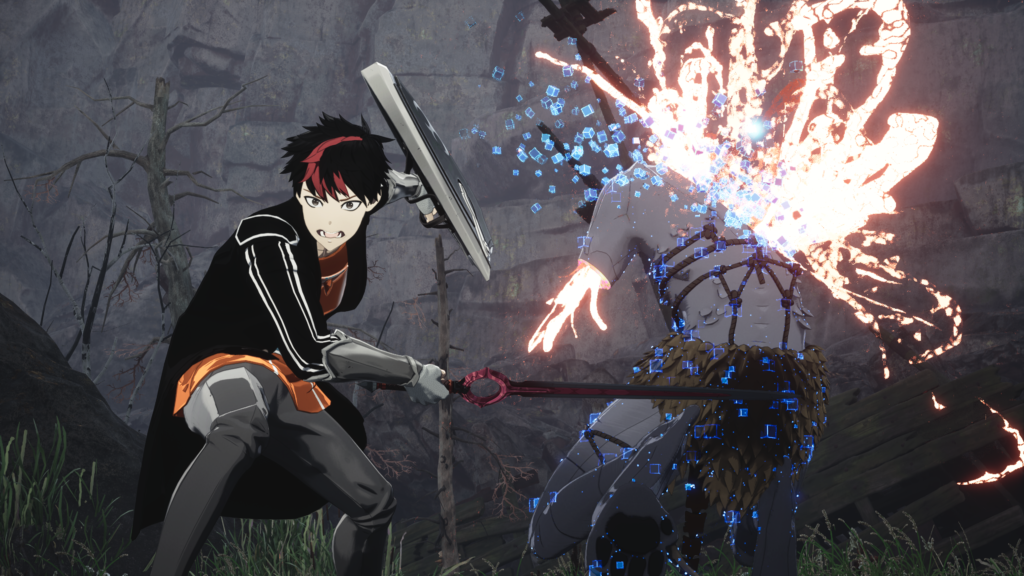
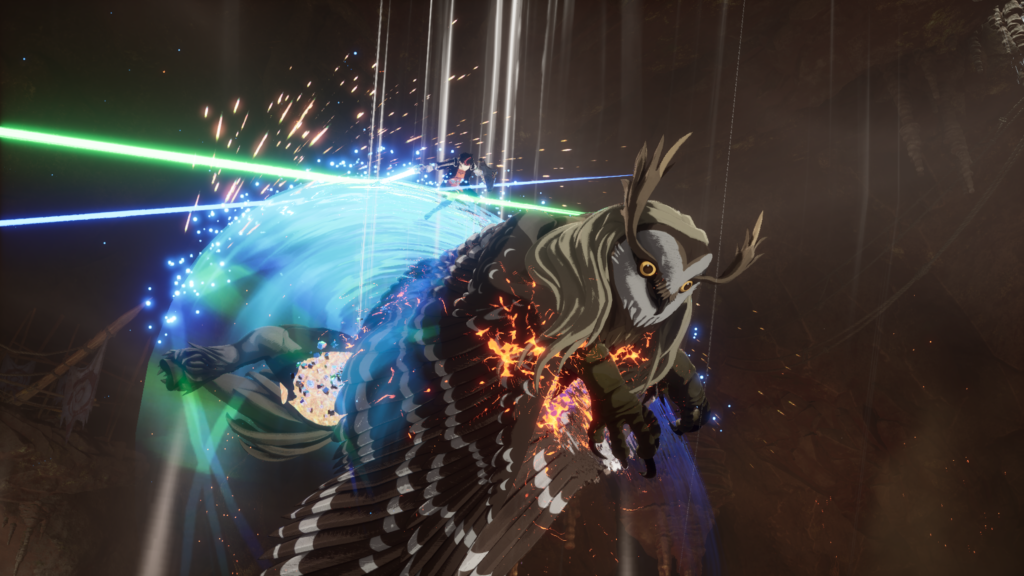
Combat was quite fun. There are a variety of weapon types, such as shortswords, daggers, great swords, axes etc. All feel different, as you would expect, and it’s fun to experiment with them. Controls are familiar, regular attacks on RB, with heavy attacks on RT (Xbox controller). The more you play with a weapon, the higher your proficiency, which unlocks special attacks called Sword Skills. You’ll be able to equip three of these which adds some fun and easy to execute dynamics to combat. When you’re in full flow and you’re taking out enemies and executing Sword Skills, particularly when you finish off a boss, it’s a lot of fun and the game makes it look pretty badass too.
Your companions also plays a role in combat, helping you out and enabling you to use their two abilities to do some powerful ‘companion combos’. I often mained Iori, as she not only had a strong AoE attack, but she also had the only healing ability, which was helpful if you needed a heal in between terminals (and didn’t want to use your potions). Enemies respawn at terminals / safe areas when you rest or return to the local town to upgrade equipment or spend experience points.
Upgrades, Upgrades, Upgrades
You can raise your weapon level up to 20 by scrapping weapons to boost your chosen weapons level. If you max out a weapon that’s pretty much it though, even when you get to late game, there isn’t a way to further evolve your weaponry and I ended up just scrapping so many found weapons and items for money / resources which I had no use for. Way before the end, every companion had a level 20 top tier weapon, and I was still swimming in materials, money, and spare weapons.
You can craft weapons and armour from blueprints and resources you collect out in the field, giving you the ability to customise your loadout with a variety of armour and effects.
First Floor: Cobalt Types, Boars, Bears and Possible Death
Second Floor: More of the Same
If you’re looking to explore and do everything Echoes of Aincrad has to offer, you’re going to encounter a whole load of repetition. Missions tend to be more of the same, enter the area, reach the goal, beat a boss, rinse, and repeat. You’ll either be exploring on the ‘open world’ area or in a dungeon. Dungeons are meant to be randomised but compromise of similar rooms rearranged in different orders. Depending on the mission, you might have to make your way through multiple repetitive floors of this before reaching the boss.
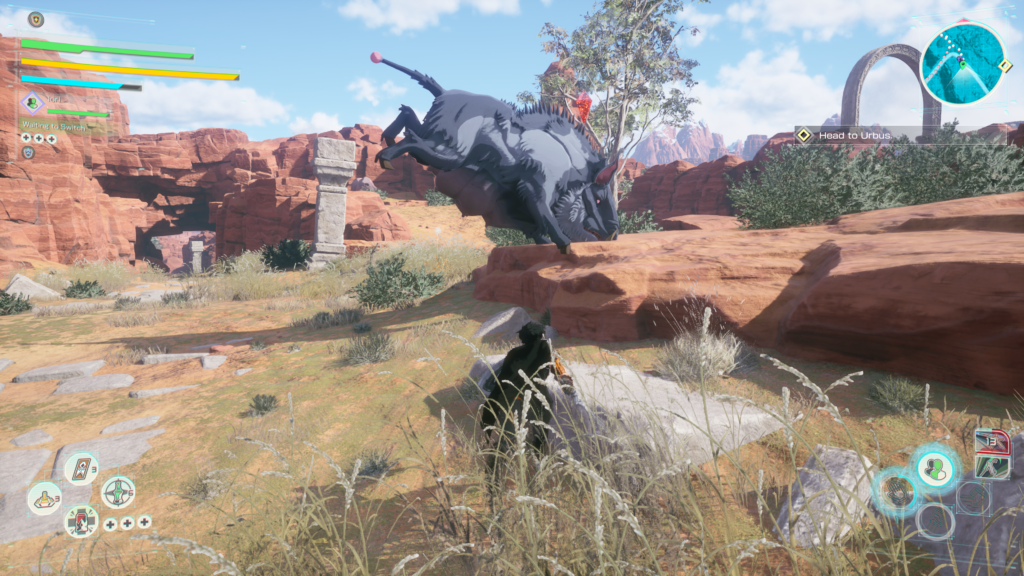
There are quite a variety of enemies, at first, boars, bears, bugs, weird plant things, and fox-like enemies called Cobalts. They all have several types from standard types, elites, and boss versions. There are some interesting character designs and character, particularly with the bosses, but eventually the variety turns to repetition. They provided a decent challenge too, with some of the bosses taking a few attempts, as they hit hard.
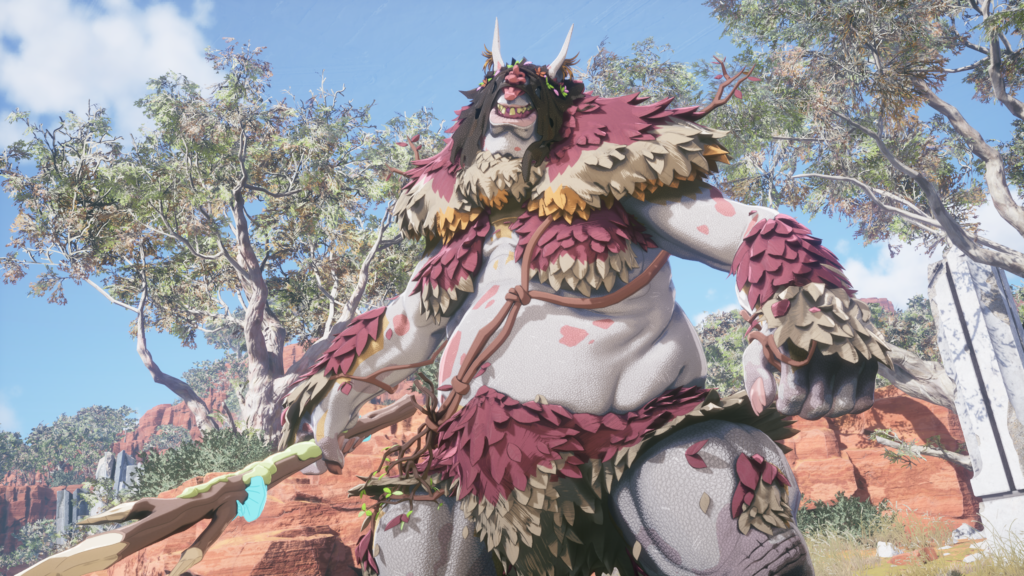
Enemies become the same with different status ailments, something that not unusual, but over the course of the 100+ hours I put into the game, I encountered way too many of the same type of enemies, particularly the bosses. Many of them had no variant to them either, it was just the same again.
Some of the combat got frustrating and chaotic, also. Enemies favourite moves being ones that knock you down, and in circumstances where multiple enemies all do the same types of moves, it became an incredibly annoying game of “give me a second for crying out loud”. That was when enemies weren’t stuck in an environment or just de-aggroing in front of you.
“I Should Put it in my Stash for Later”
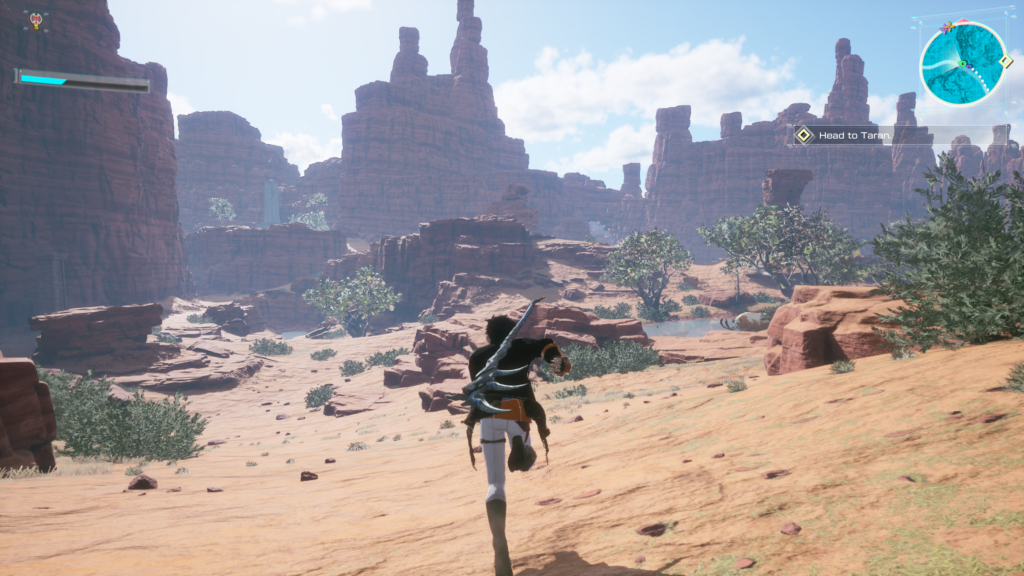
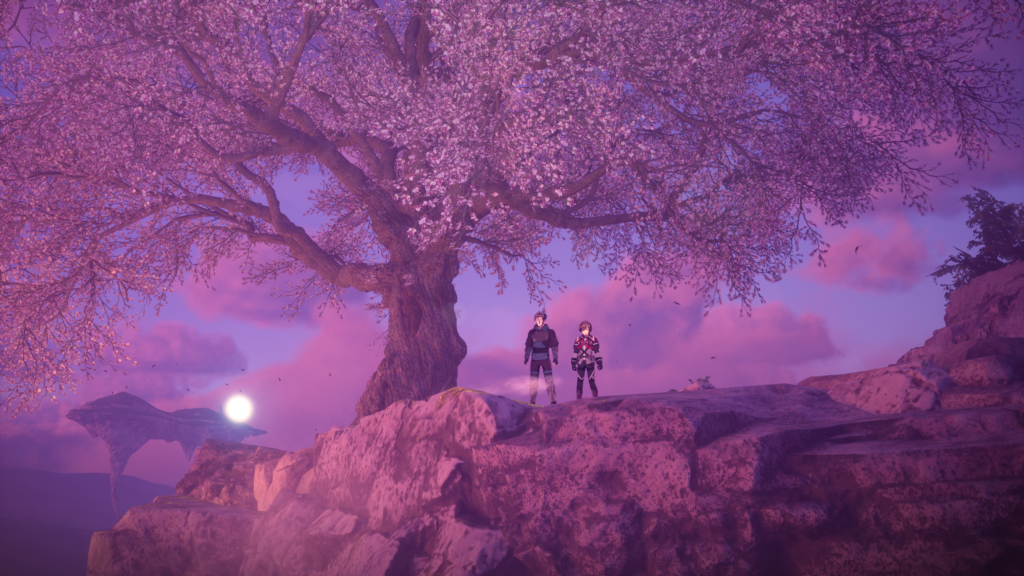
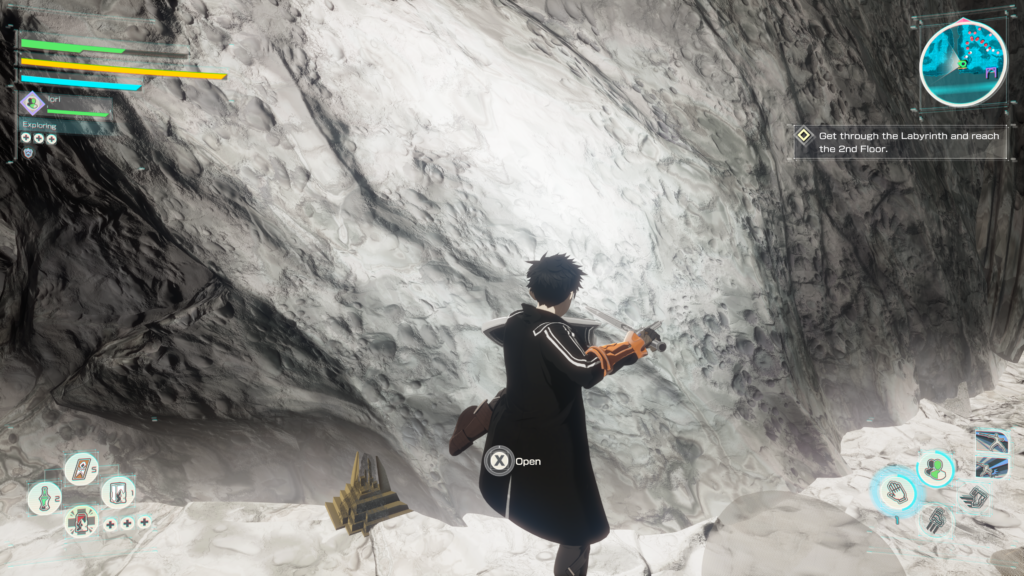
Echoes of Aincrad does look great. Built in Unreal Engine 5, the environments look great, and there’s good variety in the dungeon areas. The overworld areas are a bit samey but there’s some great points of interests and vistas to enjoy as you explore.
Cutscenes and story interactions are a bit stiff, and I was surprised by the limited movement in the dialogue sections. Characters moved awkwardly and unnaturally, often stunted between lines and it was a little jarring. The actual detail and dialogue are delivered well but the in between interactions could have been refined.
Dialogue during missions is tiresome. Your companion will not shut up and the feeling to narrate everything “looks like a cobalt type”, “a treasure chest, you’re going to open it right?” (dumb line, of course I am!) got wearing and I found myself listening to my own music or a podcast. I also noticed the voice lines being spoken even when nothing was there, alerting me to where an enemy used to be.
Do We Have Time for This?
There’s certainly a lot to do in Echoes of Aincrad, it’s just whether you want to do it. Between treasure chests, side quests, and the main missions, you’re looking at 100+ hours of game, which sounds great on the surface in terms of value for money, but it’s endlessly repetitive and uninspired.
Following completion of the main story, an epilogue is teased at the end of the credits where a new area opens. This then starts an additional quest for to complete 10 more dungeons and collect some gems that can upgrade your brooch to give you an edge to take on a final boss. I was Level 95 at completion, and this boss has a recommended player level of level 200! It’s tough, but doable without that extensive grind, replaying missions, and there’s a world of other games to play out there.
These dungeons are just repetitions of previously completed ones, but with some changes. You can pick a level for all the enemies, raising the challenge. They take place across five floors (*rolls eyes*), but each floor gives you the opportunity to buy buffs to give you an edge using spheres you collect through the dungeon. I wish this was just how the dungeons worked, rather than just epilogue ones, it would make it much more interesting.
Death Blow
Echoes of Aincrad feels designed to deliberately waste your time. It’s by no means a bad game, there’s a lot of interesting elements to enjoy including the story, the world, and the combat. However, it does itself a disservice by padding the game out excessively with repetitive missions and forced exploration. With strange restrictions on exploration and questionable design choices, it doesn’t respect the player, and suffers for it.

Echoes of Aincrad released on 10 July 2026 and is available for PC, PS5, Xbox Series consoles.
It was reviewed on Xbox Series X. Gamer Social Club would like to thank Bandai Namco for a review copy of the game.