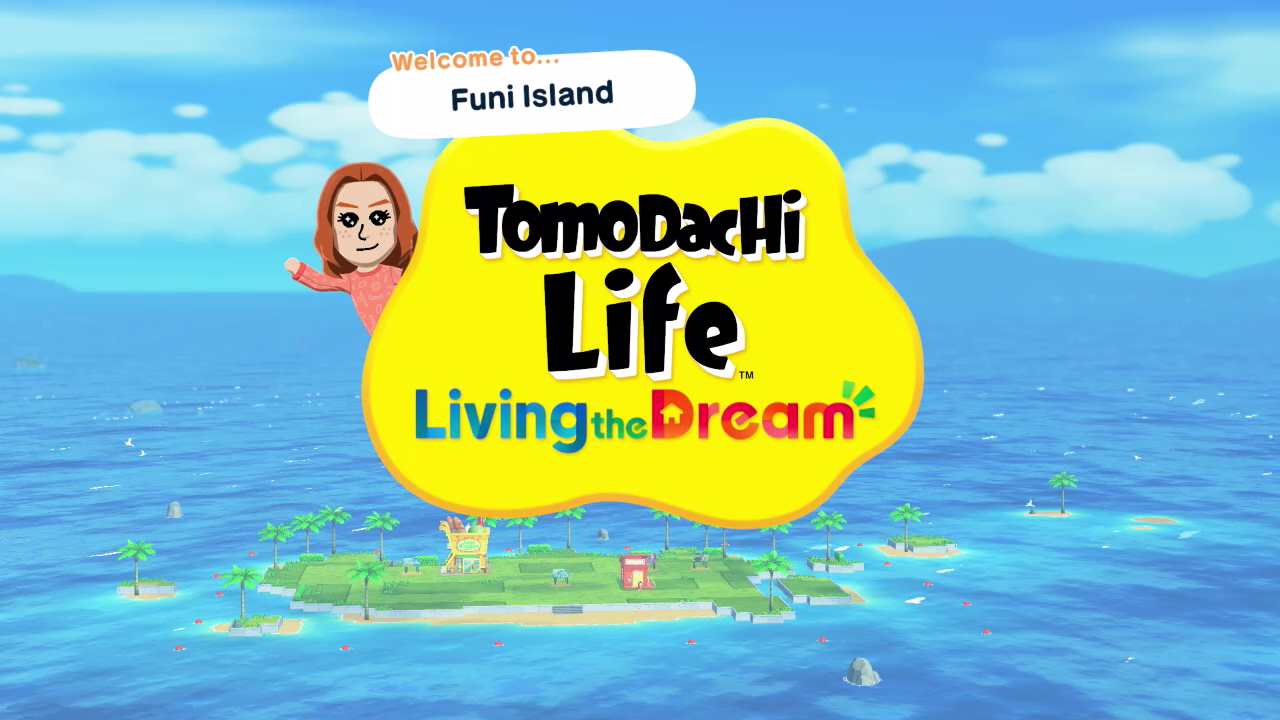
Expectations have been high for Tomodachi Life: Living the Dream ever since its announcement at last year’s March Nintendo Direct. The last game shipped on Nintendo 3DS in 2013 in Japan and 2014 for the rest of the world, and Nintendo’s entire development pipeline has since shifted to merge console and handheld games into one ecosystem with the Switch and now Switch 2 platforms.
That is probably part of the reason why it took so long for us to get a follow-up to the oddball life-sim, especially arriving as a piece of Nintendo Switch software almost a year into the Switch 2’s lifespan. Nintendo seems to have realized that it’s go big or go home for the traditionally handheld series of tiny Miis living in an apartment complex, as the newly released demo for Living the Dream teases a far more expansive Tomodachi Life.
Mii and My Tomodachi
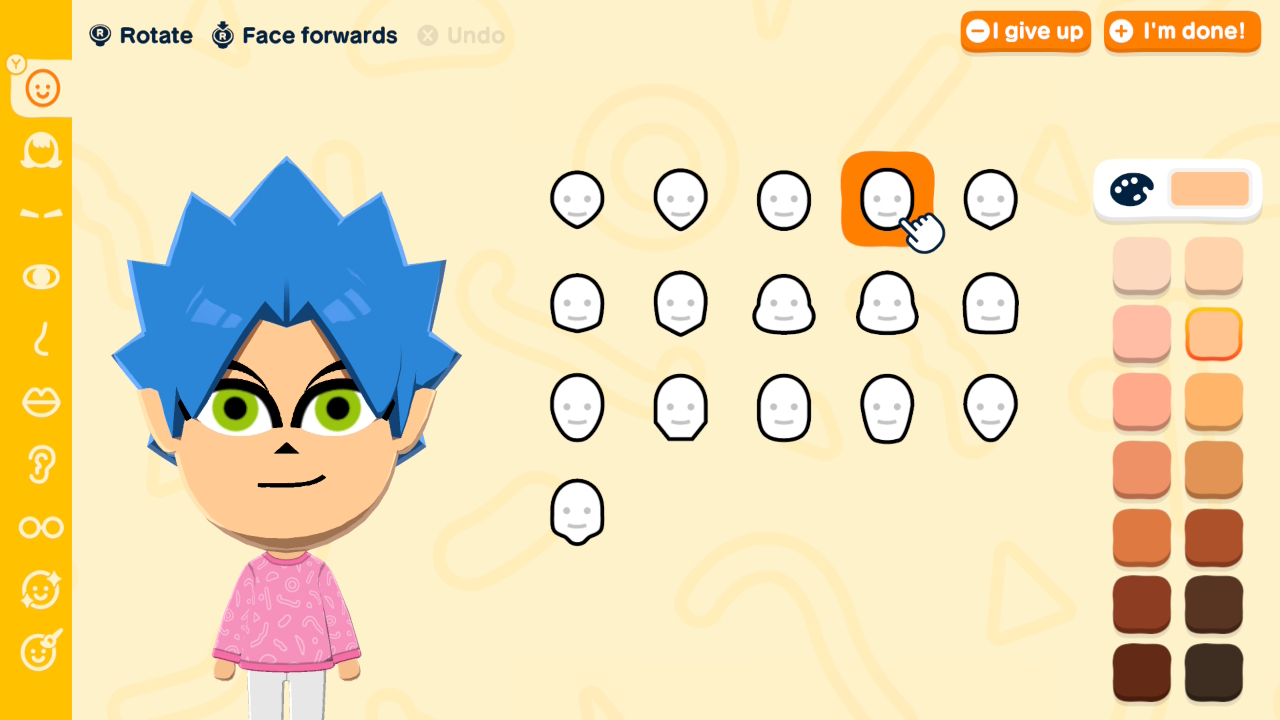
The first thing players will notice when booting the demo is the new Mii Maker. Players will select a body type and build their characters from an even wider array of options than any of the previous Mii games, even including the highly customizable Miitopia. The hair options in particular seem to have vastly improved this time around, with the player being able to select different back and front layers to get the exact look that they are looking for.
There’s also a new make-up option that allows particularly artsy Mii makers to go let loose, using the Nintendo Switch touchscreen to draw their character’s details. This even includes a full Artist Mode which is impressively packed with a range of technical features for those familiar with digital art. While this inclusion is impressive, it only makes the inability to share Miis online sting even more as a removed feature from the 2013 game and Miitopia.
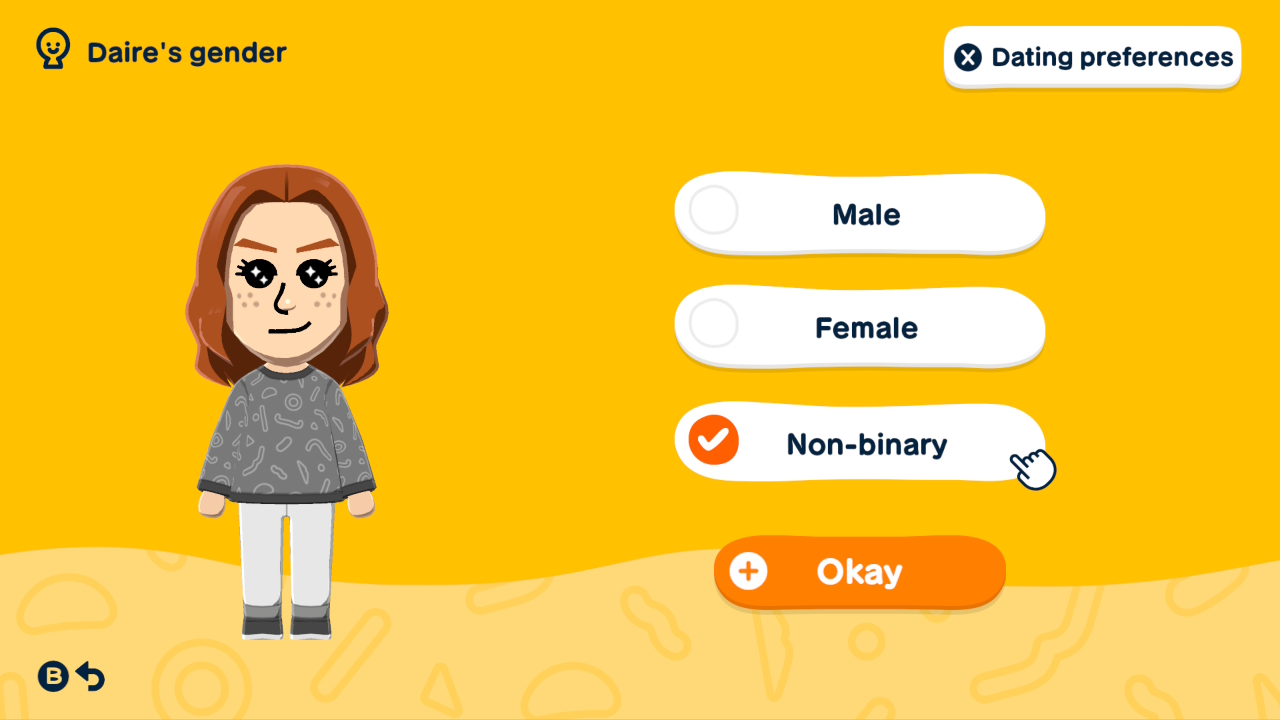
Following this comes the revamped character tuning, which begins with selecting their gender – male, female, or non-binary. If they are an adult then the player can also choose their dating preferences, as romance plays a big part in Tomodachi Life. The player can choose to make their character attracted to men, women, non-binary people, or none, with any variety therein that they please. Preferred pronouns and formal wear can also be chosen.
These gender and sexuality customization options are the first sign that Nintendo has taken the feedback from the original game on board, as this was one of the first major concerns with the promise of a new Tomodachi Life game, especially given Nintendo of America’s commitment to more fluidity in romances following some hot water that the 3DS game found itself entrenched in. As a non-binary person whose life has changed a lot and in some unexpected ways since that original release, it’s comforting that the newest entry has given some space for accommodating the intricacies of how I and others like me live our lives. Even if it is only to be represented through silly Mii characters.
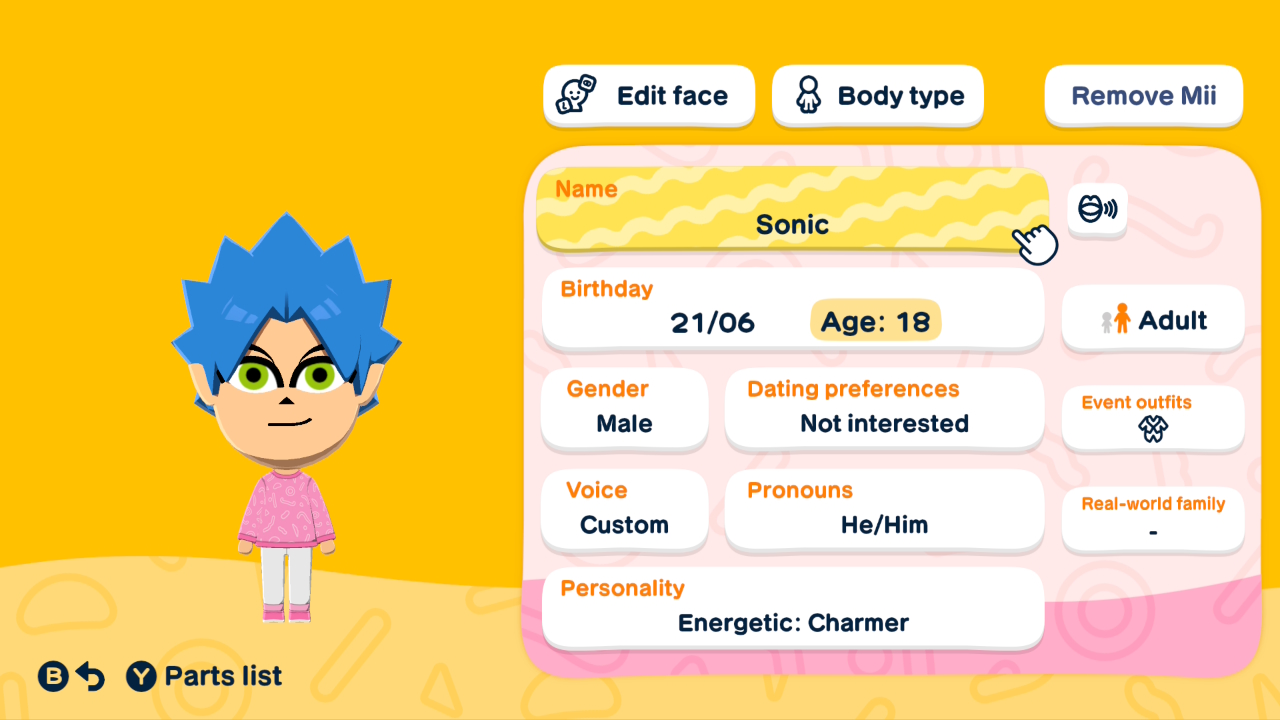
Finally, the last thing to do is to choose the voices for the Miis and settle on their personality traits. I admittedly had some difficulty experimenting with the personalities of the Miis in the Welcome Version demo, as I have a suspicion that many of the variances are locked behind the full release, and none of the ones I was granted seemed to line up especially well with how I built my characters’ personalities out in the creator, so it remains to be seen just how flexible this system really is.
As for the voices, they have somehow gotten even stranger than the original release, however I appreciate the new options for voice tones. In the original Tomodachi Life’s UK English localization, voices were tied to a very specific sounding British voice, which made playing the game from other UK English speaking/reading countries a bit weird. The new vocal melodies in Living the Dream offer the potential to inject the voices with a range of Australian, Scottish, and Irish sounding accents, which can then be customized further with the sliders, which helps distinguish them and adds a greater range to the voices that the player can give their Miis.
Living the Dream?
After you’ve made your first Mii, it’s off to the races to granting their every want and wish. The first thing to do is to feed your Mii and see what food sit well with them, which will level up your relationship to them – allowing you to further inject personality into them in the form of quirks, catchphrases, and presents that they can use in the new island overworld.
After creating a second character, the goal is to introduce them and give them a topic of discussion to become acquainted. Now, before it was (very quickly) discovered that there is no profanity filter allowing you to make your characters bond over whatever unsightly topics you well please (please keep them to yourself), I made mine and my partner’s Miis innocently bond over our real-world unifying love – anime.
After you’ve become acquainted over god-knows-what, all that’s left to do is to create a third character, which unlocks the clothing shop, ultimately bringing the demo to a close. There are a few other bits and pieces here and there, such as a strange dream sequence and the introduction of the town square’s Wishing Well, but they are so lightly introduced that it’s hard to get an idea of how they will function in the full game compared to the previous entry.
The Welcome Version demo only gives a slight glimpse into the new island life of Tomodachi Life: Living the Dream but is a very promising glimpse at the upcoming Mii customization options and a tease of how Nintendo has grown the series to suit the 13-year wait. It’s also a great opportunity for players to get a head-start on the game, as progress from this demo build will transfer to the full game when it releases next month.
Tomodachi Life: Living the Dream will release exclusively for Nintendo Switch on April 16.