
Until recently, at least since the advent and popularization of indie game development and digital distribution, there haven’t been many examples of “autobiographical video games”. Although there’s almost sure to be a few more, a Wikipedia category page lists only 8 examples. It’s not hard to imagine why.
Before this, the majority of video games existed out of capital incentive and were the work of sometimes quite large teams of people, not individuals or the smaller teams we see today. Even in cases where there were ‘auteur’-led games, where much of the creative backbone was established by one person, the actual group of artists very rarely consisted of less than five people. Even more uncommonly were the games they produced centered primarily around a specific time, place, and memory of a single person trying to convey a lived experience through interactivity.
This piece contains slight spoilers for Perfect Tides: Station to Station.
Perfect Tides: Station to Station
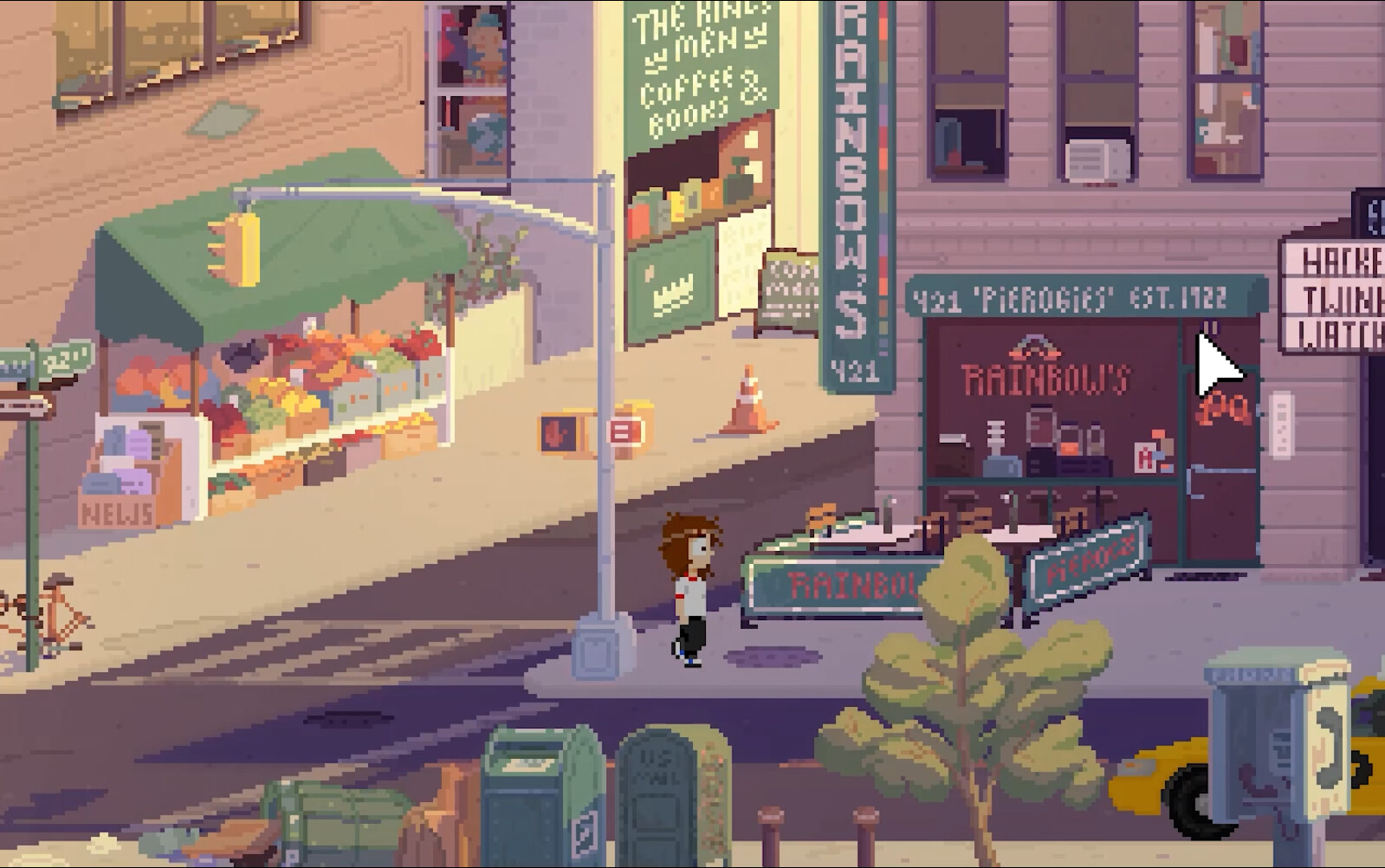
Perfect Tides: Station to Station is one of a few recent examples of an ‘autobiographical video game’. It, unlike its prequel, is listed on that Wikipedia page alongside recent indie darling Consume Me – both games made by very small teams with the expressed intent of recreating a particular period in their creator’s lives, and doing so through placing the control of their fictionalized selves into the hands of players.
Despite this, Perfect Tides: Station to Station is still a fictional recounting of these lived experiences. Writer and director Meredith Gran takes on the form of Mara Whitefish, an 18-year old girl struggling to maintain a long-distance relationship while she attends college in ‘The City’ after a series of events causes her and her family to leave their home on the remote island of Perfect Tides following the events of the first game.
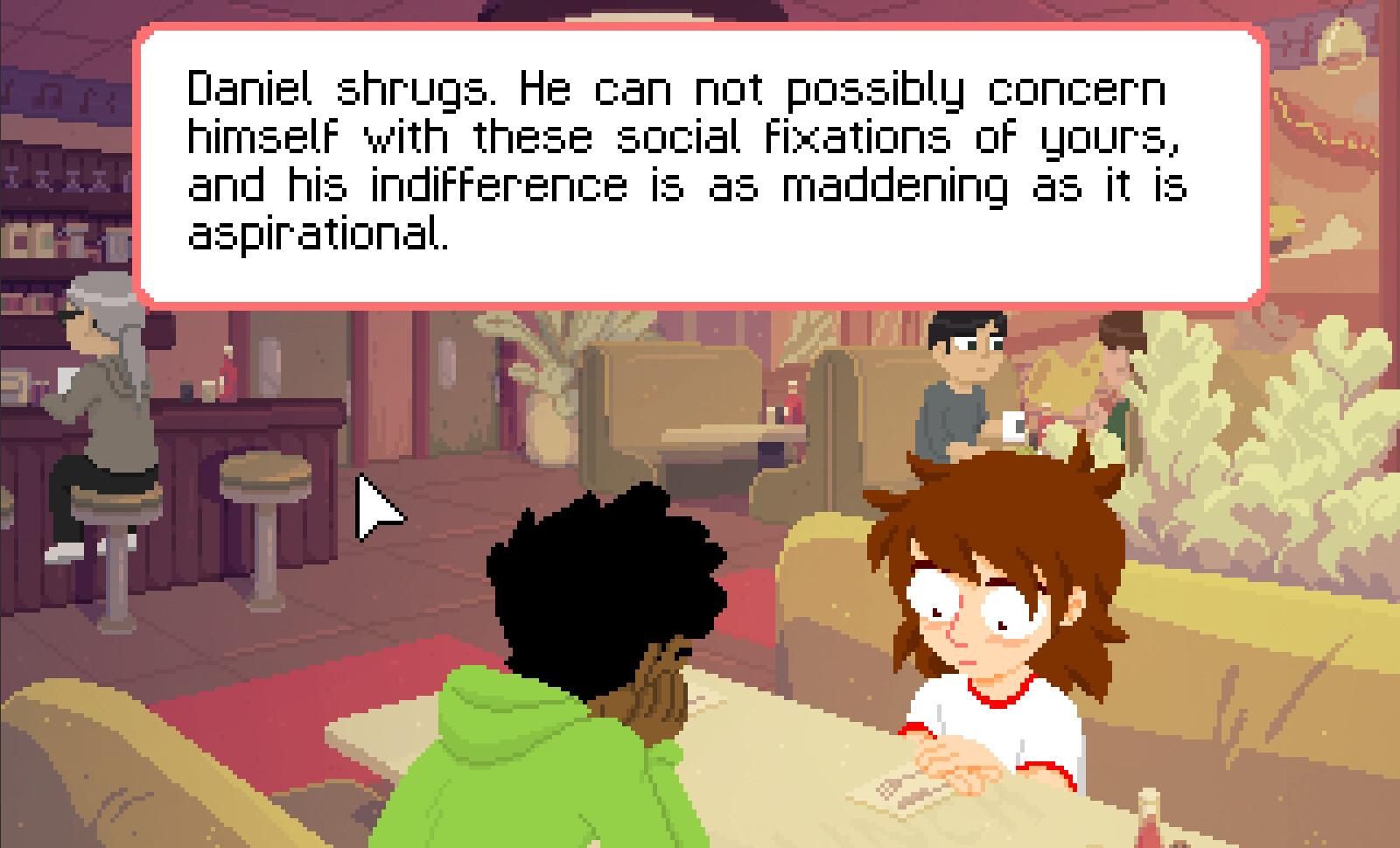
While it is more appropriately deemed ‘semi-autobiographical’, the dissonance between the fictional Mara and the real Meredith does not impede Station to Station from feeling brutally human. Mara’s journey feels like it is written by somebody gently recounting their life. Re-experiencing events that shaped and established them with sometimes brutal clarity. Mara is sweet, funny, and endearing just as much as she is brutally self-deprecative and condescending. It is an unflinching peek into the mind of another human being that forced me to reconsider choices I made as an awkward, socially unqualified 18-year old myself, and put me back in the driver’s seat for reliving some of my worst moments.
Station to Station is also unambiguously a game about art. As a creative writing student, Mara cares very deeply about the art she consumes and the ways that she internalizes it. The player is often asked to pick a book for her to read, which enhances her understanding of various elements of her life, a mechanicalized representation of how we inherit meaning in the media we consume, how it lives with us and ultimately becomes a part of us.
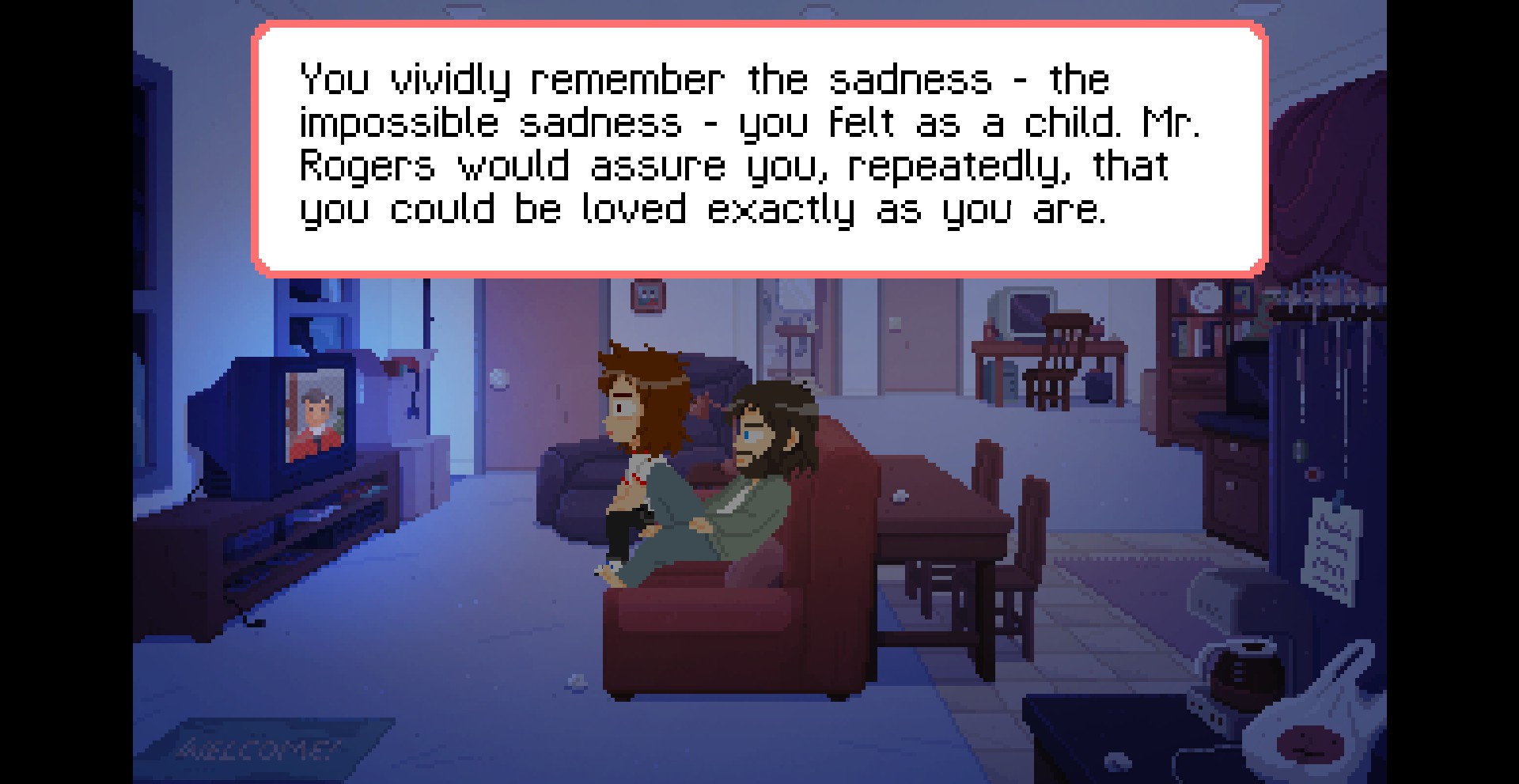
This is wonderfully conveyed through a scene in which Mara and her brother re-watch a scene from Mister Rogers’ Neighborhood, which takes on a surprisingly emotional meaning for Mara in her new adult life. It conjures guilt towards how she buried the news of the passing of the real Fred Rogers, as reckoning with the idea that somebody who – despite her not personally knowing – represented a place of comfort at a time in her life in which she felt alone and misunderstood, was too much for Mara to bear. The scene ends with this episode imparting her with the courage she needs to confront an almost impossibly manipulative boyfriend – “Discovering truth will make me free.”
By managing her complex romantic relationships, experiencing the highs and lows of her turbulent college year, and living inside her head, I feel like I came to know Mara Whitefish as an extension of my own understanding of the human experience.
Video Games as Gateways to Other Places, Time, and People
But Perfect Tides: Station to Station is just one example of many cases where video games can provide windows to real, lived experiences that we may or may not otherwise relate to. As previously mentioned, Consume Me follows a fictionalized version of its co-director Jenny Jiao Hsia, and recreates the existential nightmare of being a teenage girl with body dysphoria, conveyed through quirky, WarioWare like mini-games and a sketchbook style art.
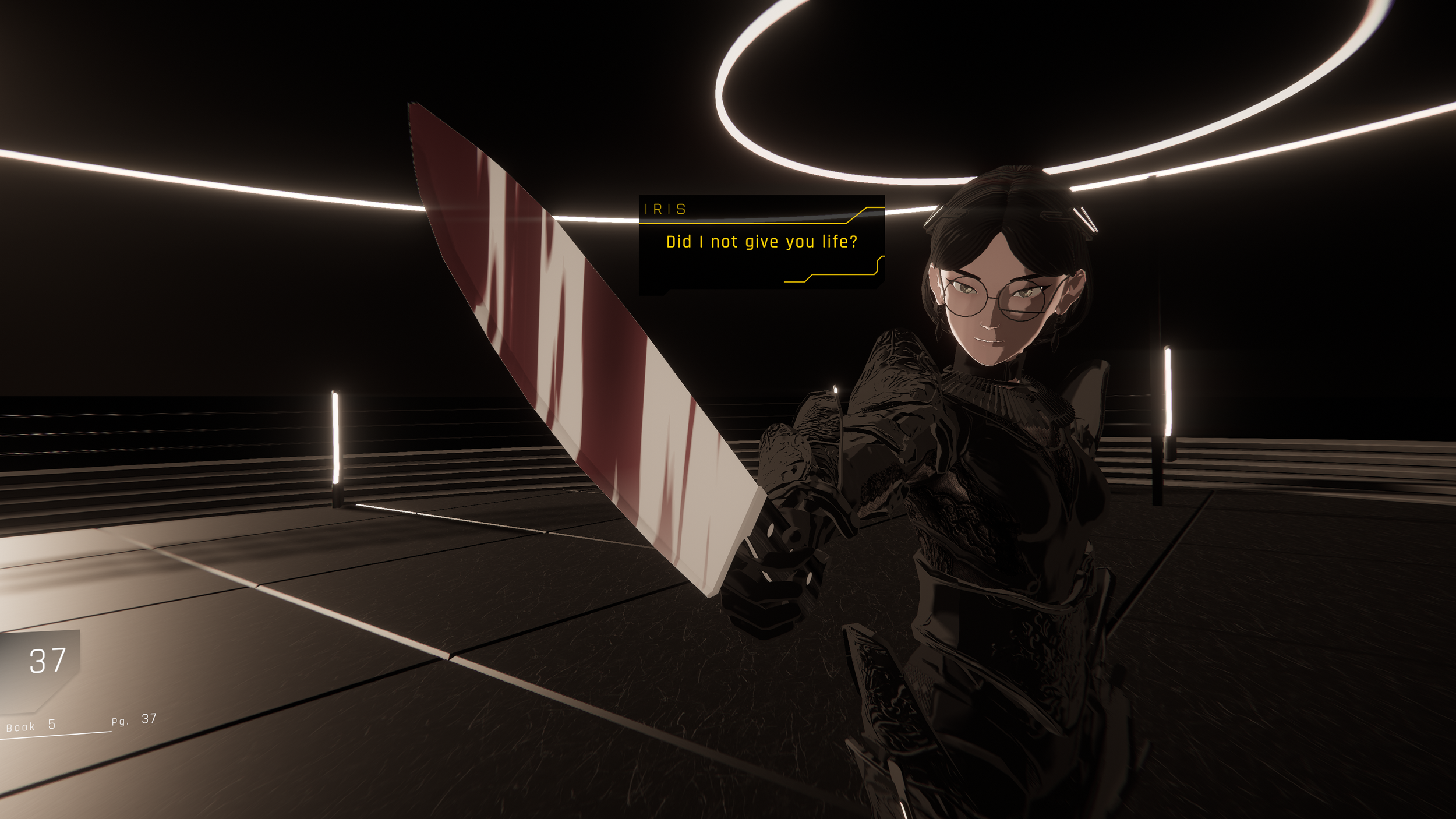
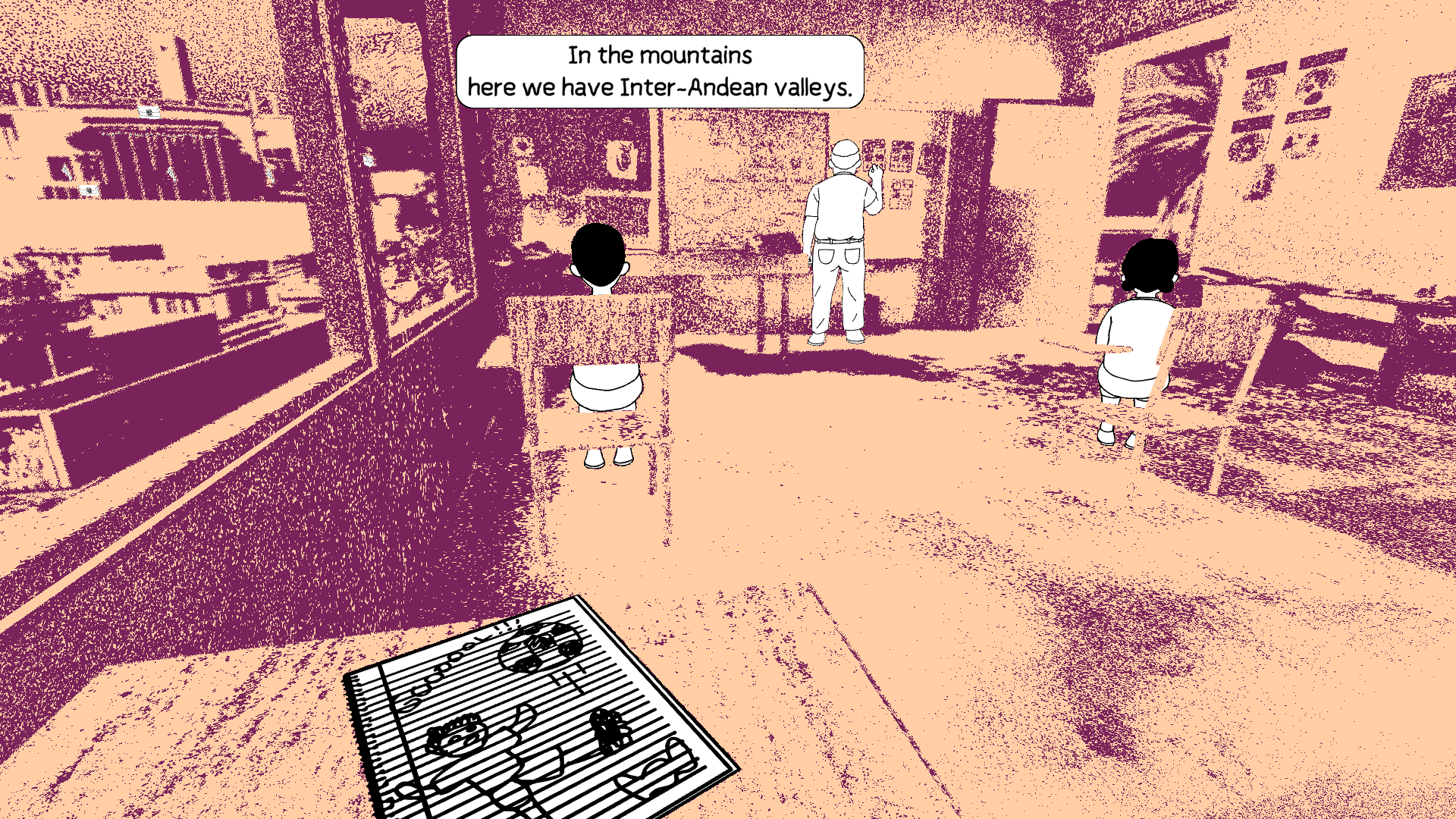
1000xRESIST is a hyper-fictionalized, science-fiction tinged analysis of generational trauma, grounded by a real-world rooting in the 2020 Hong Kong protests, making for one of the best and most dense stories in the entire medium. Despeloté is a gorgeous memoir of programmer Julián Cordero’s childhood memories of living in Ecuador during the country’s qualification for the 2002 FIFA World Cup. This takes the form of hand-drawn characters dropped onto photographic maps of the real world, experienced from the first-person perspective of Julián’s childhood self.
Video games have – and will always be – a human craft, regardless of how much of the medium and its accompanying industry are corroded by corporate negligence or unnecessary technological “evolutions”. These games trust the player enough to take away the spectacle, file away silly, archaic preconceptions that video games are required to be “fun”, and give us space to feel, ugly as those emotions may sometimes be.
As the video game industry continues to diversify and give voices to more artists from different walks of life, I’m excited to see where these experiences will take us next – and whose eyes we’ll be wearing.
What are your thoughts on the rise of autobiographical games? Let us know in the comments down below or by joining the Gamer Social Club Discord.