
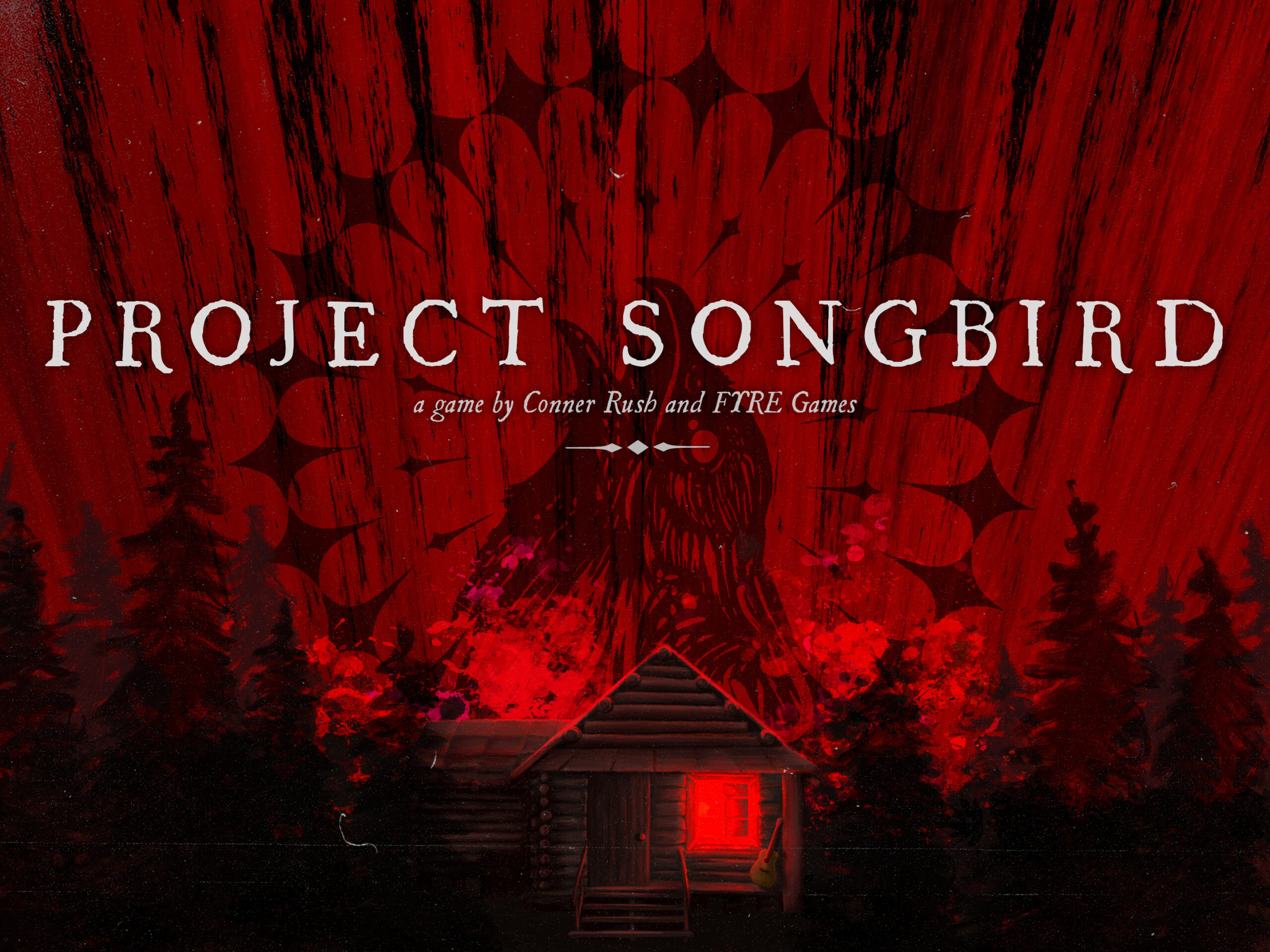
In the landscape of modern indie horror, titles often lean heavily on either visceral shocks or abstract, slow-burn psychological tension. Project Songbird, the latest offering from Conner Rush and FYRE Games, attempts to bridge that gap by delivering a personal story wrapped tightly in the aesthetic of atmospheric survival horror. Set deep within the remote Appalachian forests of West Virginia, the game follows Dakota, a musician who has retreated to an off-grid cabin to overcome writer’s block and record a new album.
Cabin in the Woods
Now I’m not particularly good with horror, which I suppose makes me quite a good audience for it. I’m not burnt out on jump scares, or immune to attempts build tension through limited resources and a fragile protagonist. When you first open Project Songbird the game thanks you for playing in advance and also goes over some of the things players may find distressing. There’s standard horror fayre – violence, swearing, death – and a very specific mention of suicide by hanging. I know some people aren’t huge on content warnings in horror games, but I appreciate this one specifically and given the event is referenced almost immediately upon the start of the game it doesn’t take anything away from the narrative.
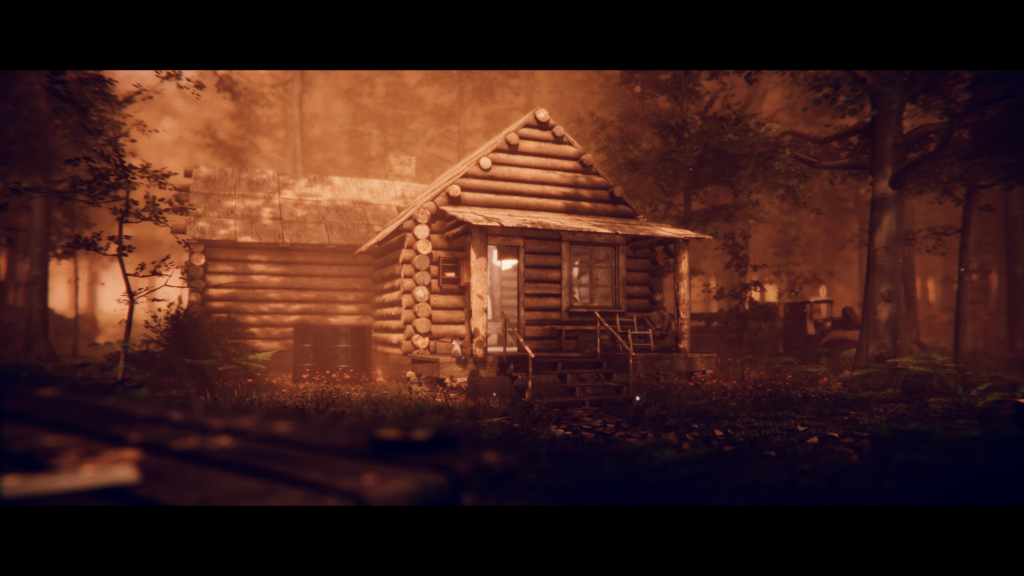
Project Songbird excels in setting up the story and shows a fundamental understanding of how isolation compounds. Using creativity as an outlet for grief is something that a lot of people will resonate with, but that outlet also being your job, and the output due to grief not being what your audience wants shows how environmental pressure and psychological burdens can easily warp perception. After leaving her rubbish strewn apartment, Dakota moves to the dense woods and the confines of the recording cabin, but she’s still alone struggling to move past something that everyone else seems to is happy to ignore.
The narrative isn’t necessarily new for horror titles, malevolent entities and warped versions of real life locations as a manifestation of trauma is pretty well trodden ground at this point, but the game handles the subject matter well and there are some moments particularly in the second act that kept the creeping dread going even in the “safer” moments.
Sights and Sounds
Given the game is about a musician, the music and sound design is appropriately a highlight. From the host of vinyls from small indie artists you can listen too each act, to the original songs mad for the game you can tell that a lot of love went into showcasing music, what it means to people and the people that make it. Outside of that the musical stings that play when Dakota finds something in the woods move deftly from curiosity to unease as you push her further into danger so she can continue to creat. The enemies shamble, creak and groan around rooms leaving you on edge for when they may appear, and there was more than one occasion when I really did not want to turn around for fear of what might be behind me.
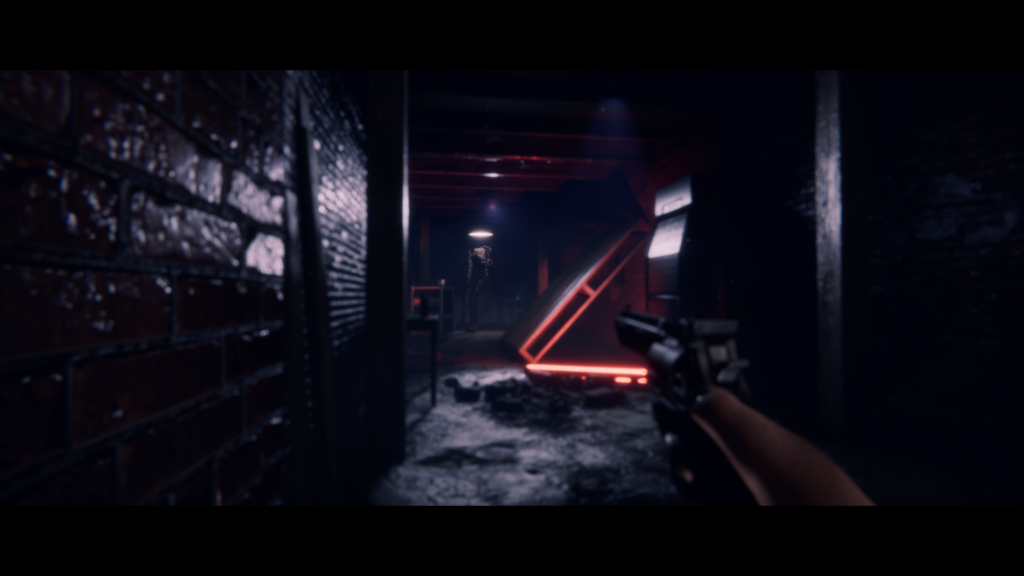
You should always look out for what may be behind you though. The game has a quick turn button that’s used to great effect in two particular sections. The first being a well deserved jump scare, that absolutely got me (thankfully, I live alone, so the sound I made was slightly less embarrassing), the second being a very stressful and well done sequence where again the sound design; Dakota’s panicked breathing, really piled on the tension and made me let out a massive sigh of relief when it was over.
I will say that some of the things set up for scares can be a little generic. There’s not a lot of different enemies, the most prominent ones being odd tree creatures that fit well with the setting and premise another being odd looking statues that are genuinely scary and work well in context of the story. on the other hand – there’s a lot of mannequins. A case can be made for them, in that there’s a big focus on art, painting and sculpture in the game but… at this point the are a bit of a horror cliche and I wonder if something else would have been better to keep the anxiety level high than room full of mannequins with flickering lights.
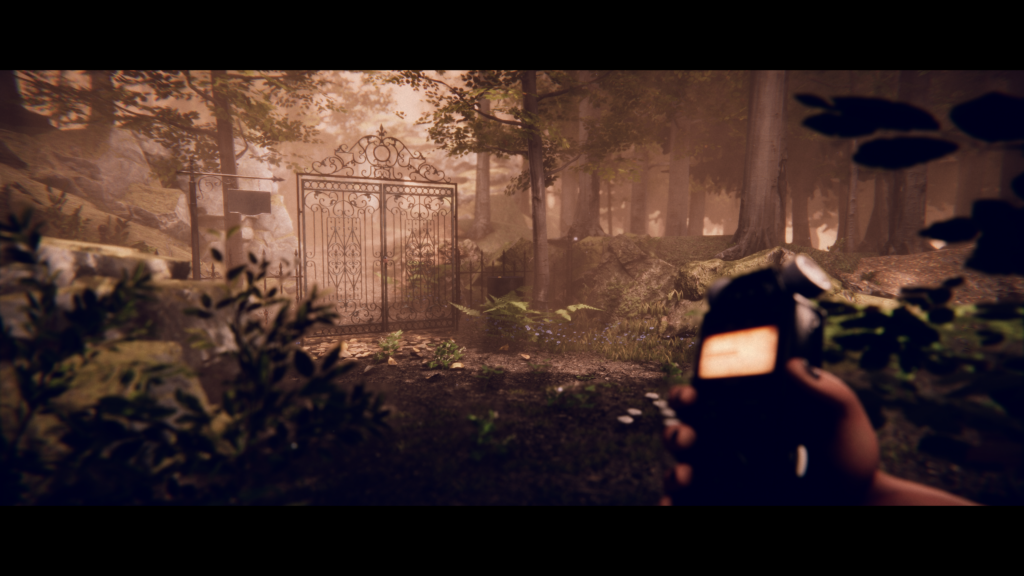
There’s also a few mechanics that could have been utilised a little better. You get a torch and have to pick up batteries to keep it one, but there’s not actually too many areas where you need it. For a horror title a lot of the areas are surprisingly well lit. The field recorded that you can use to record sounds as you explore the forest can also be used to detect enemies, but again the areas are pretty small and not terribly lit so I didn’t find myself using it too much.
Puzzling
It wouldn’t be a horror game without a bit of puzzling, and they are mostly done pretty well. There’s your standard “I need a key” best go and explore, alongside gather up the pieces for this alter or mannequin to progress. I especially enjoyed the puzzles involving pianos, where you had to spell out words to progress. They’re built into a larger set piece which I won’t spoil, but were good fun to figure out and execute. There were others that removed a bit of the tension for me due to frustration, however. I’m specifically not going to spoil much of the game in the review as it’s a short, fun experience that you should check out yourself; I will say though that having to backtrack around a level looking for places to use the radio, when there wasn’t much indication that I should in the first place really removed a lot of the scare factor for that section.
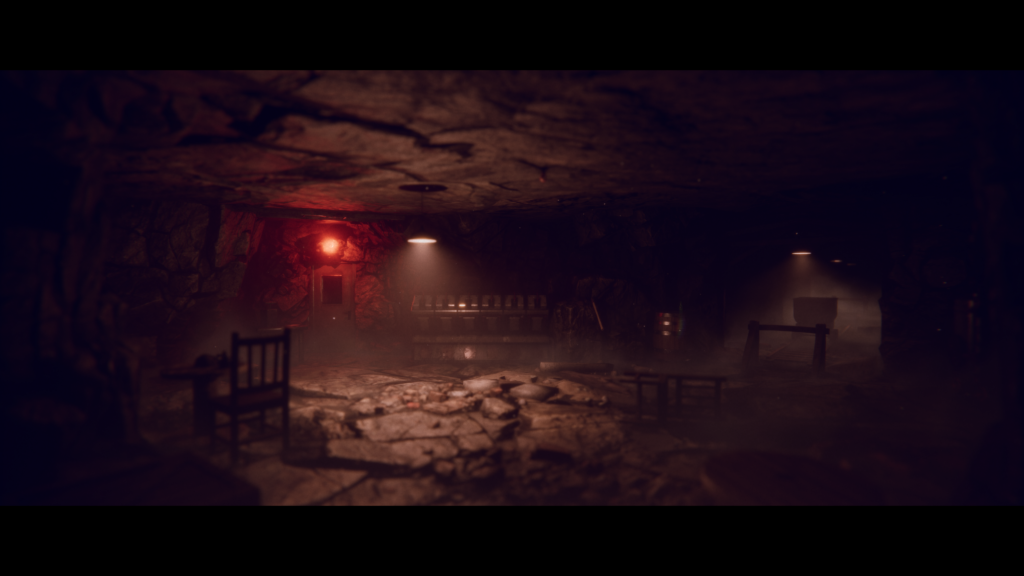
There’s also a few puzzling design choices here and there. Your axe can break, which is fine, but there’s no indication at all when it’s close to breaking and you can only fix it at a workbench, so have fun trying to escape a enemy and getting back to the one area you can repair it then traipsing back again. Resources are limited, as is standard, but they are super super limited, which made a later game area a bit of an exercise in patience as the enemy count rose. It’s a shame because up until that point enemies feel like specific set pieces, but plopping a too many in one (pretty bright) area and asking me to still be frightened due to numbers seemed to go against the slow considered dread the game had cultivated up to that point.
Final Thoughts
I mostly enjoyed my time with Project Songbird. The narrative is handled with care and earns its emotional weight without being spoiled here. The sound design and music deserves a lot of praise, and the voice cast and performances really sell the story being told here. However resource balance; bullets, painkillers, melee durability, occasionally tips toward overwhelming rather than tense. Some enemy encounters shift from scary into frustrating rather than maintaining dread. If you’re a scaredy cat like me, I’m sure you’ll also enjoy the roughly 5 hour journey into grief in the Appalachian mountains, and horror veterans might not get scared but are sure to get some fun out of trying to grab the no healing achievement as they stumble past mannequins and statues.

Project Songbird was reviewed on Xbox Series X. The game release on the 26th of March on PC, PS5 and Xbox Series X/S. Gamer Social Club would like to thank the devs and publisher for the code.