When juggernaut horror film studio Blumhouse announced that they would be opening a video game publishing label in 2023, I was initially very skeptical. While they do release the odd gem every once in a while, the studio is not often associated with the highest quality or creatively driven works. This skepticism quickly turned to pleasant surprise when the company announced its first slate of unique and exciting indie horror games, including last year’s charming Fear the Spotlight, and works from big names such as Sam Barlow and Brandon Cronenberg.
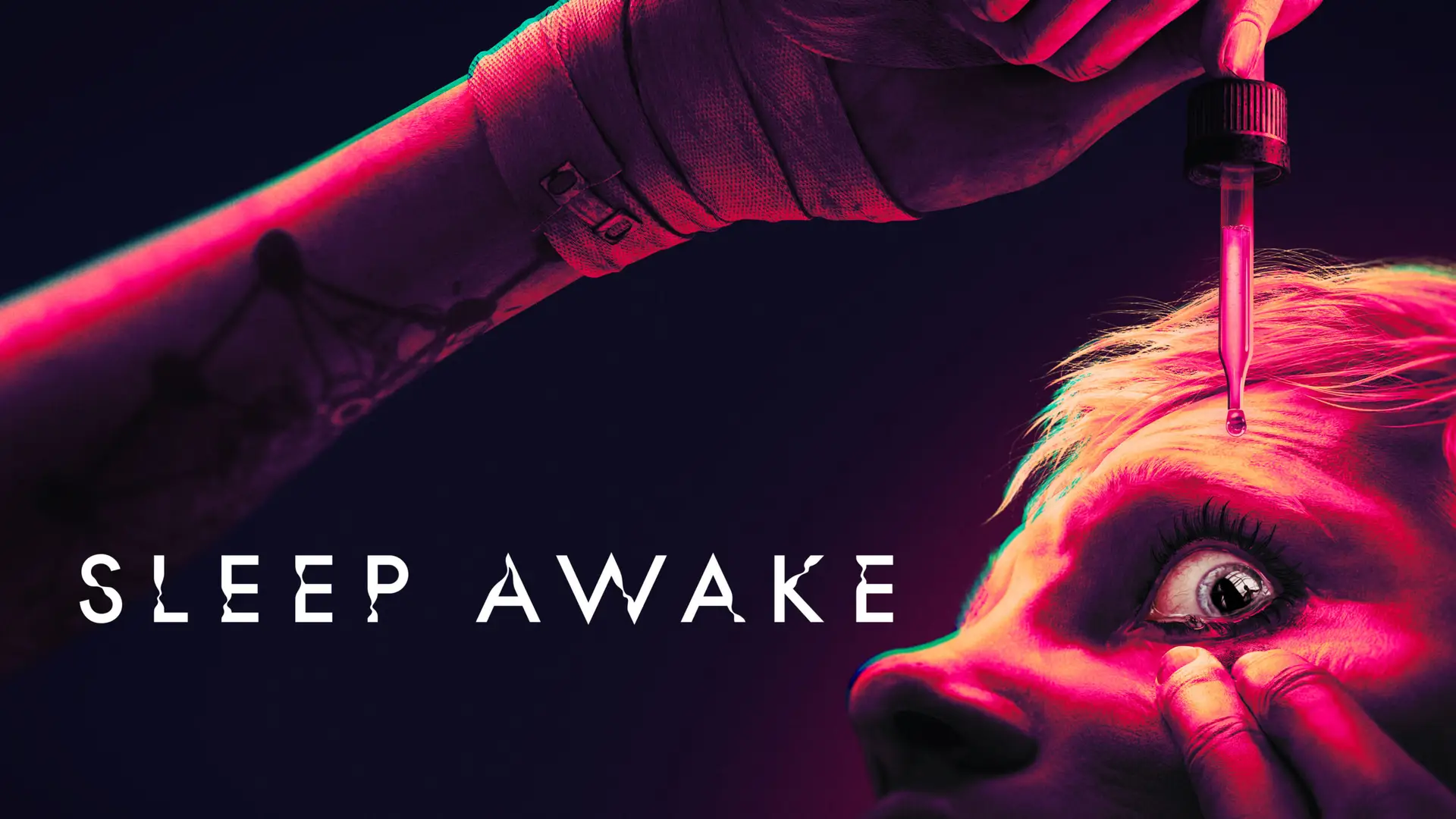
Sleep Awake was among these titles that caught my attention. A psychological horror game from Spec Ops: The Line director Cory Davis and former Nine Inch Nails member Robin Finck, this seemed like another surprising yet promising collaboration. While Sleep Awake lives up to this potential in many ways, it also feels as though developer Eyes Out is depending too hard on a sequel to really stretch their legs.
Narrative
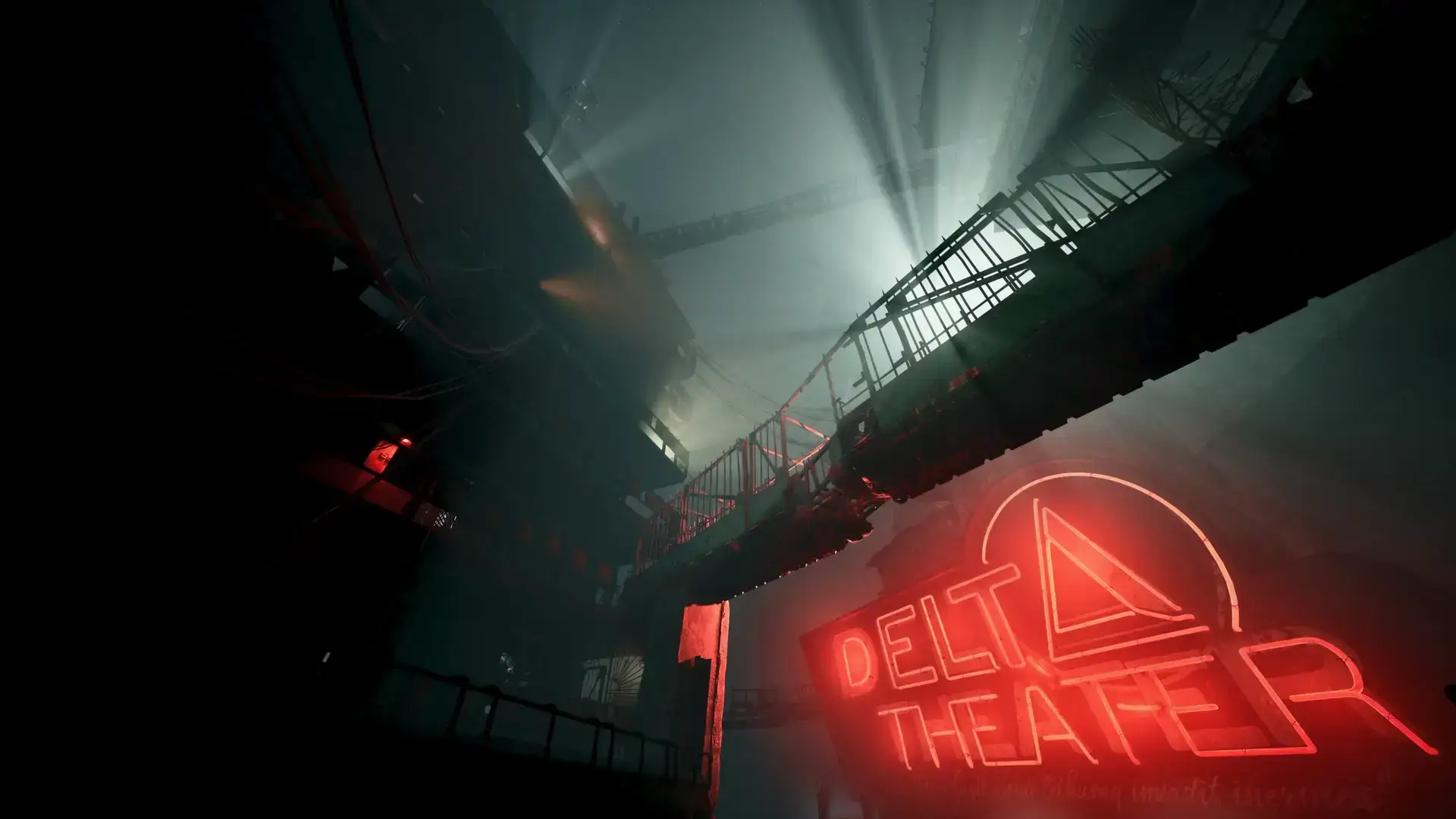
Sleep Awake takes place in a vaguely Eastern European-looking town known as The Crush after a cataclysmic event called “The Swell” resulted in mysterious entities taking people in their sleep, never to return. The game follows Katja, a young girl whose father and brother have been taken by “The Hush”. Her journey begins by setting out to deliver an infusion to her grandmother, the main method by which those unaffected by The Hush have managed to keep themselves awake, but what begins as a simple task eventually becomes a journey of peeling back the mystery behind The Swell, Katja’s father’s role as a somnology researcher, and the origins of The Hush.
While I was undoubtedly engrossed in Sleep Awake’s mystery for the entirety of my 7 hour playthrough, the game unfortunately sells itself short by offering so many questions without any answers, or even an intention of answering them.
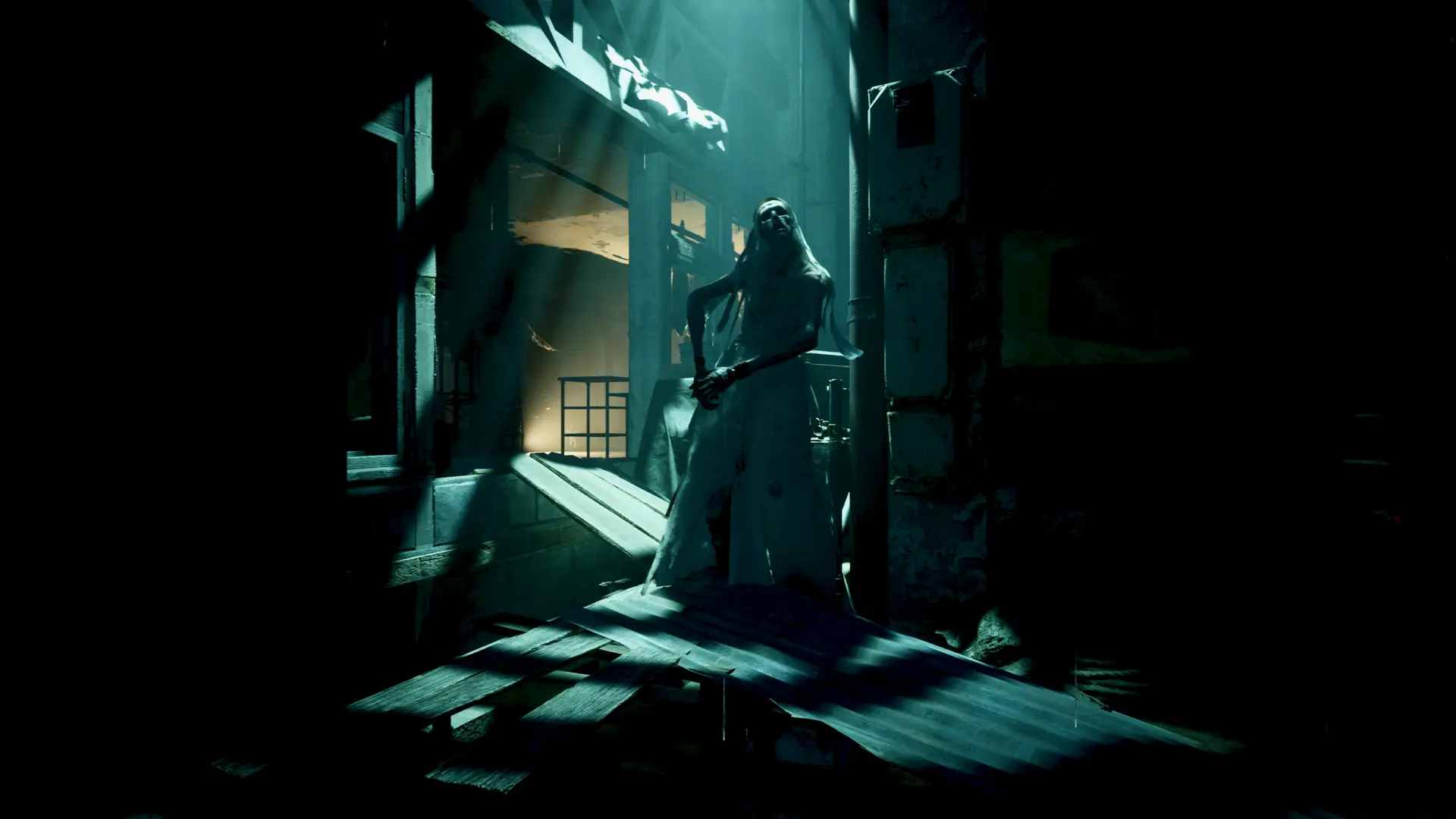
Without spoilers, in its final moments Sleep Awake makes it clear that this is just the first part in a larger story, a part that ultimately feels like the prologue to something far more substantial. Even observed alone, while there are a lot of interesting pieces of world-building and a strong setting, the credits roll at what should be the second act, not the conclusion.
This being said, Sleep Awake’s narrative highlights are when Katja is fighting against her natural urge to sleep, where tension is brought to the forefront and she is whisked away to a world between conscious and unconsciousness. Not only are these some of the most visually memorable moments in the game, but the psychological horror elements really shine here as we learn more about Katja’s childhood and her relationships with her father and her brother before The Swell.
While Katja herself is likeable as a protagonist and manages to at least partially complete an arc of growth by the game’s conclusion, her voice acting performance is often lacking in the right emotion for what the character is experiencing. Her dialogue during gameplay also frequently breaks tension with Marvel Cinematic Universe-esque quips and generic writing that feel out of place in a game that so often succeeds at its atmospheric goals.
Gameplay
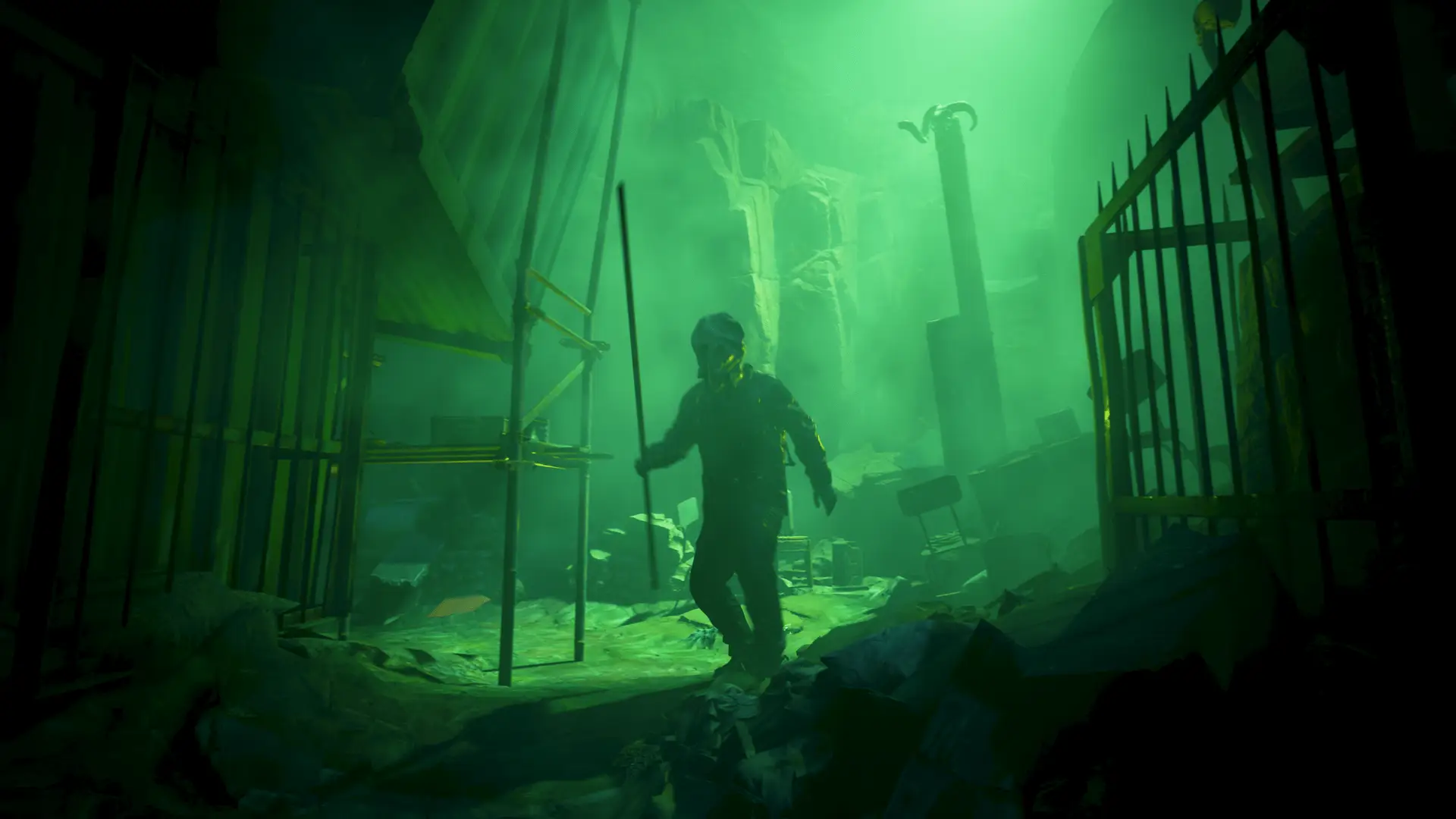
In terms of its gameplay, Sleep Awake is fairly standard first-person horror fare. The game features no combat and very linear level design. This is first and foremost a narrative experience, broken up by a handful of very simple stealth sequences. These amount to little more than hiding from enemies while navigating around their very simple patrol patterns and AI. While there’s very little depth to these sequences, they do contribute to the game’s surprisingly good pacing, breaking up the broader narrative and level traversal moments with an obstacle.
The same can be said for Sleep Awake’s puzzles, of which there are only a handful and they are all rather straightforward. Each puzzle mainly consists of looking for specific items in a given area and interacting with them or locating which glyphs on a device line up with those in the environment to unlock something. Again, these don’t feel like something Eyes Out is committing to for enhancing the gameplay experience, they feel more like breaks in the game’s pacing and therefore don’t approach outstaying their welcome.
Even the game’s dream sequences feature very few changes to this formula and retain the same familiar first-person controls without adding much in the way of complexity. There are a few collectables to be found including microfiche which contain lore and backstory logs, and Void Shadows, which are echoes of those taken by The Hush that Katja can help pass on.
Visuals & Audio
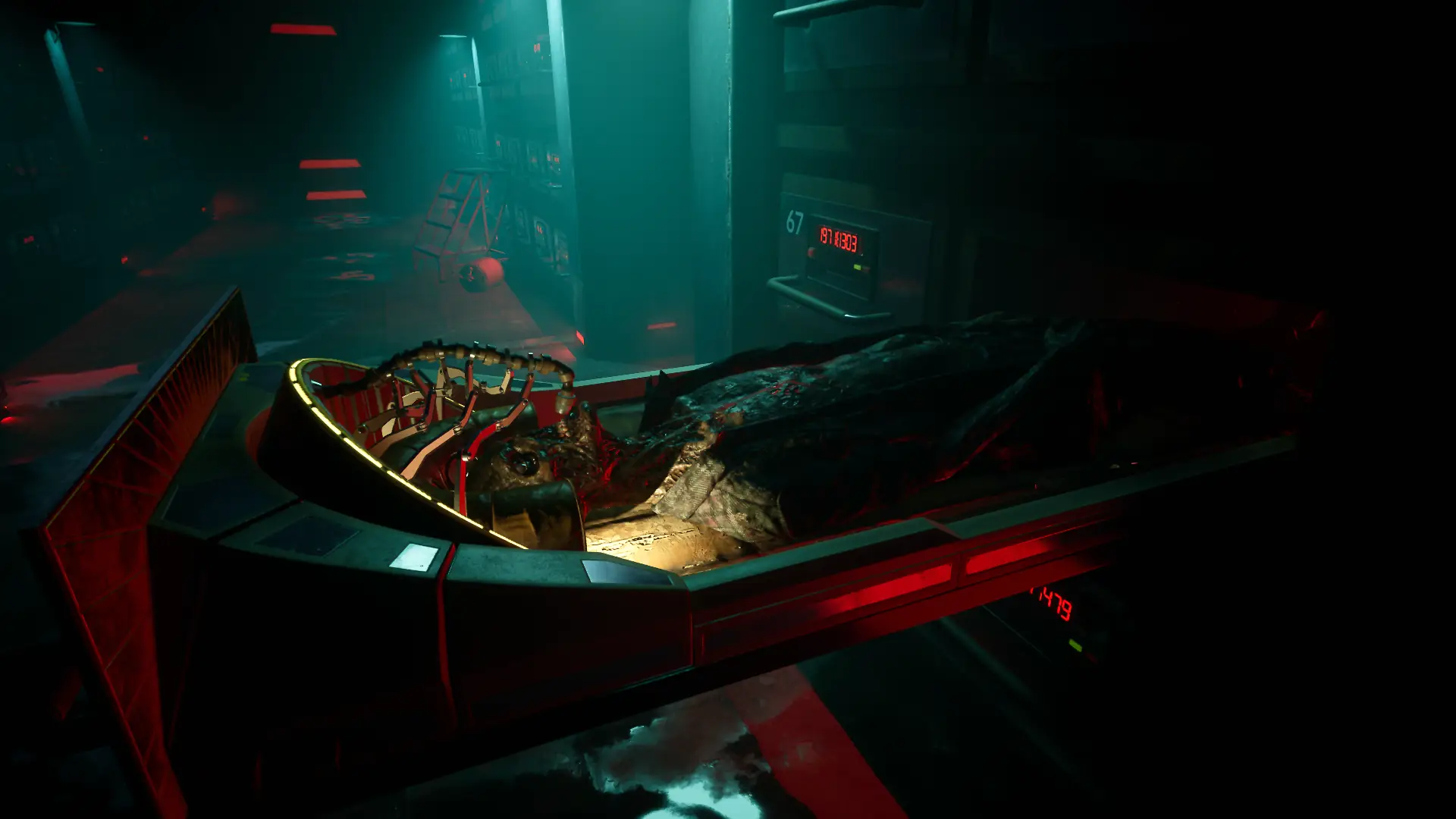
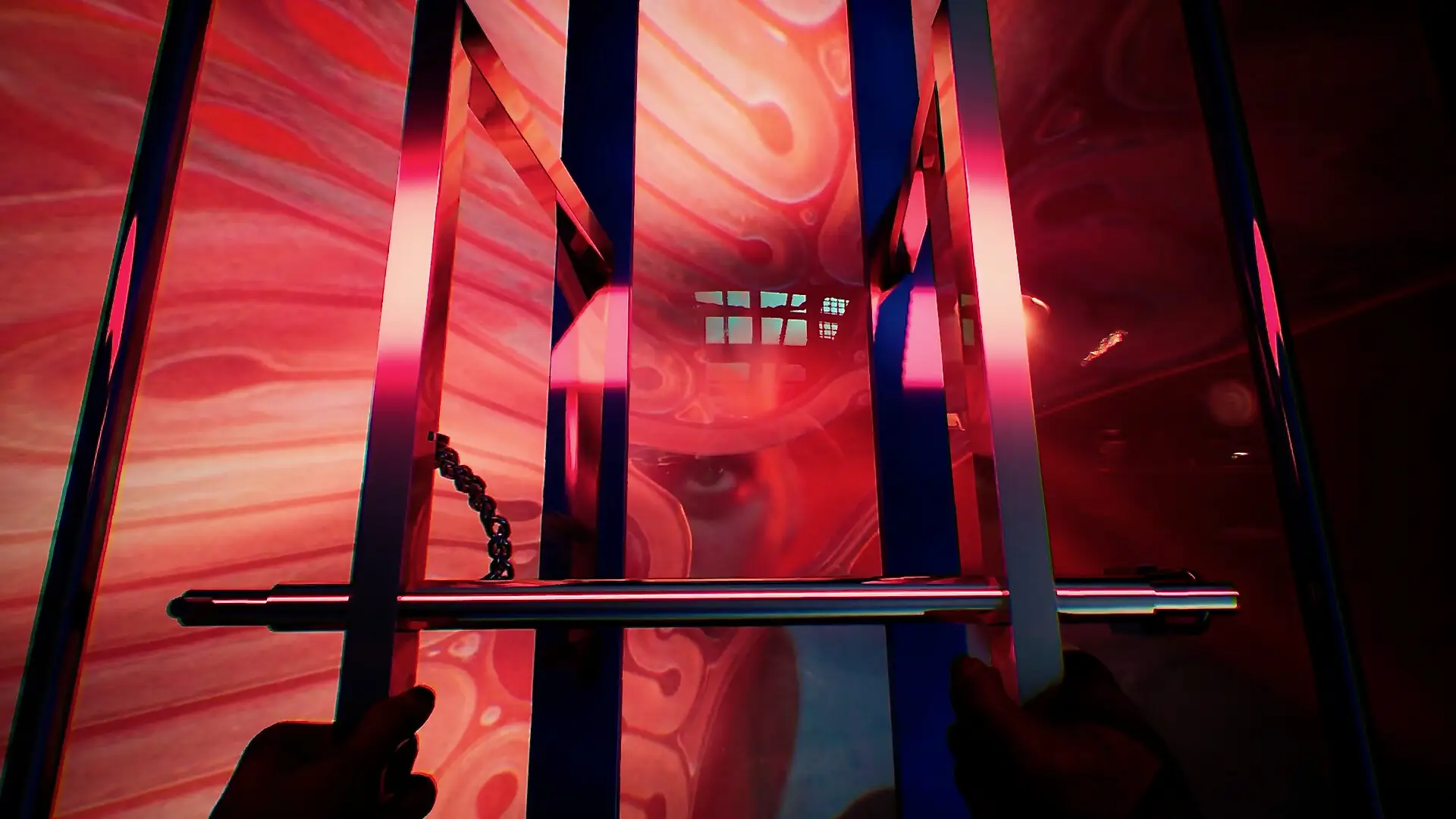
Sleep Awake’s strongest elements overall are its visuals and sound design, by far. While the game itself features distinct environments and art direction in its levels, with The Crush excellently representing a dingy, run down hellscape, the dream world and the transitions between it are a macabre visual delight, blending FMV sequences with gameplay a-la Alan Wake II. These moments, combined with a strong colour pallet, give the game a strong visual identity.
This isn’t even to mention Robin Finck’s incredible work on the score, packing in a dense variety of instrumentation and blending various genres. Even in a year with strong horror game soundtracks such as Silent Hill f’s and Cronos: The New Dawn‘s, I consistently found Finck’s score enhancing each scene and adding to the ethereal and unnatural atmosphere.
Unfortunately, there were a few areas in which Sleep Awake shows the limitations of its scope. While I did contend with a few bugs related to the UI and voices not playing, there are also scenes where it’s obvious that Eyes Out was unable to be as ambitious with character animation. There are very few NPCs and any that are part of the narrative are always kept a distance from the player to avoid collision. There are also major narrative beats that either happen off-screen or are skipped over entirely, including one in the final moments that feels like it could have been the basis for an entire sequel.
Conclusion
While there are many ways in which it plays things safe and shows the limitations of its scope, Sleep Awake has the aesthetic strengths to impress in the increasingly crowded first-person horror genre.

Sleep Awake is out now on PC, PlayStation 5, and Xbox Series X/S. The game was reviewed on PC.
Thank you to the publisher for providing a game code for this review.