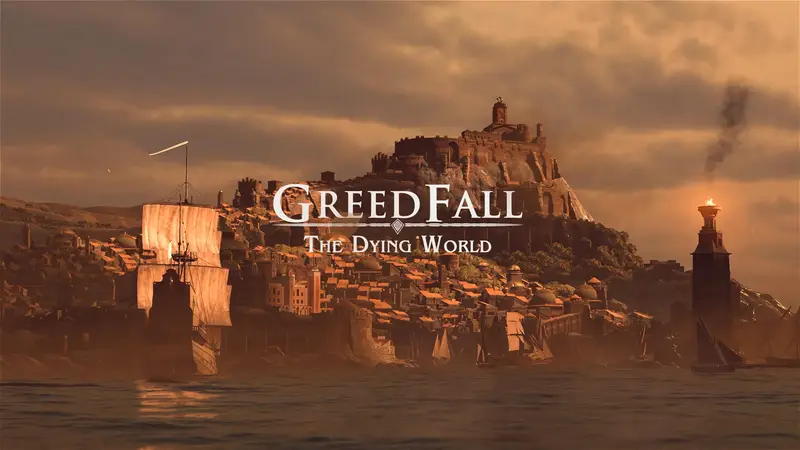
Spiders, developers of Greedfall: The Dying World, is an interesting team that specializes in creating RPGs set in original universes. My experience with them, prior to The Dying World, have been with Greedfall, Technomancer, and Steelrising. These games have always fallen, to me, in the category of: great ideas, good foundation, yet subpar to poor execution. I can feel the story they want to tell, perceive the game they want to make, but for some reason, they have problems with driving it home to the audience they want to sell it to.
Greedfall: The Dying World is a narrative driven, tactical RPG; the Dragon Age: Origins that we’ve been waiting for, but with technical issues that you could adapt to, or get completely turned off by. It’s going to be one of those games where the score is less important than the words within the review.
The Dying World
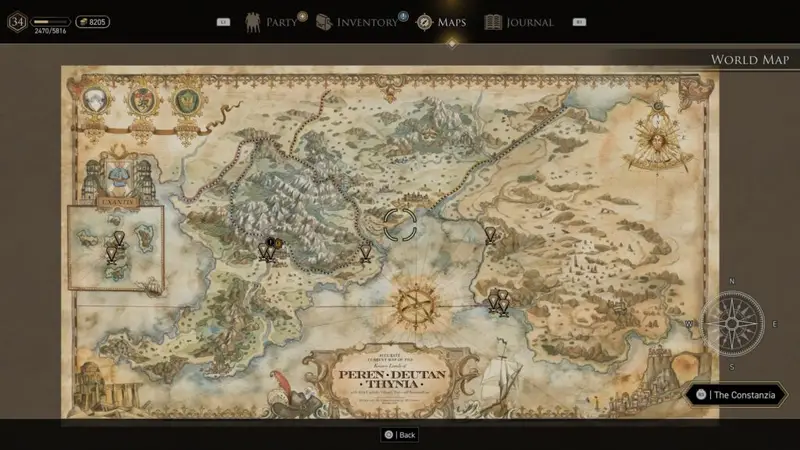
Greedfall: The Dying World is a prequel to Greedfall. While the first game focused on an already settled Teer Fradee and the search for the cure for the malichor, The Dying World is set three years prior; Teer Fradee is still mostly uninhabited by the modern world and the malichor is just beginning to spread.
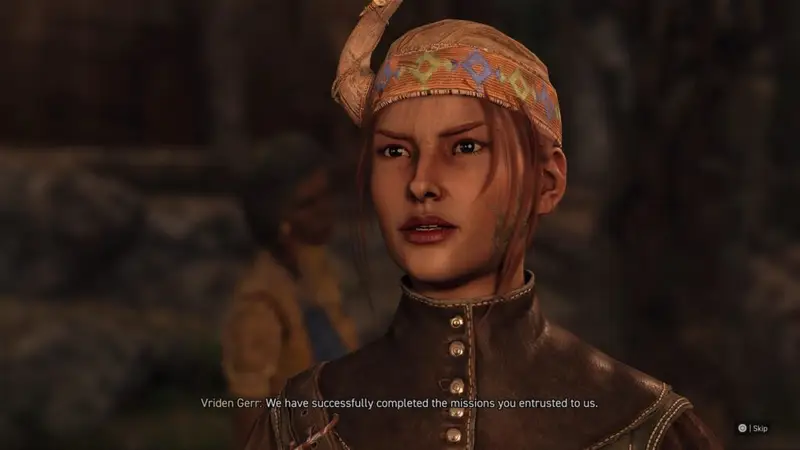
We play the role of a Teer Fradee native and future sage, Vriden Gerr, along with your best friends Nílan and Shéda. Due to circumstances, you’re forcibly taken from your home, forced to deal with surviving the old world, and maneuvering your way through political conspiracies and the malichor that is plaguing the people. During your adventures through the continent of Gacane, you’ll meet six other companions: Ludwig, Alvida, Fausta, Safia, Till, and Sybille (most are romancable, by the way).
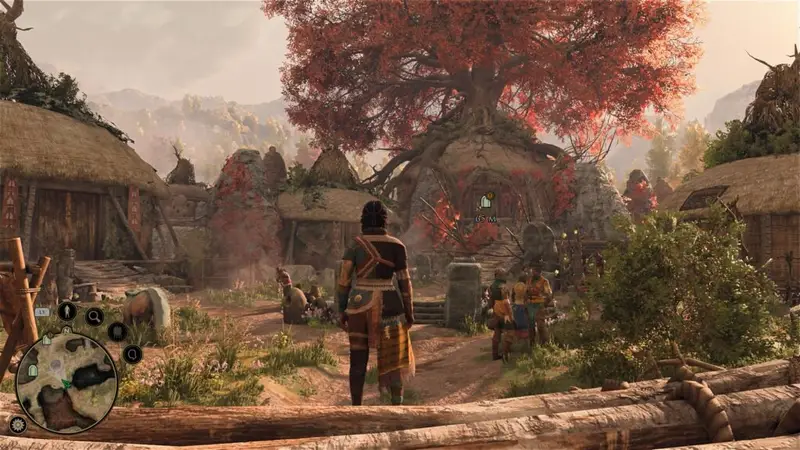
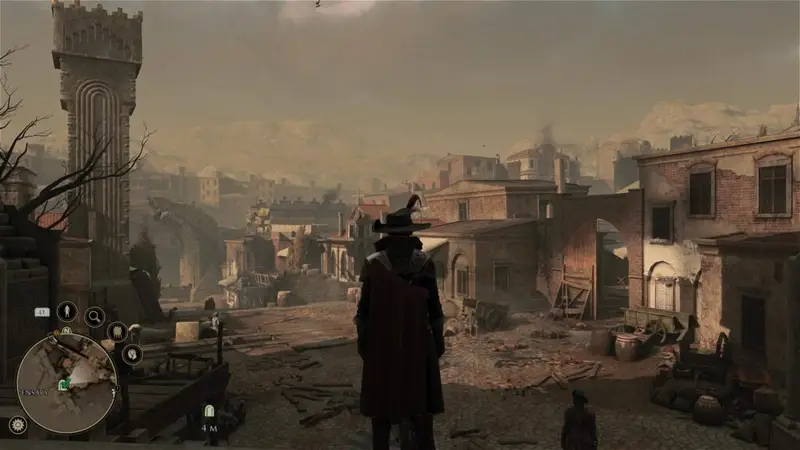
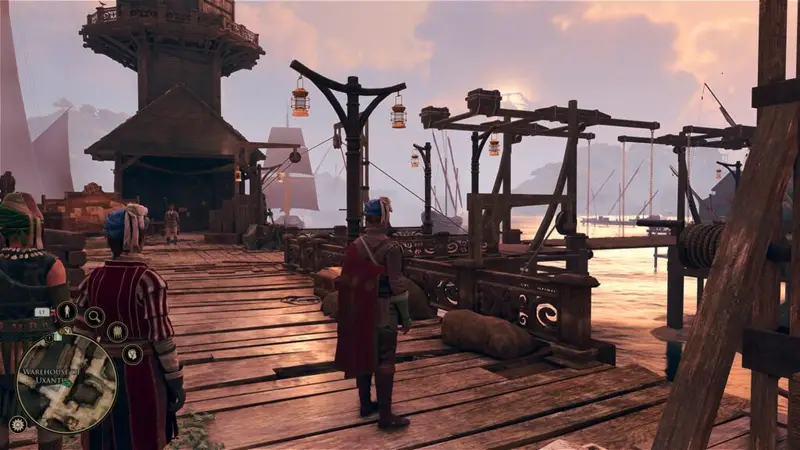
The setting and lore is heavily inspired by the Early Modern period of the 17th century; the era of new discoveries and conquest is beautiful and creates a rich and varied world. This is easily the best part of Greedfall: The Dying World. The lore and narrative is easy and interesting to digest and left me wanting to learn more. While it isn’t required to play the first instalment, fans of the original will find many familiar elements such as the many factions previously established in the first game. Your choices as you play the game will impact your reputation with these factions as well as how the game progress.
The bulk of the game can be tackled in a non-linear manner with the main quests, companion, and side quests taking you through many parts of the continent with the use of your ship, the Constanzia. This allows you control of the general pacing of the game and its storytelling.
An epic RPG full of options
I want to talk about my favourite part about this game. Many games will boast about the several ways you can tackle a quest or an objective. Often, they wouldn’t be lying, as there are actually more than one way. However, it is also just as often that these options are shallow: go guns a blazing, or go stealth. This is not the case with GreedFall: The Dying World.
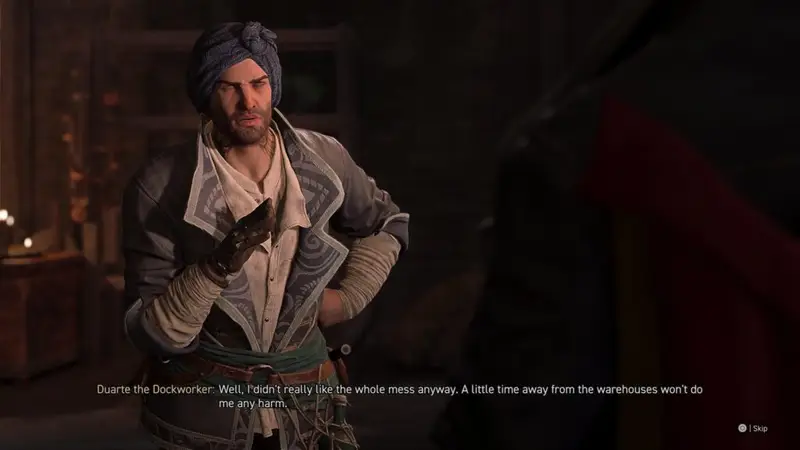
I’d like to tell you how by describing one of the early main story quests in the game (while attempting to avoid any spoilers). Early in the game, after leaving the first area called Teer Fradee, you’re tasked to meet up with a fisherman, who has, of course, been taken by baddies.
You can:
Attack the baddies, talk to baddies through diplomacy, or stealthy rescue the fisherman. Attacking them is the most straightforward, of course. Using stealth will require you to avoid the enemy’s gaze by hiding from bush to bush, as well as successfully rolling past the stealth check. Lastly, you can diplomatically ask them to release him. Doing so will require you to find them some treasure within some ruins.
Choosing the diplomacy route, you find ruins guarded by bandits that has the treasure you need. To enter the ruins, you can attack them head on, or, if you succeed in the Craftsmanship skill check, you can repair a ladder that will allow you access to the back of the ruins, letting you avoid the bandits and acquire the treasure you need to free the fisherman.
Alternatively, you’ll find a trapped sculptor. You can rescue him if you have a rope which you may have if you were diligent enough in your looting. Rescuing him will reward you with his gratitude as well as one of his finest work: a replica statue, a great work of art good enough to fool the fisherman’s captors.
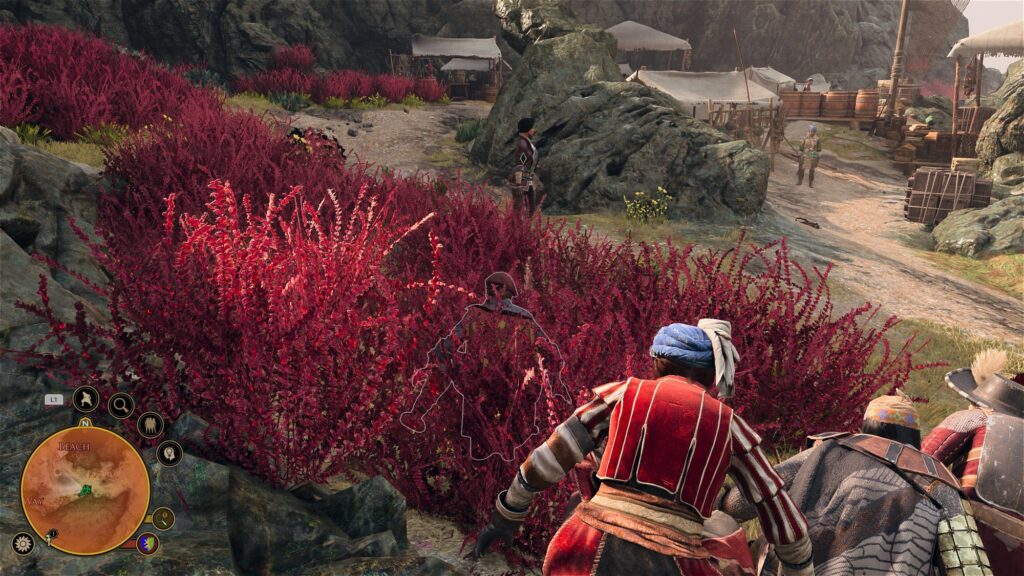
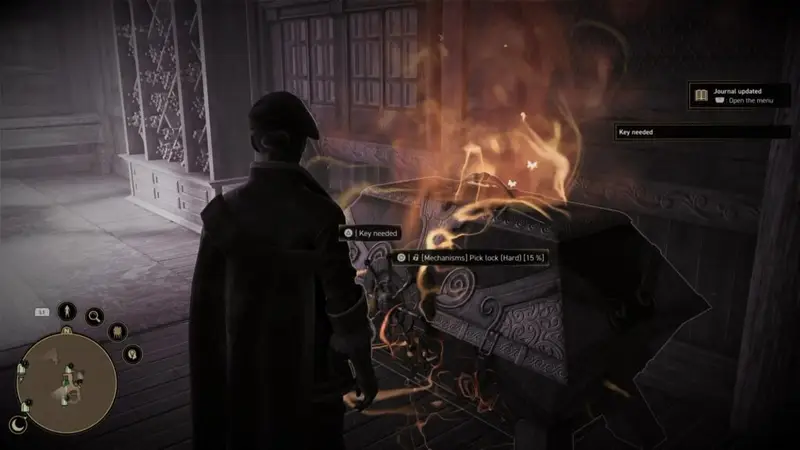
Many quests in The Dying World are like this. You’ll have the option to fight, talk, or use stealth. Luckily, the game allows for multiple save files, letting you easily replay areas, or succeed the skill checks through save scumming (but I totally didn’t do that… that would be cheating, right?) Later on in the game, you’ll even acquire disguises that will make maneuvering through opposing factions or restricted areas easier. Your companions will also give you benefits such as increased Stealth, Survival, Craftsmanship, etc based on your relationship level with them, which adds depth in how you strategically tackle each situation.
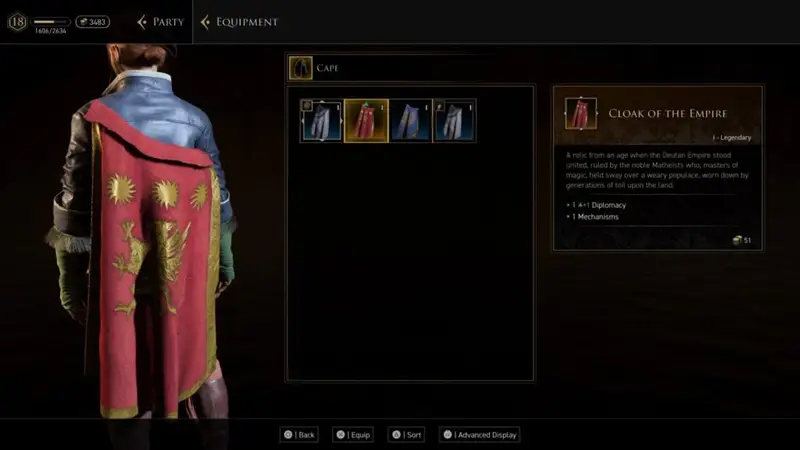
This RPG aspect is what makes The Dying World shine, and is probably what we’ve been looking for in these grand adventures.
Modular Tactical Battles
While adventuring through the world of GreedFall is easily the best part of the game, its battle system is just as important. However, this is where much of the frustration in the game can come from as well.
The Dying World has a potentially deep tactical battle system that is annoying to maneuver. You have the choice to tackle battles in three main ways: Tactical, Hybrid, or Focused. Focused gameplay offers an experience centred on your character while Tactical mode allows for comprehensive experience in character management and combat. This creates a higher learning curve with more buttons to worry about.
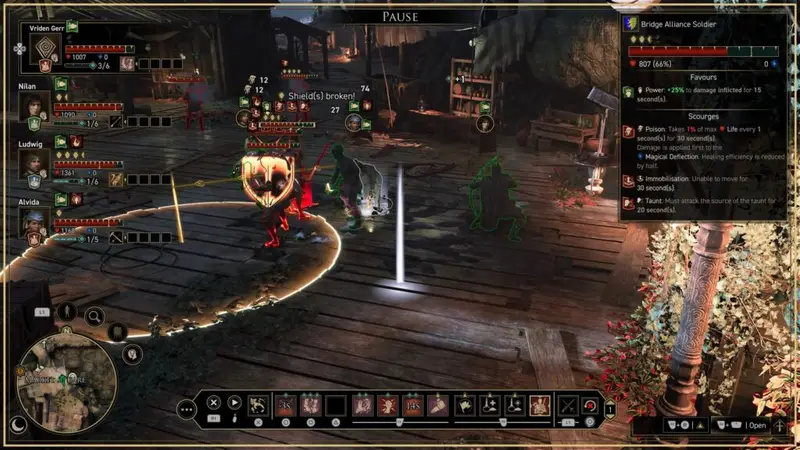
I opted for Tactical, as I wanted that Dragon Age: Origins experience. You have skills you can stack for each of your party members that requires action points to use. Each of these actions has a cooldown, so planning when to use what skill is crucial. You’ll also want to ensure that you have a party member (if not yourself) that focuses on tanking and taunting as well as healing. Tactical gameplay will allow you to tell each party member what to do at any given time, often needing to press the pause button so you can react to whatever is necessary. Luckily, it isn’t the kind of game where you will encounter many battles, therefore taking your time to play tactically isn’t overly tedious.
Unfortunately, controlling the battles is inconsistent and often buggy. Tactical gameplay means telling the party what to do, where to move, who to attack, who to heal, etc. And doing this does not always work. The cursor will sometimes appear out of the screen, leaving you wondering who or what you’re targeting. The camera sometimes won’t follow the cursor, so attempting precise targeting so you don’t accidentally attack your own party members with bramble that immobilizes them (a debuff or scourge that keeps them from moving or using any skills) becomes a difficult task. Sometimes using the directional button instead to target enemies or party members won’t work as for some reason it isn’t targeting the one person I need.
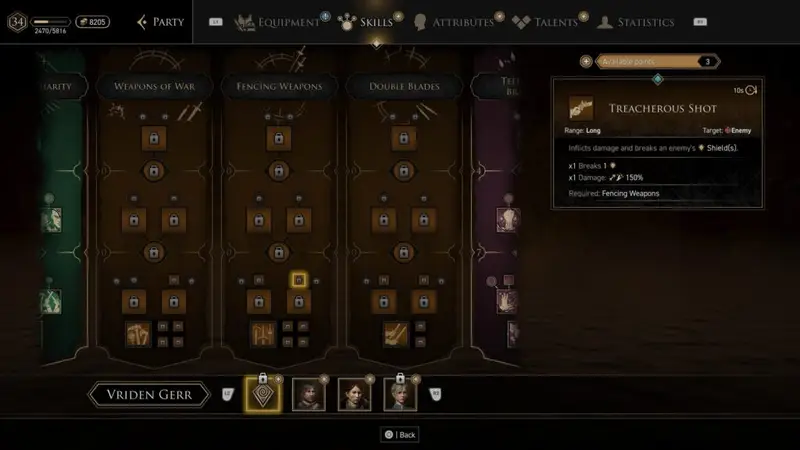
In The Dying World, your main character has the option to learn skills within three main roles (tank, heal, damage) and seven weapon types ranging between melee, magic, and range (bows, rifles). This allows for varied gameplay and builds. Choosing the Path of Charity that focuses on healing and support, then choosing Rifles for example, can allow you to throw healing from afar, all the while dealing damage through tossing grenade consumables, which doesn’t consume action points so you can focus on using them to heal your party members. Alternatively, choosing Path of Protection alongside Rifles will allow you to do the same with enemies, taunting them, forcing them to come to you as they fall prey to your traps.
This is fun to do. Unfortunately, maneuvering through your skills during battle can become cumbersome. You’re allowed a decent amount of slots for your actions and items, however, it is cumbersome to organize and get to. Not only is scrolling through it is slow, but you can only organize them on the field, and not in your skill or character menu. Now imagine doing this for yourself and your other party members.
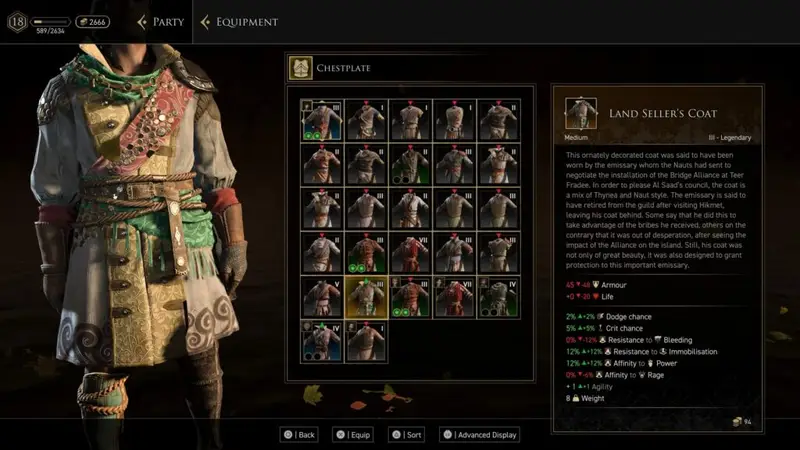
These are little problems that I can adapt or come up with ways to squeeze myself out of. However, they can add up, causing me to sometimes dread moments where I have to fight enemies. It’s a janky system that isn’t always broken, and will often only last the duration of the fight, but may be enough to sour the experience. It is possible, that it could also be controller, console peasant problem that mouse and keyboard folks will have no issues with, but I sure did.
Features
Just as the gameplay has several options, The Dying World also has decent number of options to toggle through. I played this game on my PlayStation 5 Pro on “Favour Graphic Quality” visual option. It also has a “Favour frame rate” option, however I found that the picture looked a bit fuzzy in this mode. Also, the frame rate in graphic mode was stable enough that I’d rather experience the beautiful world.

And the world is indeed beautiful. Unfortunately, it can’t be fully appreciated due to its lack of photo mode. I understand that it isn’t a necessary feature, however the world is one of the things they did best. Another thing they did really well in is the game’s sound. It was composed by the same person that did A Plague Tale and Dying Light 2 and captured the duality of the Old Continent as well as the native beats of the island. I spent some time just vibing with the sound that accompanied the game’s early tutorial, or the hauntingly solemn title screen.
A Game with Character

I forgot to mention: did you know that they made a whole new language for GreedFall: The Dying World? It’s called Yecht Fradí. While this language was present in the first instalment, this new language plays a much bigger role in this game as you play a native of Teer Fradee. In fact, most of the prologue is voice acted in this language! I mentioned this, because this is the depth of the original story that the people at Spiders wanted to create, tell, and immerse ourselves in.
GreedFall: The Dying World is a game that built upon the potential of its predecessor, and in many ways, it succeeded in this. They created a game that many RPG fans have been aching for: storytelling, choices, and world. Unfortunately, the tactical experience, while good, was lacking in finesse. The game spent 18 months in early access, and I believe it was time well spent, on PC. The console experience had much to be desired, but nothing a few patches can’t fix, I hope.

Greedfall: The Dying World was reviewed on PS5 Pro. Gamer Social Club would like to thank the developers and publisher for the code. The game launches its full version on March 12, 2026, for PlayStation 5, Xbox Series X/S, and PC.