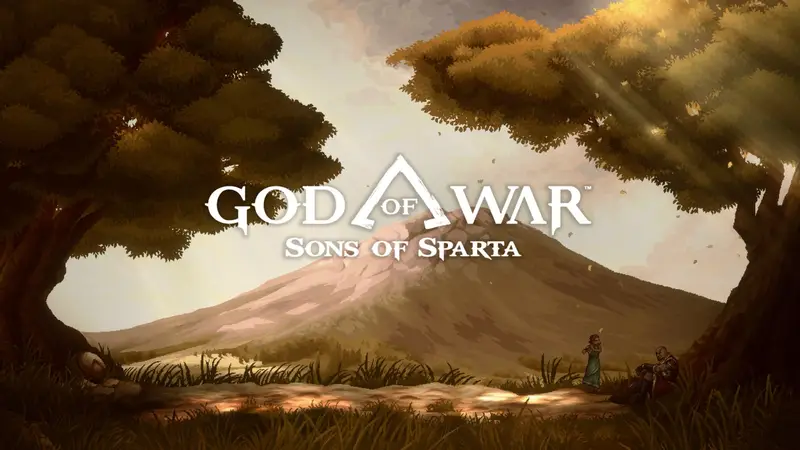
God of War: Sons of Sparta is a game that has been alluded to for a while now. A 2D metroidvania game set in the God of War world has been a topic that many fans of both the IP and the genre have been talking about. In PlayStation’s February 2026 State of Play, the game was shadow dropped.
While people in tune with social media may not have been surprised, the rest of the PlayStation gamers were probably confused. “What is this?” And “Who is this for?” While the metroidvania genre is numerous, especially in the indie scene, it isn’t really AAA staple, with only the most popular titles one could consider a “household name”.
A Canon Origin Story
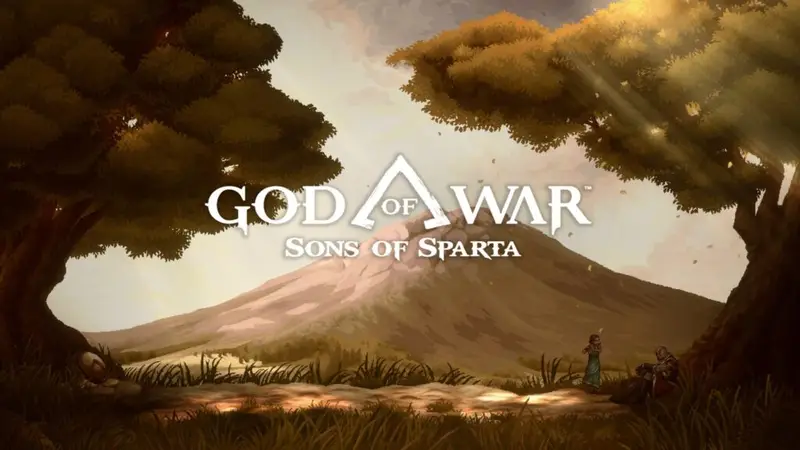
For PlayStation, Kratos the God of War is relatively well known and is synonymous to PlayStation. We’ve seen him transition from hack and slash in the original God of War trilogy entries, several spinoffs, then rebooted in 2018 taking place in Norse mythology instead of Greek. This time, in Sons of Sparta, we see Kratos in his teenage years as the story is told by his older self, to his daughter Calliope.
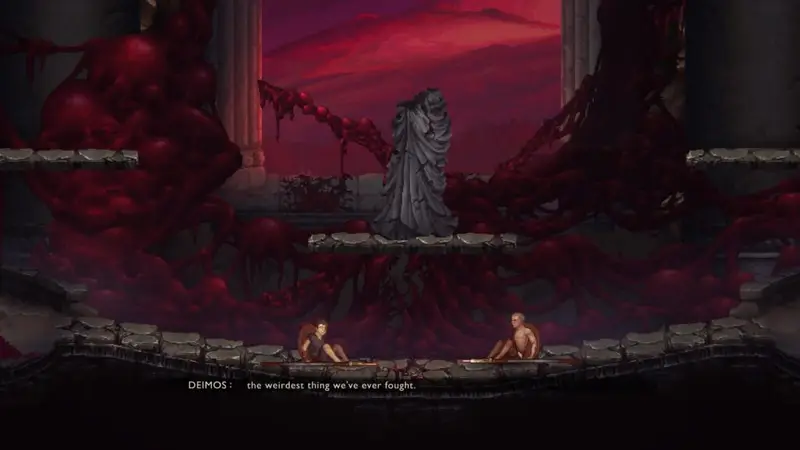
The story revolves around Kratos and his brother Deimos and their adventures and training as cadets. As they do their tasks around Sparta, they embark on a journey to save another cadet that most everyone else has given up on. This takes them through the many regions surrounding Sparta, encountering many dangers and lessons along the way.
The main themes are family, brotherhood, piety, strength and how Kratos struggles with balancing all of these themes.
Overall, the narrative is passable. The entertaining parts are the back and forth between the brothers and the small chats they have between each other and other NPCs that stop by their campsites. The overall goal of finding Vasilis is just the means to the end of Kratos realizing what’s important to him.
A God of Metroidvania?
I described the gameplay elements in detail in my first impressions. Most of what I outlined there remains the same as I played through. In short, it is a marriage of the God of War reboot’s weapon and adventure system in a 2D world. The platforming, puzzles, as well as the gear and skill progression found in the reboot are present in Sons of Sparta. In retrospect, metroidvania is the perfect genre for God of War’s foray into 2D.
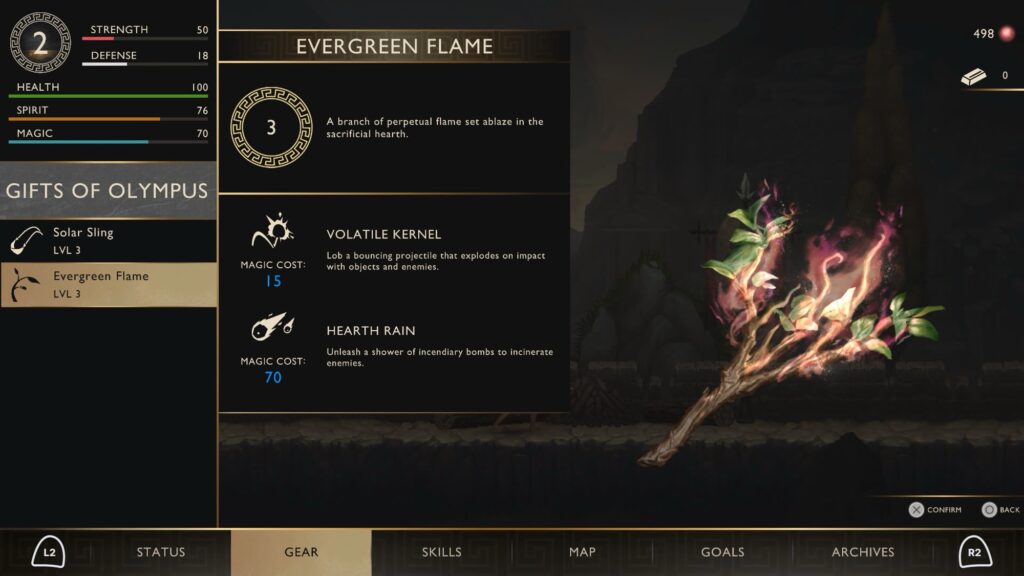
If you are unfamiliar with the metroidvania genre, it focuses on a non-linear map progression, with places often blocked by an unlockable traversal ability or tool, such as double jump, wall climbing, etc. You’ll need to progress into the story until you receive the ability, then backtrack to those areas you couldn’t go to before to unlock treasures you’ve missed, paths you couldn’t take, and continue the story. Fiddling with the map, placing map markers to remind you of these obstacles you’ll need to come back to, is all part of this genre. All the while, performing platforming stunts, fighting enemies, and killing bosses.
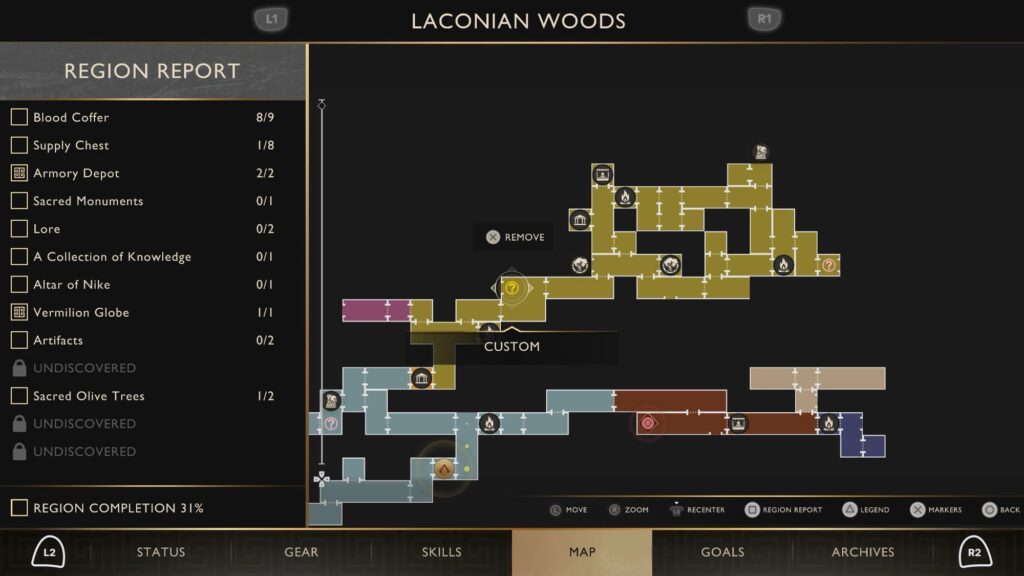
In my first impressions, I was quite hopeful, doe-eyed, and was enjoying my time even if it was going a bit slow. Now, earlier in my introduction, I asked “who is this for”? The reason why I asked this is due to the game’s unusual progression. The first quarter of the game is slow with little to show for it in terms of character growth, quests, equipments, resources to upgrade the equipment, and abilities to traverse the world. For newcomers to the genre, this could be extremely jarring. Especially since many people may jump into this since they are fans of God of War, and have been salivating for a new entry. The game gives you little direction, which could make the game difficult and boring.
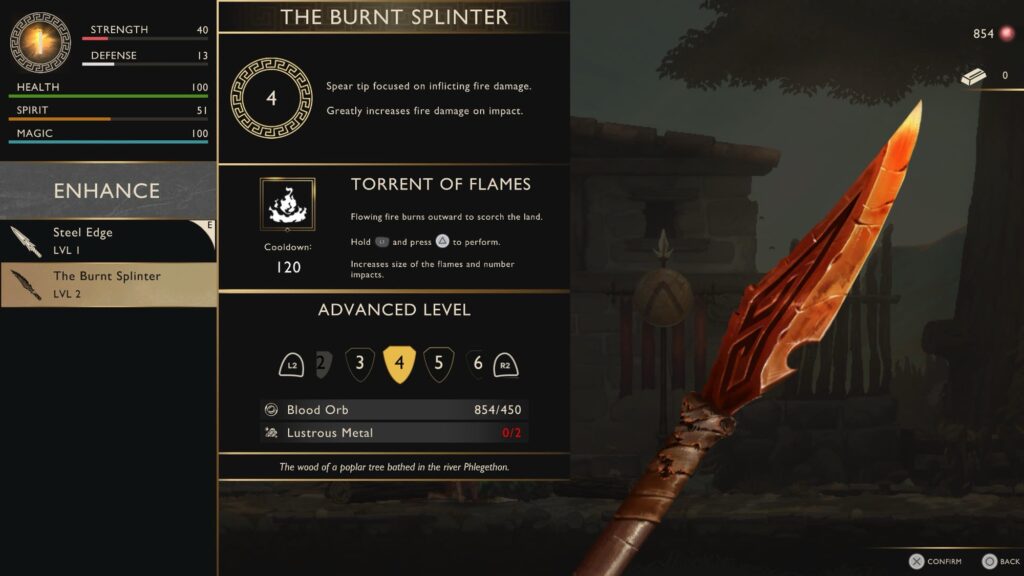
However, fans of the genre will know the importance of back tracking when they receive new abilities to traverse the world. Manipulating the map to ensure nothing is missed. Those who play Sons of Sparta in this manner will be rewarded with better stats, more materials, etc. However, this makes the game extremely easy. This could be a good thing, because this means your hard work and diligence paid off, however, this diluted my experience with the world, and its enemies.
While I received plenty satisfaction with discovering every nook and cranny of Laconia, I also love metroidvanias and have cultivated the patience that goes along with it. This part of the game, I thoroughly enjoyed, even during the slow beginnings. However, I also enjoy a challenge and while I perceive myself as a not-so-great-of-a-gamer, I managed to defeat most bosses in 2 or less tries. Again, this is unusual for me and made me wish that I played the game on Spartan (hard) difficulty.
Perhaps it was the RPG gamer in me that made it fun to create a “build” that worked well, allowing my hard work to pay off? Regardless, due to this game being easy, I ended up not caring about boss mechanics, regular enemies, or traps around the map. I could brush off standing on fire, let an enemy hit me, and a boss slap me around without much consequence.
The World of Laconia
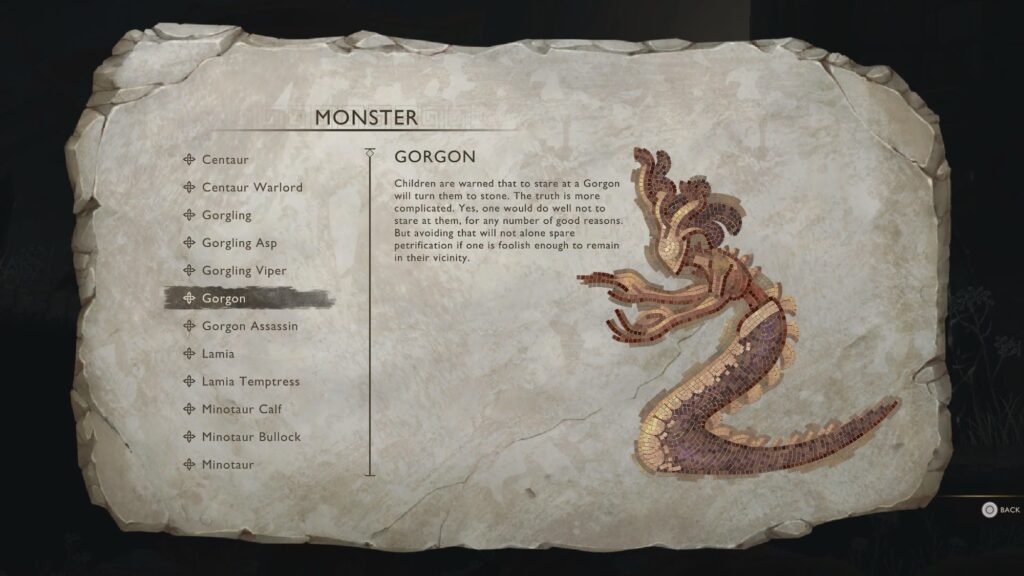
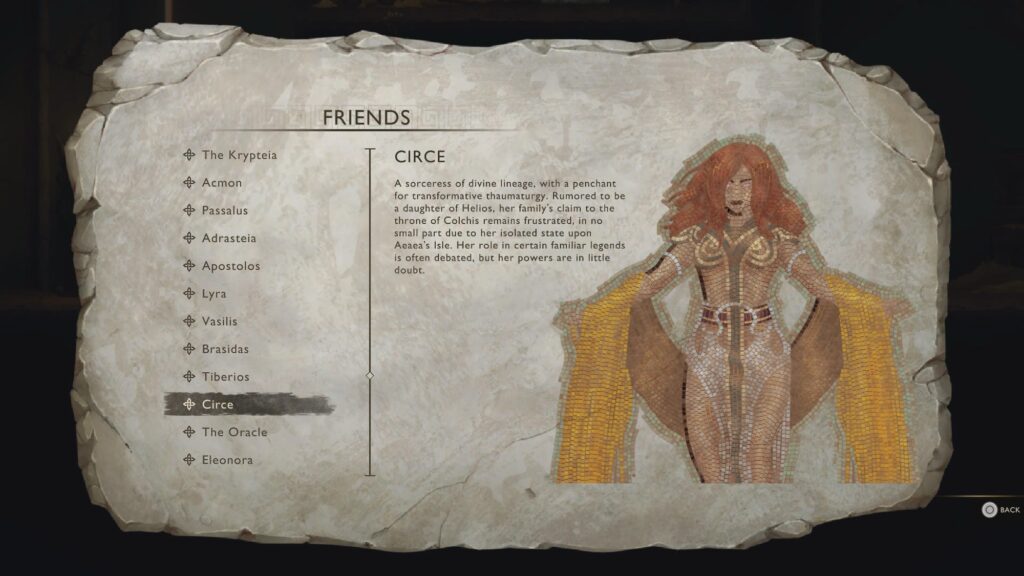
Which is unfortunate, as the world, level design, and enemy variety are great! God of War Sons of Sparta is set in Laconia, a region in Greece and its capital, Sparta. Many fans of the original God of War will certainly recognize the enemies and the Greek Mythology behind the game.
The visuals of the game may be slightly jarring to fans of the franchise, and while potentially warranted, the setting, timeline, and atmosphere works with Sons of Sparta. The many regions on the map are varied, well designed, and each with their own distinct characteristics.
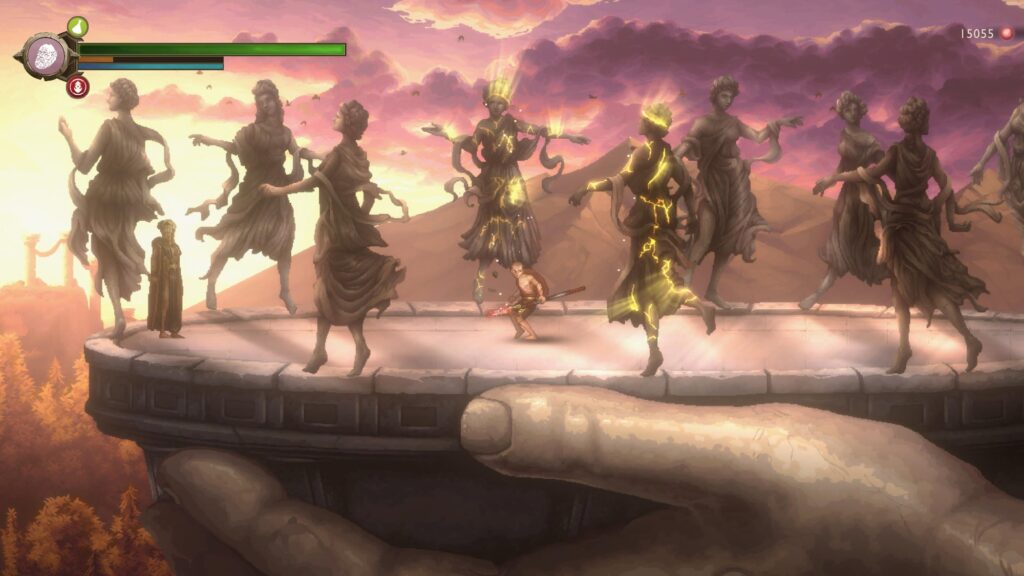
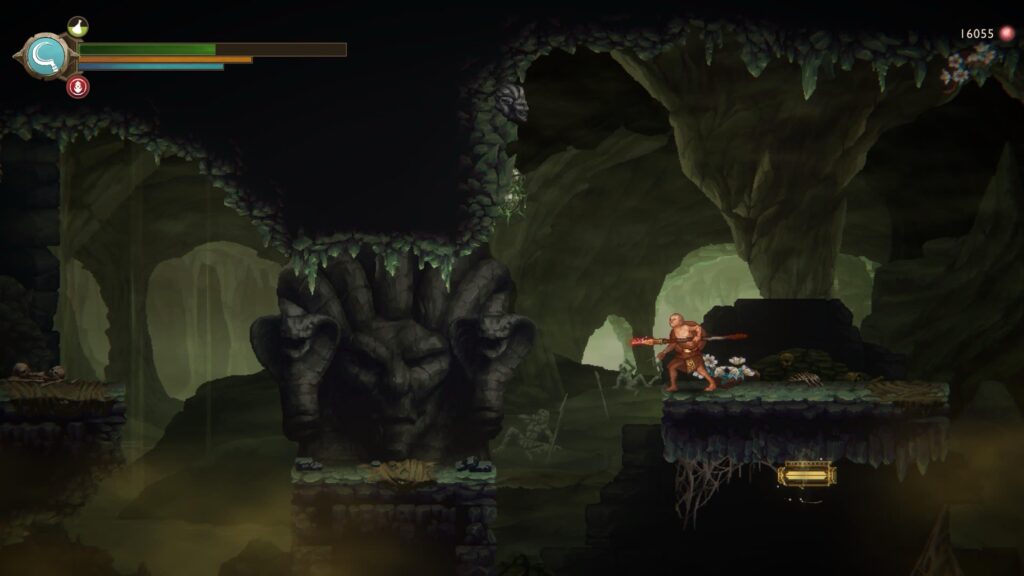
The sepia coloured Laconian Woods, the typical sewage biome in Stone Hollows, the snow biome The Splintered Peak, are amongst the 19 regions within the game. While some are bigger than others, I enjoyed my time going back and forth through these areas. The world and graphics are definitely one of the highs in Sons of Sparta. While others might prefer a more diverse colour palette, the game looks good.
ACCESSIBILITY/OPTIONS, SOUND, & PERFORMANCE
As I mentioned in my first impressions of Sons of Sparta, this is one of the strengths of the game. It has a wide variety of toggable settings, controller remapping, and accessibility options that you’ll only often see in AAA games.
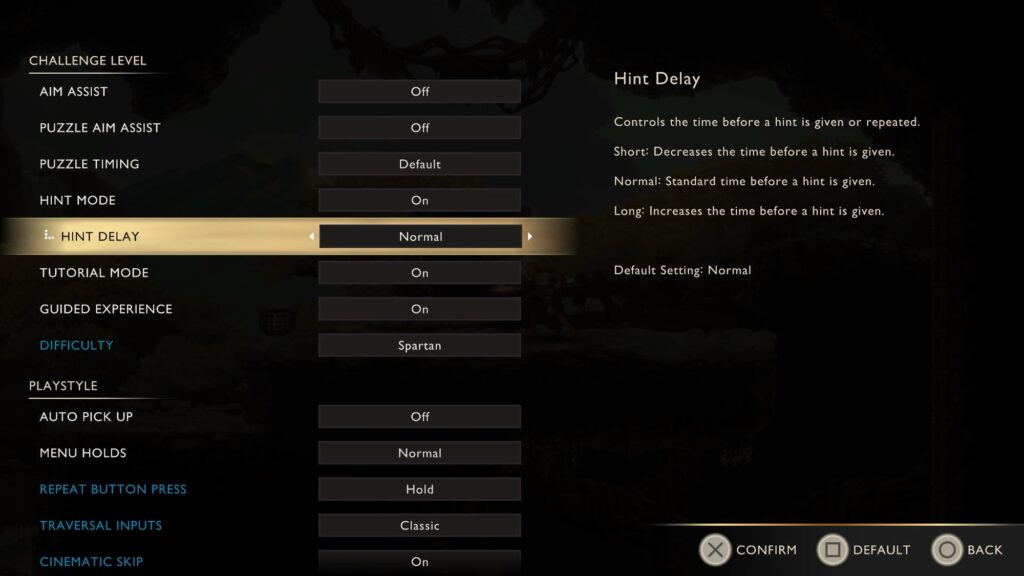
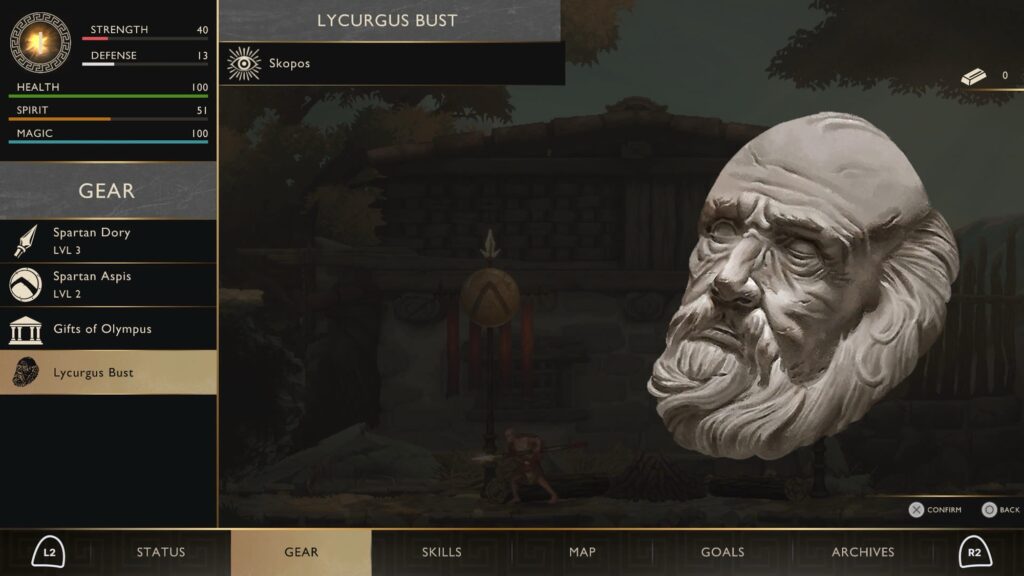
However, even with its many options, there were some that felt amiss. Things like puzzle timing, guided experience, etc felt inconsistent and sometimes like it doesn’t work as intended. Often times, Kratos and Deimos will repeat themselves endlessly, while in other times, they will be completely silent. Not only that, Deimos’ animations are often static or you’ll hear his disembodied voice. They do speak to each other via magic walkie-talkie (Lycurgus Bust), however, the sound effect doesn’t always reflect it.
Another small gripe of mine are the game’s load times. There’s a certain level of fluidity that I except when it comes to metroidvania games and I have these expectations for several reasons. One is that it’s a game that constantly requires you to transition between rooms. Another is that when if I die, I want to respawn quickly so I can run back and attempt the fight again. Lastly, this is an exclusive game. While mainly developed by a small team and with little indication of how long they spent developing it, they had the privilege of focusing on one platform.
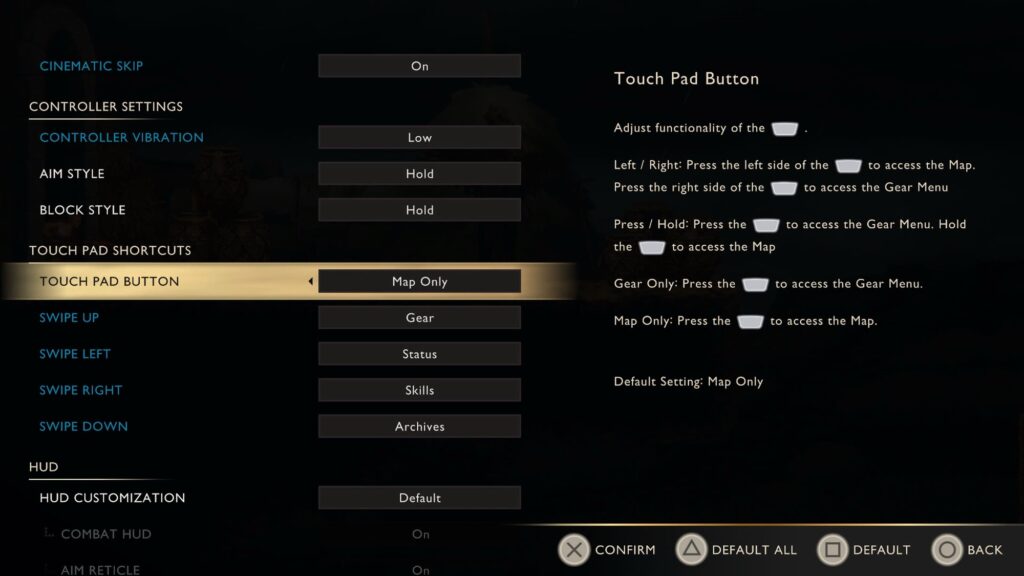
Luckily, they did take advantage of this in other ways. Sound is great in Sons of Sparta. The OST fits the game perfectly and makes immersion within Laconia well worth the stay. Furthermore, the Dualsense is well used. While adaptive trigger was not utilized, the controller’s haptic feedback and speakers were in full effect. There was even a moment where blowing into the speaker was necessary, albeit only used once. Even the Dualsense’s touchpad was used! You can configure your touchpad so that it can be pressed, and swiped up, left, right, and down! It certainly made maneuvering around the menu much more seamless!
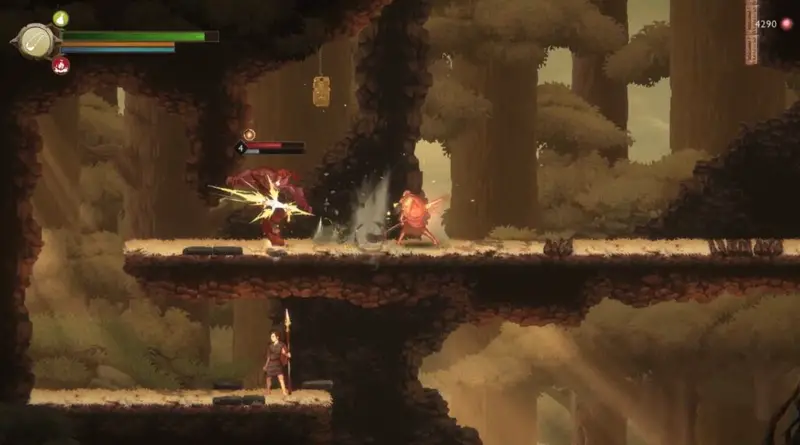
Unfortunately, the performance was less seamless. Typically, this is something I brush off on most games I play. As long as it isn’t offensive, it doesn’t matter to me if a frame falls out of place. However, in an action, 2D platformer, poor frame rate can easily result in missed jumps, and failed parries. Luckily, this doesn’t happen often, however, often enough that it’s noticeable.
To Answer that question:
Whenever I review games, I always try to answer the question of whether or not I felt the developers were able to communicate and deliver the game they wanted to make to the best of their ability.
God of War: Sons of Sparta felt confused.
It’s a slow-burn game that becomes satisfying midway through the game which rewards fans of the metroidvania genre. However, it gets too easy for that demographic because they know how to play these games, making it overall unsatisfying.
Meanwhile, Sons of Sparta can and will bring in fans of the IP even if they are unfamiliar with the genre in order to experience part of Kratos’ beginnings. However, the way the game presents itself; its visuals, mechanics, and pacing could easily work against keeping these subset of gamers entertained long enough to enjoy and complete it.
God of War Sons of Sparta is a decent game overall. It’s interesting to see the canon representation of Kratos by Mega Cat Studios, hearing the voice actors from the original trilogy, and seeing the game in its 3rd genre: a 2D metroidvania. While it didn’t fully deliver to my satisfaction, I enjoyed my time with the game at the beginning though my enjoyment waned towards the end. It’s a decent game to sink time into while waiting for the newly announced God of War trilogy remake, though not necessarily required to rush and play it.

God of War: Sons of Sparta was reviewed on PS5 Pro, and released on 12th of February exclusively on PlayStation 5.