

Octopath Traveler 0 is the series distilled into its most immediately recognisable form: lavish HD-2D tableaus, a battle system built around deliberate tempo shifts, and an anthology structure that’s constantly tempting you onward, if not always for the reasons the narrative intends. It’s a game I loved minute to minute for how it looks and how it plays, even as I found myself periodically checking my own excitement at how it moves.
The end result is a JRPG that’s frequently gorgeous and consistently engaging in combat, but one that struggles with story pacing and dramatic escalation, especially when it asks you to stay emotionally invested across fragmented character arcs and stop start progression. After the game’s announcement, it was confirmed that 0 was a remake/reimagining of the Champions of the Continent mobile game, and some of the story arcs definitely show the cracks of an episodic release schedule peeking through.
Visuals and Art Direction
If there’s one area where Octopath Traveler 0 earns near unqualified praise, it’s presentation. The HD-2D style, sprite characters set against richly lit, diorama like environments, has always been a strong hook for the series. The game looks spectacular: lighting is used not just to impress in screenshots, but to establish mood, geography, and time of day with painterly clarity.
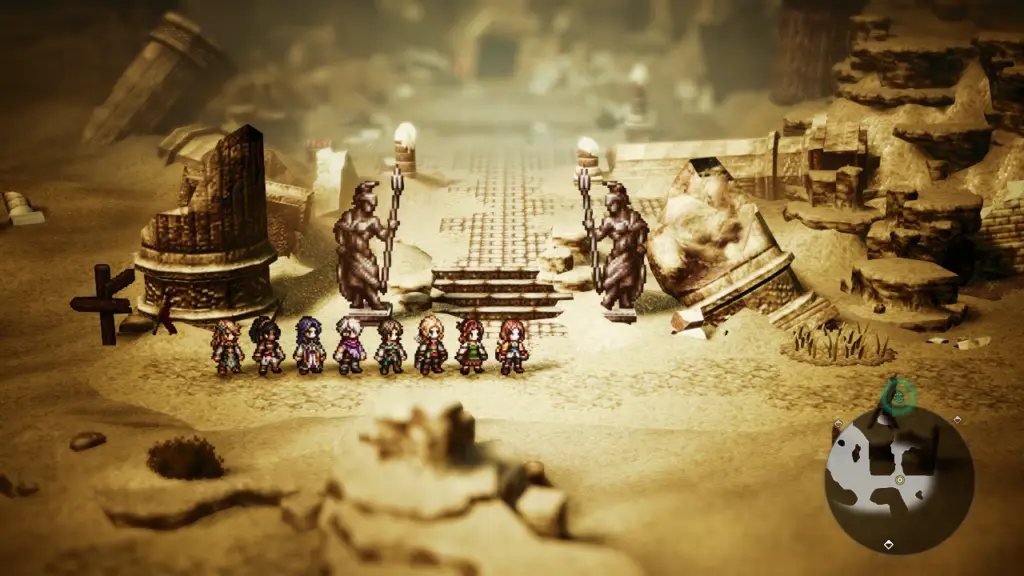
The environments will be familiar to anyone that played Octopath 1 or 2, and they are still as gorgeous as ever. Towns and dungeons look like miniature sets, with depth and texture that sell the illusion of a lived in world. Lighting does heavy lifting: warm lantern glow, moonlit roads, cathedral shafts of light. They create tone quickly, which is especially important in a game that frequently jumps between plotlines. Even in busier fights, effects remain crisp without turning into unreadable noise, and that clarity matters because the combat system depends on you tracking status, turn order, and breakpoints without constant friction.
Combat: Break and Boost
The combat is the clearest argument for why this series works at all. The familiar Break mechanic – shattering enemy defences by exploiting weaknesses, paired with Boost, banking points to power up your actions, continues to create a tactical cadence that’s incredibly satisfying: probe, set up, burst.
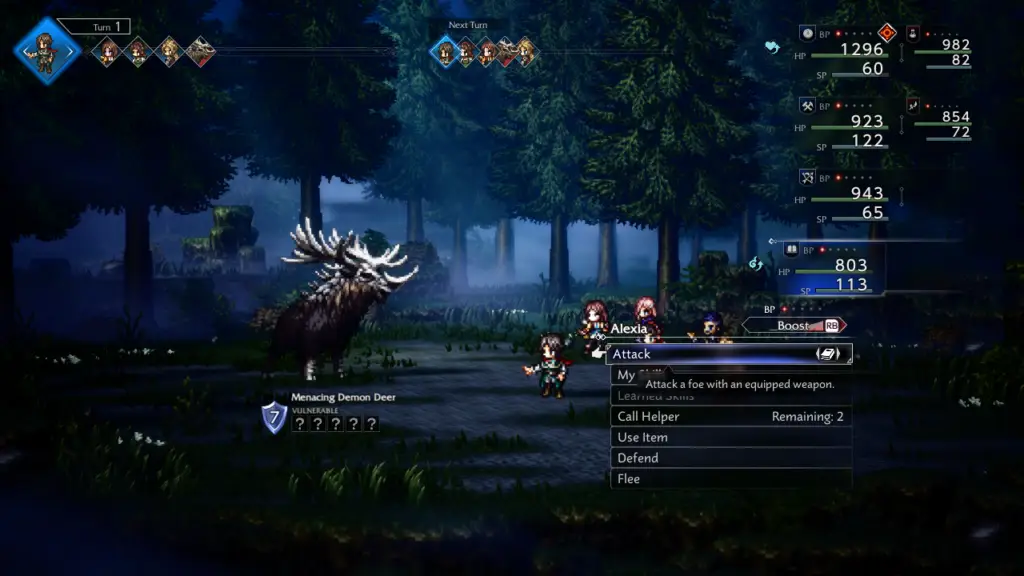
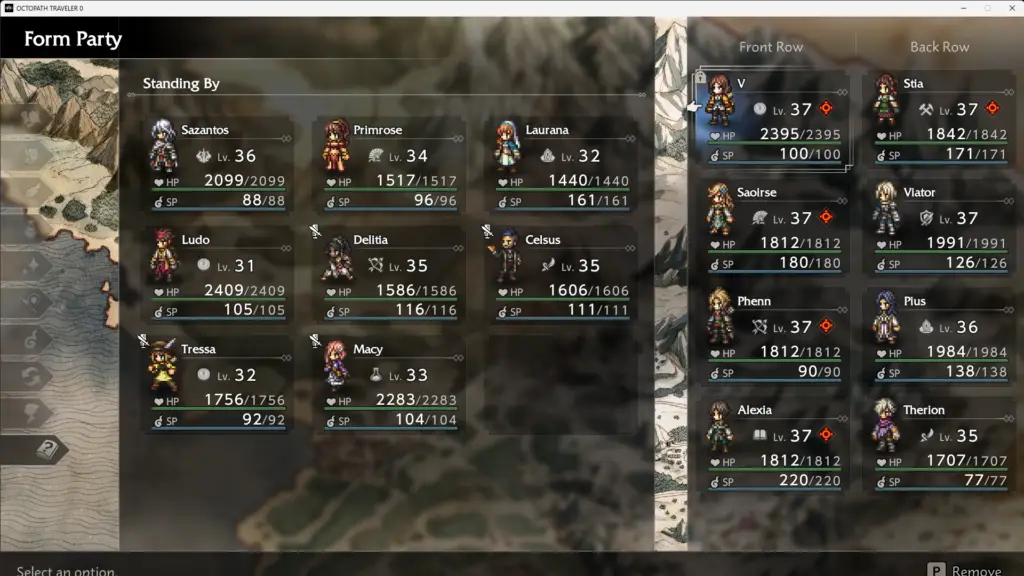
What Octopath Traveler 0 gets right is how often it asks you to make meaningful micro decisions. Turn to turn planning matters because you can’t just pick your strongest move (trust me, that’s a fast track to a game over, especially on the later boss fights). You need to manage shield values, timing breaks and decide when to spend boost to seize momentum rather than just do a few extra points of damage. Team composition also feels great – there’s 36 characters to find in this installment! Party roles all encourage experimentation, and the system rewards players who think in sequences rather than isolated turns.
When the game is firing on all cylinders, boss fights make you fully engage with all of the mechanics instead of just absorbing damage like a sponge. The best bosses are like puzzles: stabilise under pressure, manipulate breaks, then cash in during a carefully engineered opening.
There’s a sense of flow to battles: the difference between a desperate defensive turn, a calculated set up, and a perfectly timed multi boost damage window. For players who like to earn their big moments through planning instead of outlevelling the numbers, this remains one of the most satisfying turn based systems in modern JRPGs.
Story and Pacing
The game’s most persistent weakness is not that its stories are uniformly poor, but that the pacing often undercuts the drama – a relic of the previous incarnation of a mobile game rearing it’s head. The multi antagonist format is a double edged sword: it allows variety in tone and theme, but it also means dramatic tension is frequently interrupted. A chapter can end on a strong beat, only for the game to pull you into a completely different arc with its own cast, stakes, and tempo. That can work when each thread is equally gripping and similarly paced. Here, the quality and urgency vary enough that switching is sometimes less exciting variety and more being asked to pause a story right when it finally found its footing.
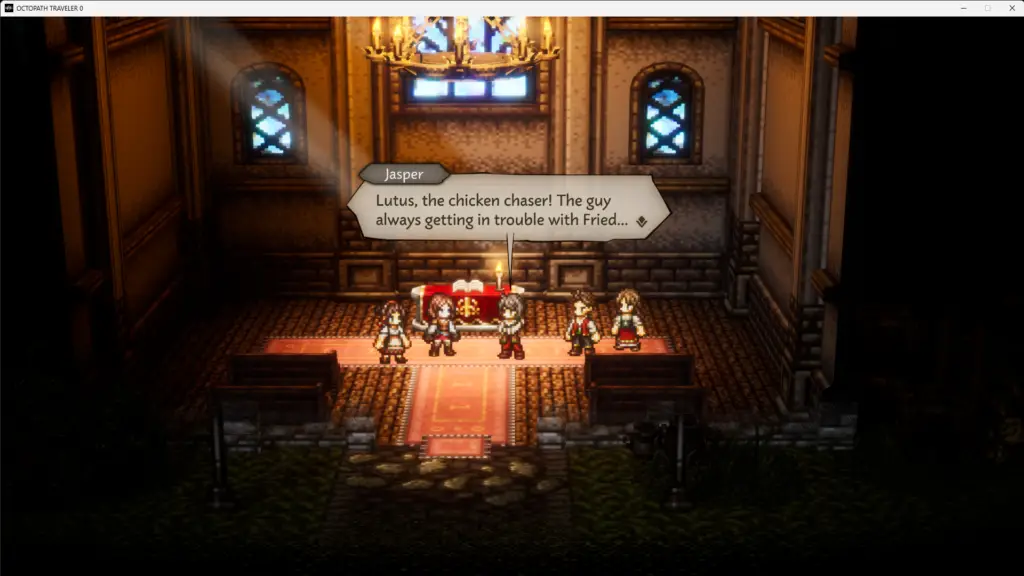
Escalation is also uneven within individual arcs. Several character lines take too long to reach the point where the conflict feels truly personal or dangerous. There’s a tendency to spend early chapters establishing premise and local colour, often charmingly, without layering in enough forward pressure. You’re technically progressing, but between walking back and forward to the same locations multiple times and numerous lengthy cutscenes, it takes an age to get there. The consequence is that when the plot finally tries to accelerate, it’s sometimes like the game is flipping a switch rather than tightening a knot that’s been building all along.
Compounding this is a reliance on repetition as structure. Chapter based storytelling easily slips into template, and Octopath Traveler 0 can lean too hard on predictable beats: arrive, investigate, confront, boss, epilogue. In my favourite arc, strong character writing disguises the scaffolding. In weaker moments, you can sense the beats before they happen, which drains surprise and flattens tension. Even when the dialogue lands (between the frequent “…” – seriously some of the cutscenes take forever and achieve nothing), the pace can slow to a crawl.
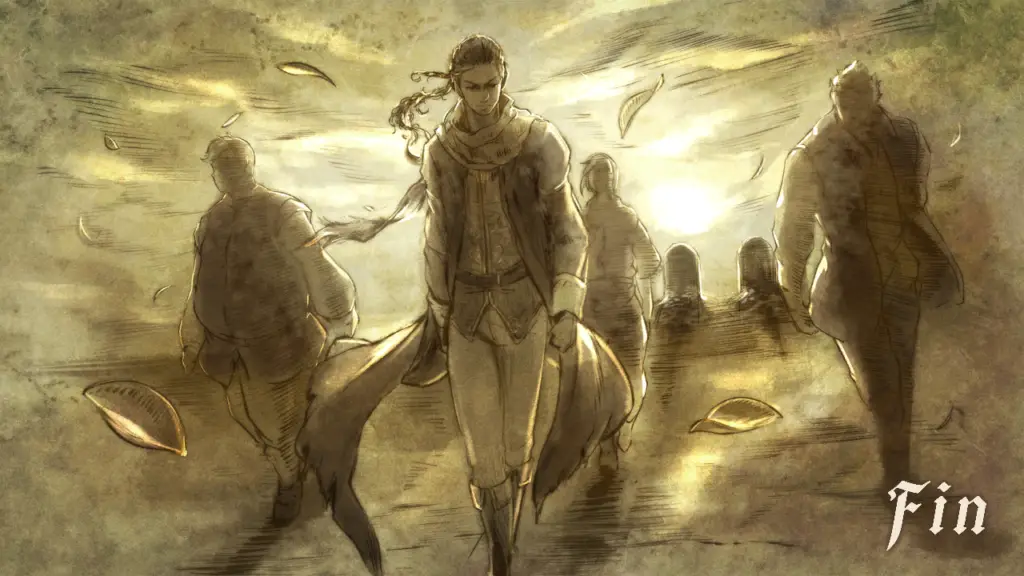
Finally, character interplay doesn’t always do enough to carry the connective tissue. Even in games built around separate protagonists, the party dynamic can provide narrative propulsion. When that interplay is light or inconsistent, the game has to rely on each solo arc to do all the emotional work. Here, emotional peaks exist, but the links between them are thin. You end up appreciating characters in isolation more than you need them as a group, which is a problem in a game that ultimately asks you to invest in the collective journey.
Cosy Comfort vs Narrative Drive
Some of what I’m calling pacing issues will be comfortable to the right audience. The series has always had a storybook rhythm: small towns and local problems, before trying to stack them into something larger. The issue is that Octopath Traveler 0 doesn’t always make the transition from intimate to epic work in a natural way. You’ll be grinding away on monsters and sidequests assuming the game is saving its biggest narrative punches for later, but later arrives after too many resets of momentum.
So the experience becomes a trade. If you value vibes, exploration, and tactical battles, you’ll be fed constantly. If you need tight narrative propulsion, you may find the game testing your patience between peaks.
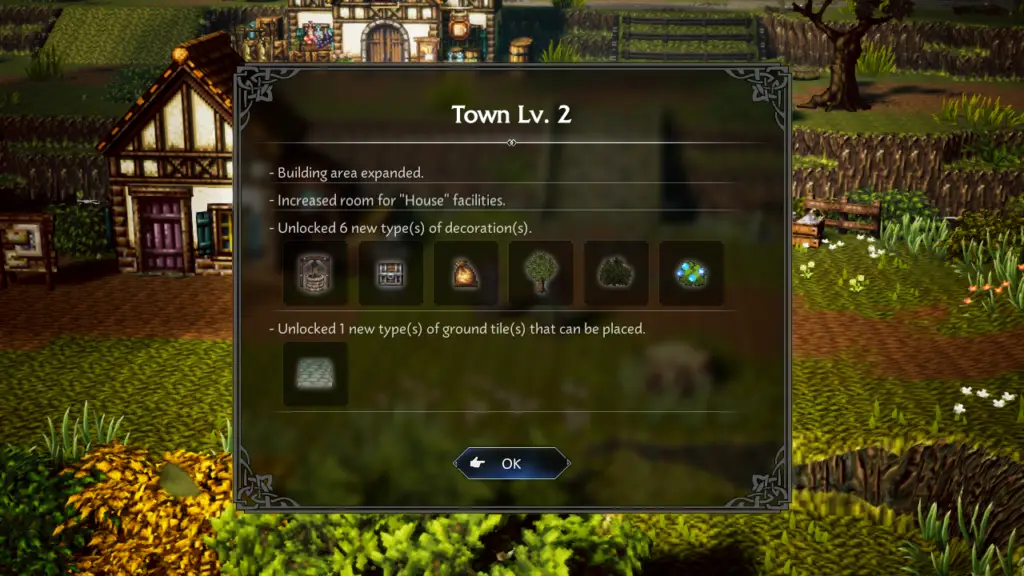
Another cosy feature added in Octopath Traveler 0 is the town building. It’s an easy feature to like at first glance. It gives you a steady sense of ownership and progress, with clear milestones that make upgrading rewarding and refreshingly low-stress. Dropping back into town between story beats can be genuinely satisfying – visit your new townsfolk in their houses; gather supplies, do some cooking. It has that cosy, low-pressure appeal of watching a place gradually come together, and in the early hours the rewards arrive often enough to make each upgrade feel like a small, satisfying marker of progress.
That said, the system does get a little thin once the novelty wears off. Upgrades are generally straightforward resource checks rather than interesting choices, so there is not always much room to experiment or solve problems in different ways. The other issue is level gating. When key steps are locked behind character or town levels, the feature starts to loss it’s charm, you’re just waiting in line for the next quest to unlock something. Instead of encouraging you to engage, it pushes you into routine grinding or passive check-ins until the next threshold finally unlocks. At that point the building loop risks becoming more of a chore than a highlight.
Final Thoughts
Octopath Traveler 0 is at its best when it leans into what the series does uniquely well: spectacular HD-2D artistry and a combat system that turns turn based battles into momentum management. Those pillars are strong enough that I frequently wanted to keep playing even when the story wasn’t pulling its weight.
But the narrative struggles with inconsistent escalation and choppy pacing, and the anthology structure, while appealing in concept, doesn’t always provide enough connective energy to keep the overall journey feeling urgent.
Play it if you want a gorgeous, systems forward JRPG where every fight is a small tactical performance. Approach cautiously if you’re primarily here for a tightly paced, continuously escalating story.

Octopath Traveler 0 was reviewed on Xbox Series X (with some sections on the Xbox Rog Ally X). Gamer Social Club would like to thank the publisher for the code
Octopath Traveler 0 launched on 4 December 2025 on Nintendo Switch, Nintendo Switch 2, PlayStation 4, PlayStation 5, Xbox Series X/S, and Steam.