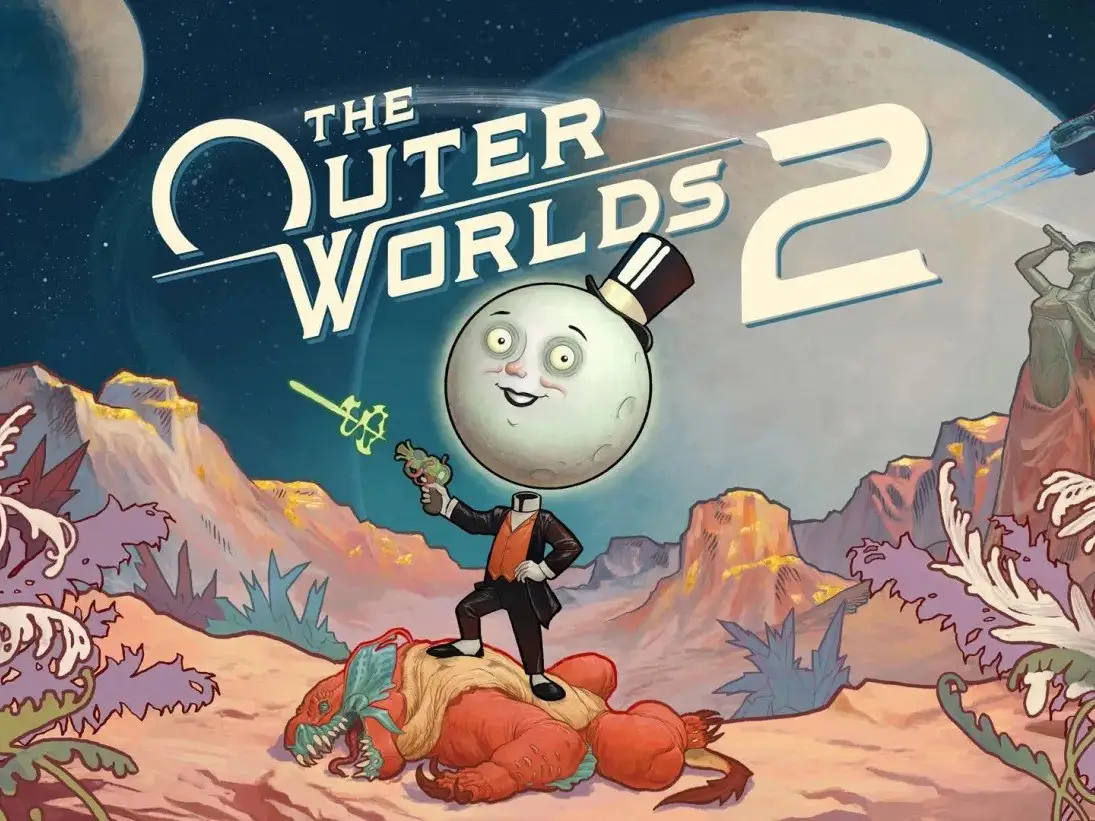
Here we are once again, tossed into the wild, corporate-run frontier of space, just trying to survive among bright-eyed idealists, dodgy managers, and everything in between. The Outer Worlds 2 opens the hatch for another satirical trip around the solar system, and Obsidian definitely knows how to throw a party. After spending a good chunk of time planet-hopping, getting into impossible arguments with bureaucrats, and occasionally saving the day on a whim, I can safely say this sequel sticks true to its roots, for all the triumphs and stumbles that come along with it.
Atmosphere and Setting
Let’s kick things off by talking about what hits you first: the atmosphere. The new star system feels every bit as lively and outrageous as the old one. Every location bursts with colour and weird flora and fauna. Offices are stuffed with oppressive marketing slogans, while outposts have that hand-me-down, scavenged charm. Obsidian’s knack for creating vivid, characterful environments really shines. Whether you’re trudging through a company town where even the toilets are sponsored or exploring the wilds filled with many fanged critters.
Obsidian’s writing talent continues to set the tone. The dialogue is stuffed with sarcasm and wit and rarely feels idle. Often, I’d stumble across characters mid-row about the price of air or the proper etiquette for disposing of hazardous waste. The game’s sense of humour weaves through every encounter. You get the sense the devs enjoy poking fun at late-stage capitalism, scientific self-importance, and the blundering bureaucracy that runs the show (especially funny given Obsidian is now owned by Microsoft).
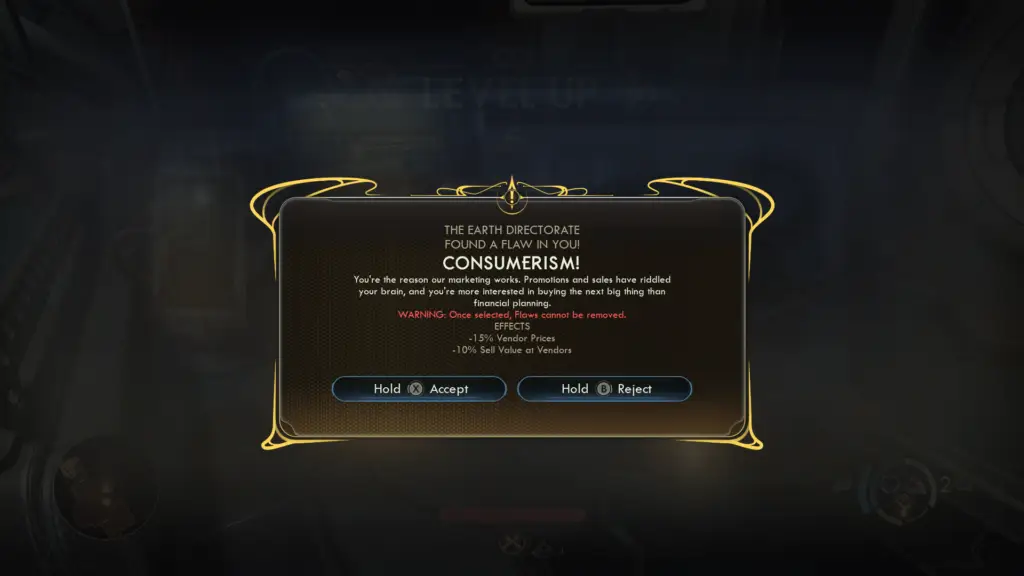
Much like the first game the flaw system in The Outer Worlds 2 adds a brilliant layer of fun and personality to your playthrough. Picking up flaws; whether it’s a fear of not having a fully loaded gun or side effects from hitting your inhaler too often, doesn’t just make the game more challenging, it gives your character genuine quirks that stick with you. It’s oddly satisfying to lean into these weaknesses, especially since they reward you with new perks and create moments of chaos and comedy unique to your run.
Playstyle Choices
Diving into a specialised skillset is where The Outer Worlds 2 really channels the spirit of classic roleplaying games. Focusing your build lets you lean into a certain character type, and there is genuine satisfaction in seeing your chosen expertise open up unique dialogue and problem-solving options. Mastering speech means you truly become a smooth-talker, able to spin a story and charm your way through confrontations. If you go all out on combat, you get more chances to brute force your way through obstacles, and with hacking or medical know-how, you are rewarded with specific opportunities to use your talents.
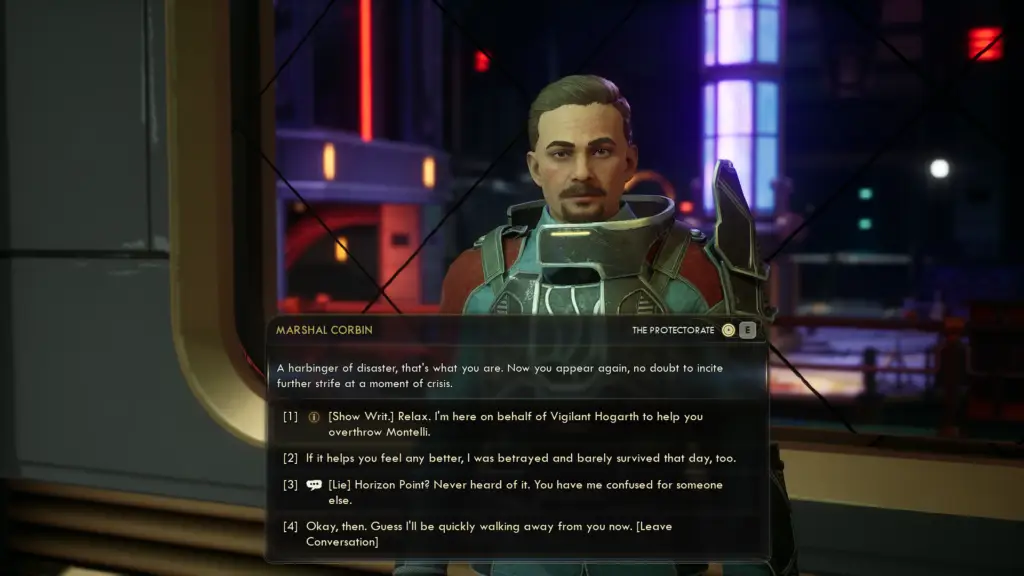
However, not every skill feels as rewarding once you commit. While some skill paths consistently give you fresh encounters and benefits, others are noticeably less impactful in the long run. Specialising in Engineering or Science as I did, for example, can leave you wishing for more meaningful uses of your expertise. There are some doors to unlock or repairs to make, but far fewer standout moments that make you feel essential compared to someone focused on dialogue or combat.
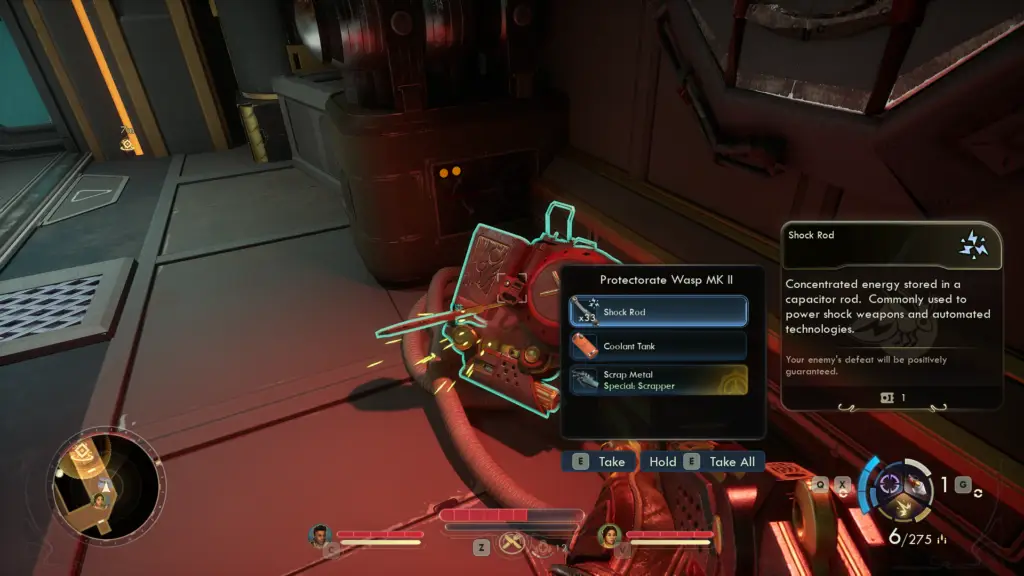
One system from the original game feels noticeably absent this time around: the way party members and consumables used to boost your stats. In the first game, bringing the right companion or using a specific item could bump you up just enough to pass a difficult check. This approach kept more doors open as you played and encouraged experimenting with your party and resources. The sequel makes your own stat choices far more final, and you’re less able to cover a weakness with creative party selection or a last-minute smoke. Roleplaying a true specialist can be satisfying, but that missing flexibility makes the limits feel sharper, and you may end up locked out of memorable outcomes unless you committed early.
Companions and Their Quests
Let’s get into companions. This is an area Obsidian has always knocked out the park. Your crew are interesting, frustrating, but memorable people, all packed with quirks, stories, and hidden agendas. Whether you collect them for their abilities or their banter, you quickly fall into the rhythm of having a favourite or at least one who irritates you in just the right way.
However, one of the things that really took me out of the experience was how the companion quests are paced and structured. You don’t actually meet some of your companions until you’re late into the first half of the game, and shortly before the stakes massively skyrocket. By the time you finally fill out your crew, their personal quests often revolve around planets or locations that only unlock during the latter part of the campaign. It ends up making their storylines feel like a side note, introduced just when the fate of Arcadia is hanging in the balance. With the urgency of the main crisis front and centre, these late-arriving companion quests can seem less important and struggle to make a real impact, as saving the colony naturally feels like the only thing that truly matters.
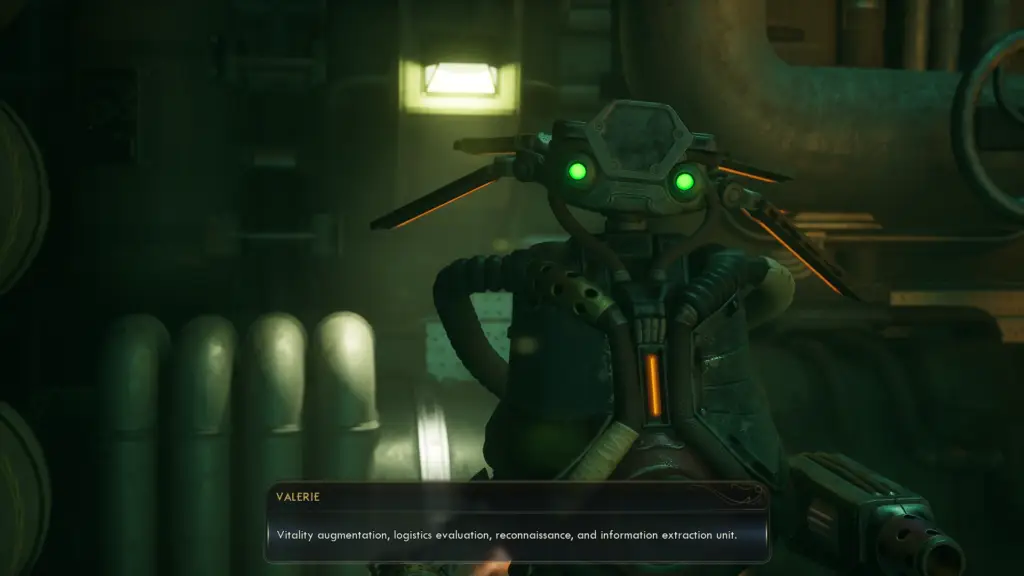
This design decision undermines the impact of their stories. When the rift crisis grows urgent, the last thing you want is to drop everything and settle a decades-long feud. There’s a real tension between your crew’s dramatic emotional baggage and your obligation to handle the universe-shattering threat at hand. As a result, some of these side stories land at an odd time, and they feel rushed. I found myself finishing these quests in a hurry, more out of duty than interest, just so everything felt “done” before the big finale. The writing and voice work remain top notch, but I wanted to see these stories play out across my journey rather than come as a bundle once the stakes have soared elsewhere.
Combat and Melee Mayhem
Day-to-day exploration and action in The Outer Worlds 2 feel very much like a refined version of the original. You still travel to different planets, each with their own blend of hazards, loot, and side quests. You’ll fight bandits and creatures, scavenge for gear, upgrade your favourite kit, and stumble upon little secrets everywhere. Weapon customisation now has a few more moving parts, and character builds let you triple down on a specific approach. If you enjoy experimenting and optimising, there’s a good bit of depth to uncover.
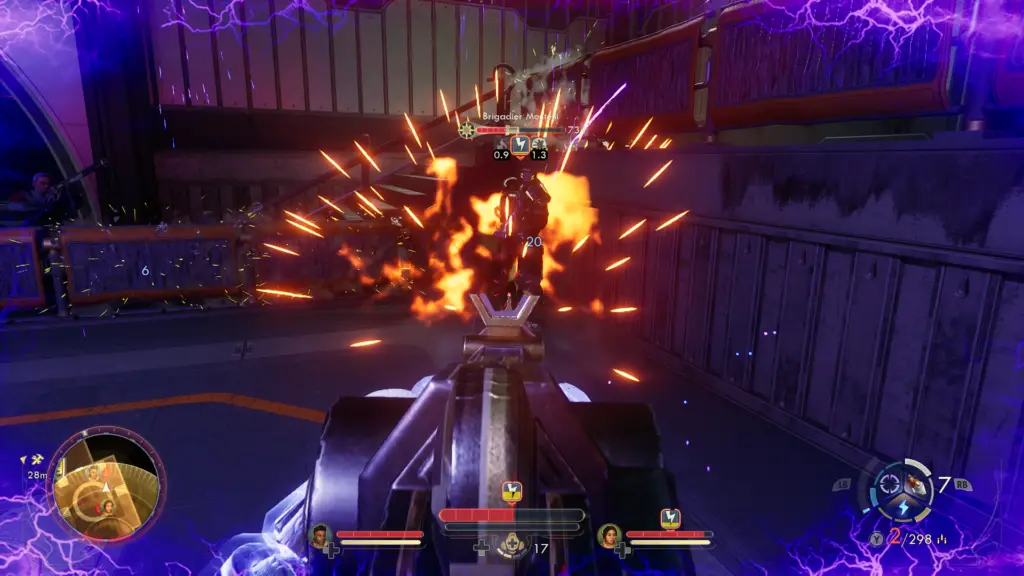
Combat in The Outer Worlds 2 quickly became one of my favourite ways to approach a problem, mostly because I could not resist charging into the thick of it with a massive hammer and seeing what would happen. I’ll admit I spent a good chunk of the early campaign simply battering enemies into the ground, relying on brute force rather than tactics. The sheer impact of melee weapons feels great, and there is something undeniably fun about running straight into chaos and smashing anything in your path.
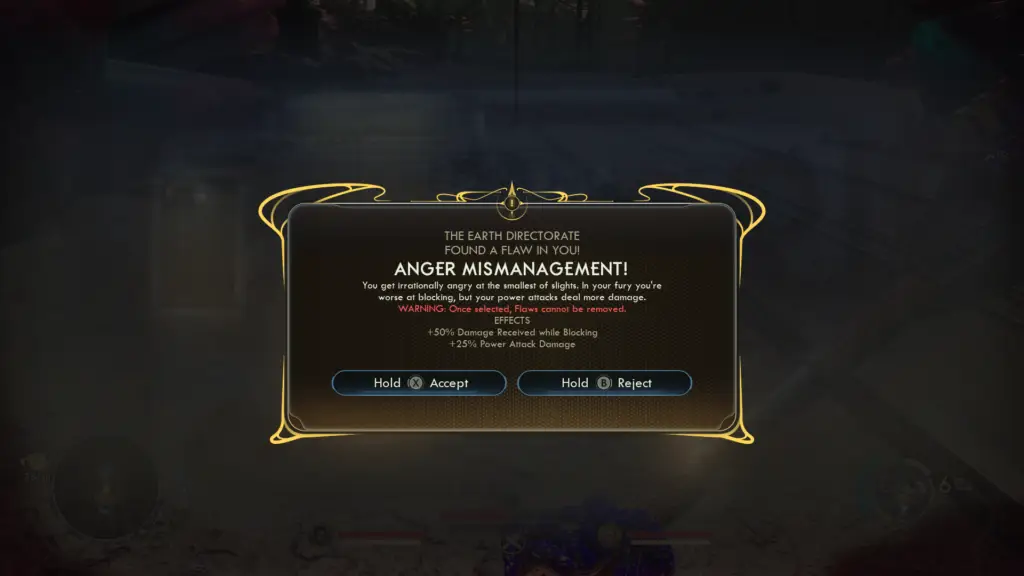
I have to confess, it took me ages to even realise blocking was an option in melee combat. I was too busy swinging for the fences and keeping myself standing with liberal hits of the inhaler. The game does offer more nuance if you want to carefully manage stamina and play defensively, but honestly, I found a lot of satisfaction in just embracing the wild mayhem that I barely noticed those other mechanics at first. It’s the kind of system where, if you enjoy simple, direct action, you can absolutely just go for it and have a great time, especially with a powerful melee weapon and a well-stocked supply of stolen booze (I’m sure this would not play well at higher difficulties).
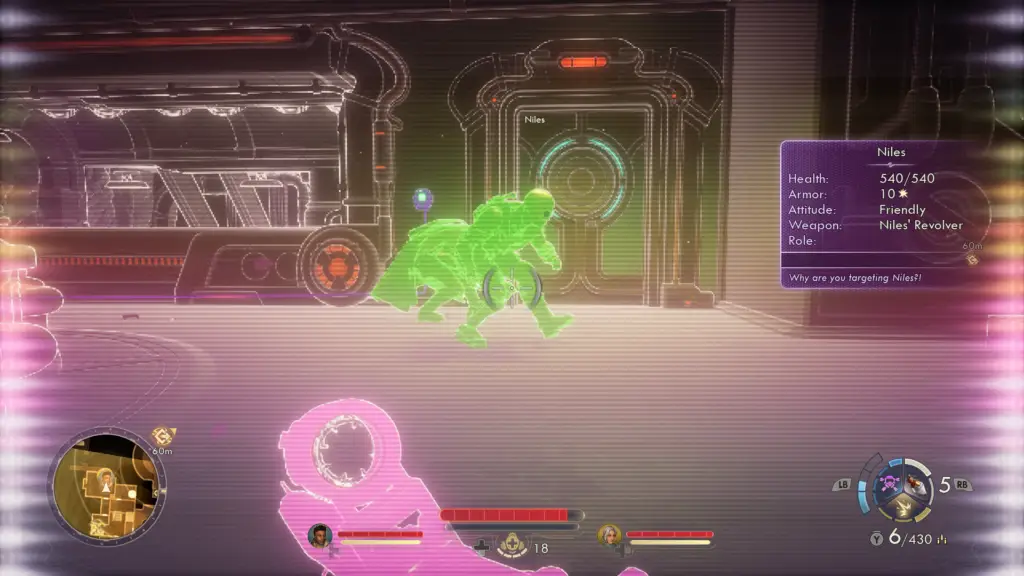
The planets you visit maintain that blend of wild, untamed biomes and overregulated company compounds. Quests often resist giving you clear good and evil choices, and your solutions usually come with a catch. It’s worth poking at every corner of the map, as some of the best content comes from offbeat little tasks, like finding some good sprats for a taxidermist or investigating a cash or crashed ship insurance fraud. The writing gives everything a reason to exist in the world.
Zapp Brannigan Roleplay with Space Ranger
This time, the main story revolves around a looming interdimensional rift, supposedly the sort of catastrophe that could eat reality if not patched up quickly. This high-stakes plot starts simmering in the background and explodes into urgency partway through your adventure. You’ll dabble in faction politics, corporate espionage, and run into plenty of charismatic bosses who like the sound of their own voice.
One of the most unexpectedly enjoyable parts of The Outer Worlds 2 is just how much freedom you have to shape your character’s personality, especially with talents like the Space Ranger feat. Even though I spent a good portion of the game swinging a big hammer and flattening anyone who got in my way, I couldn’t resist the temptation to fully embrace the overconfident, dramatic space hero routine every time a conversation rolled around.
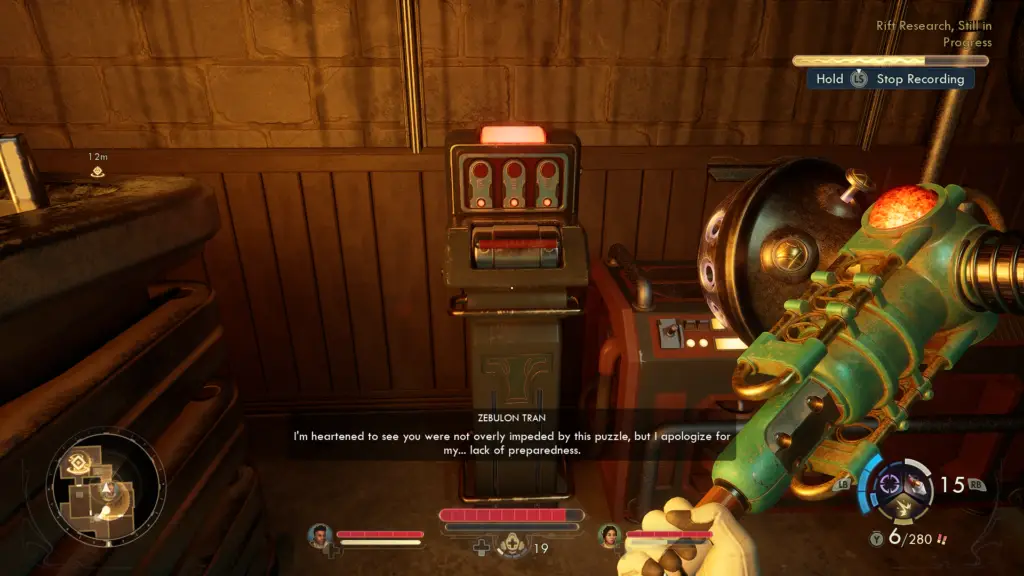
With Space Ranger, every dramatic flourish and boastful line feels like something straight out of a campy sci-fi show. Swaggering into a tense negotiation, exaggerating your contributions to the fate of the colony, and shamelessly taking credit for every heroic act (even if you just made a mess with your hammer seconds earlier) feels surprisingly natural. The game does a fantastic job of letting you mix these over-the-top, self-important moments with the raw, physical slapstick of melee combat. It turns every major encounter into your own little performance, and it’s genuinely fun to see how far you can push that classic space adventurer bravado.
You don’t need a carefully planned build or a delicate touch; sometimes, the real reward is just unleashing your inner space diva with reckless confidence, then backing it up with sheer force. It’s a good example of how the game encourages you to enjoy the roleplay, no matter how much chaos you’re creating along the way.
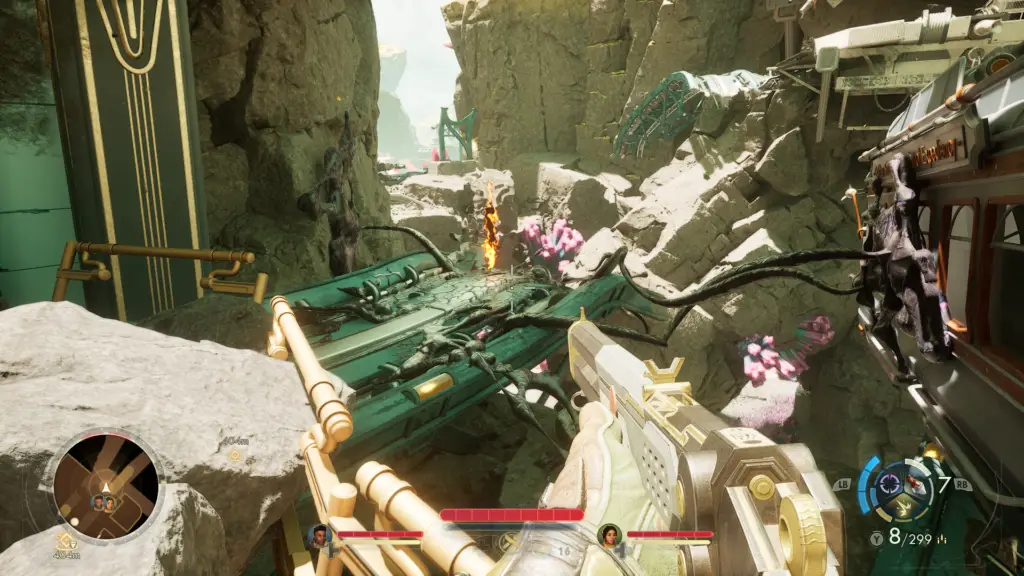
Despite leaning into this, even late in the game, decisions are rarely simple. You’ll see genuine consequences to major choices. Factions live or die based on how you interact with them, and the ending borrows from all these little ripples. The problem is how this narrative tension short-circuits everything else, especially those companion arcs that get dumped on your lap. As soon as the pressure builds, it’s hard to justify a detour.
Final Thoughts
Through all the corporate meddling, snarky dialogue, and frenetic shootouts, The Outer Worlds 2 sticks to the formula that made the original fun, but shakes things up in some unexpected ways; some for better, others for worse. Specialisation feels more distinct and meaningful, though it comes at the expense of experimentation. Companion storytelling looks and sounds great, but its timing diminishes the emotional punch.
If you love a universe that isn’t afraid to poke fun at itself and want to get stuck into tough choices, you’ll find plenty to enjoy. Just don’t expect to dabble across the skills or nurture every friendship at a leisurely pace. Like the first game, you’re nudged into committing early and living with what that means; but this time there’s no cigarettes to boost your stats and maybe push a different outcome. Even with those frustrations, it’s an easy world to get lost in and a harder one to leave behind. The Outer Worlds 2 might not redefine the genre, but it doubles down on what it does well, and honestly, that’s sometimes all you need for a cracking good time.

The Outer Worlds 2 launched on 29 October 2025 on PlayStation 5, Xbox Series X/S, and PC. The game was reviewed on Xbox Series X.
Gamer Social Club would like to thank Xbox for the code.