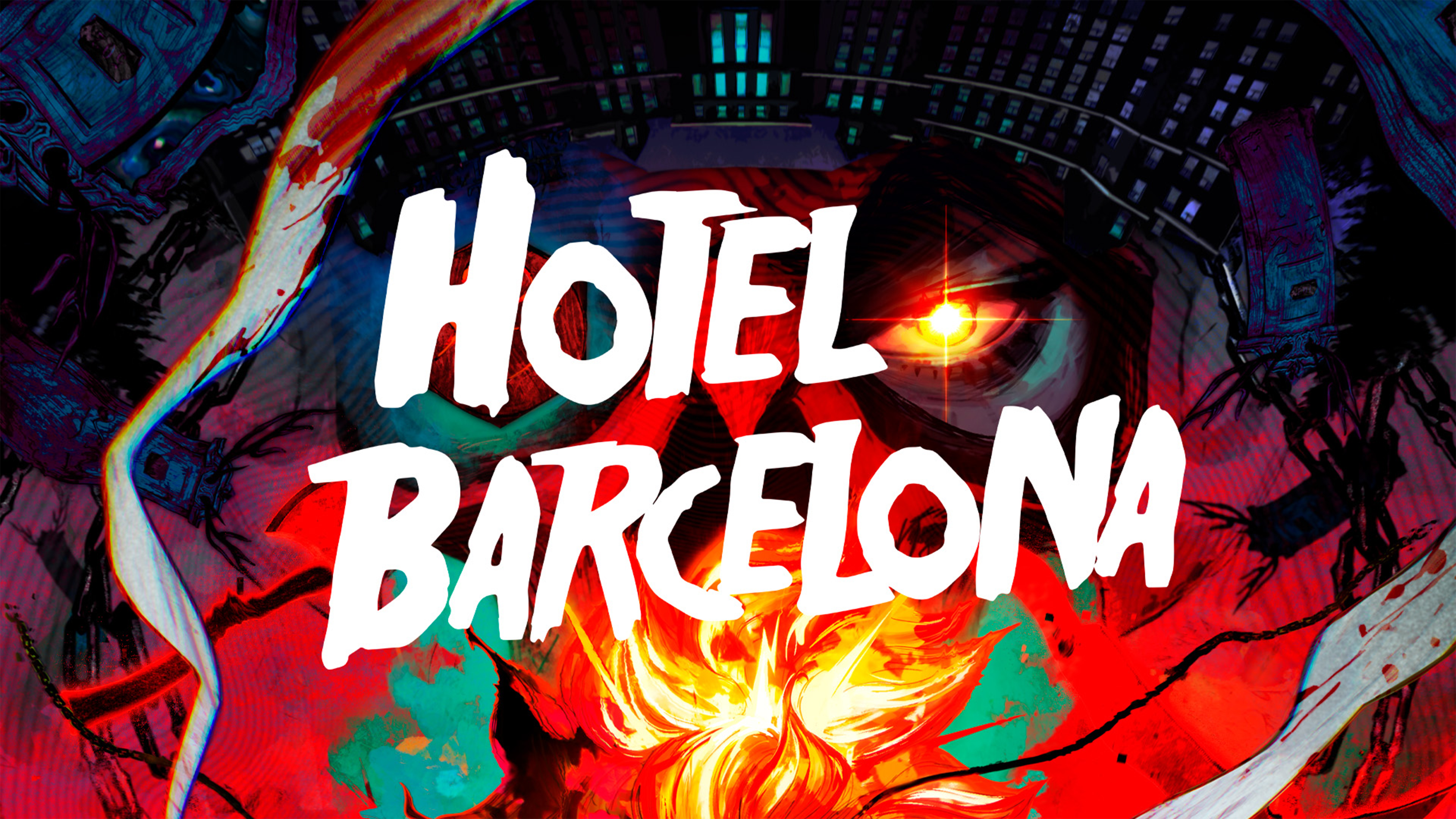
For decades, Hidetaka “Swery” Suehiro and Goichi “Suda51” Suda, have been two of the most iconic auteurs from the Japanese video games industry. Both are known for their “punk game design” philosophy, where style takes precedent, and influences are confidently worn on their sleeves. While their names exist in the same game development spaces and certainly the same circles of online discussion among fans, a collaboration between the two has always been a far-off dream. That is, until now with the release of Hotel Barcelona with supervision and a narrative conceived by Suda but directed and developed by Suehiro and his team at White Owls.
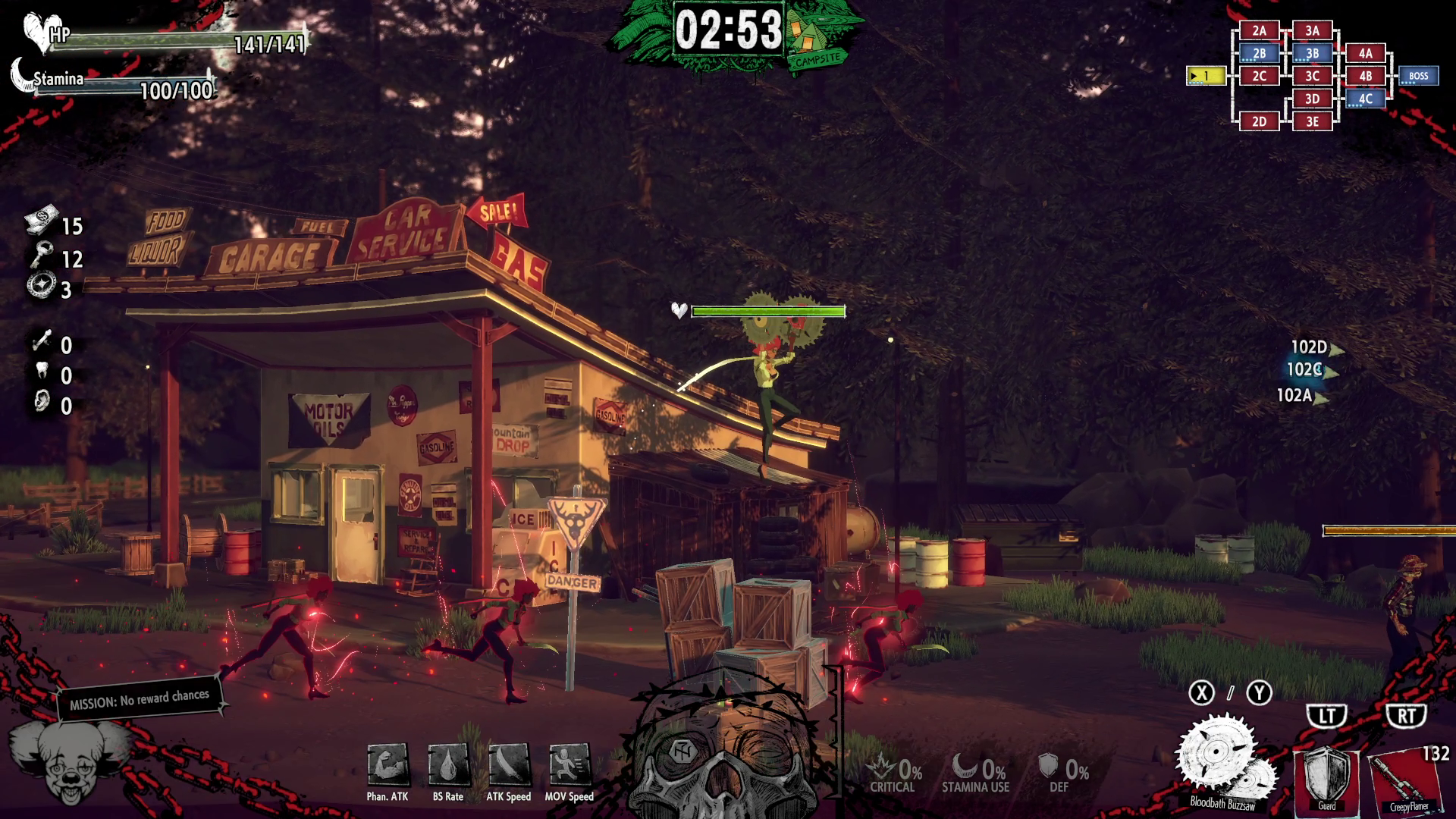
Hotel Barcelona follows Justine Berstein, a federal marshal who is investigating her father’s murder at the eponymous hotel. After she makes a pact with a deranged serial killer named Dr. Carnival, he possesses her body, allowing her to plan her revenge on the serial killers still swarming the hotel’s surrounding area. These take the form of levels which the player must traverse as Justine, hacking and slashing their way through crowds of enemies. Upon death, Justine retains currency that she acquires from these enemies to become more powerful and enhance Dr. Carnival’s skillset. As you can probably imagine, yes, Hotel Barcelona is a roguelite.
Gameplay
Each level has a fixed structure with branching rooms that all eventually lead to a boss, however what varies between runs is the state of each room and the reward for entering them. Some rooms reward the player with keys that can unlock chests for rewards, while others will replenish health or escalate traits such as movement or combat speed. There are additional variables such as random moments where Justine’s physical size will change, either becoming bigger or smaller for a run which affects the difficulty of combat, or times of day changing enemy behavior and which enemies appear in the run. This variability is the main hook to keep Hotel Barcelona’s fixed level designs from becoming too stale, but the game’s Slasher Phantom mechanic adds another layer.
Slasher Phantoms are ghosts of previous runs that accompany the player on subsequent level playthroughs to assist in combat. Despite simply following the path and movements of your previous runs, these can be key to helping clear crowds of enemies or chipping damage away from large enemies, especially since previous uses of Dr. Carnival’s “Awakening” screen-nuke moves apply to current runs. The catch is that Slasher Phantoms can only appear if the player follows the same path as their previous runs, adding an additional layer to the snap decision making that each area requires.
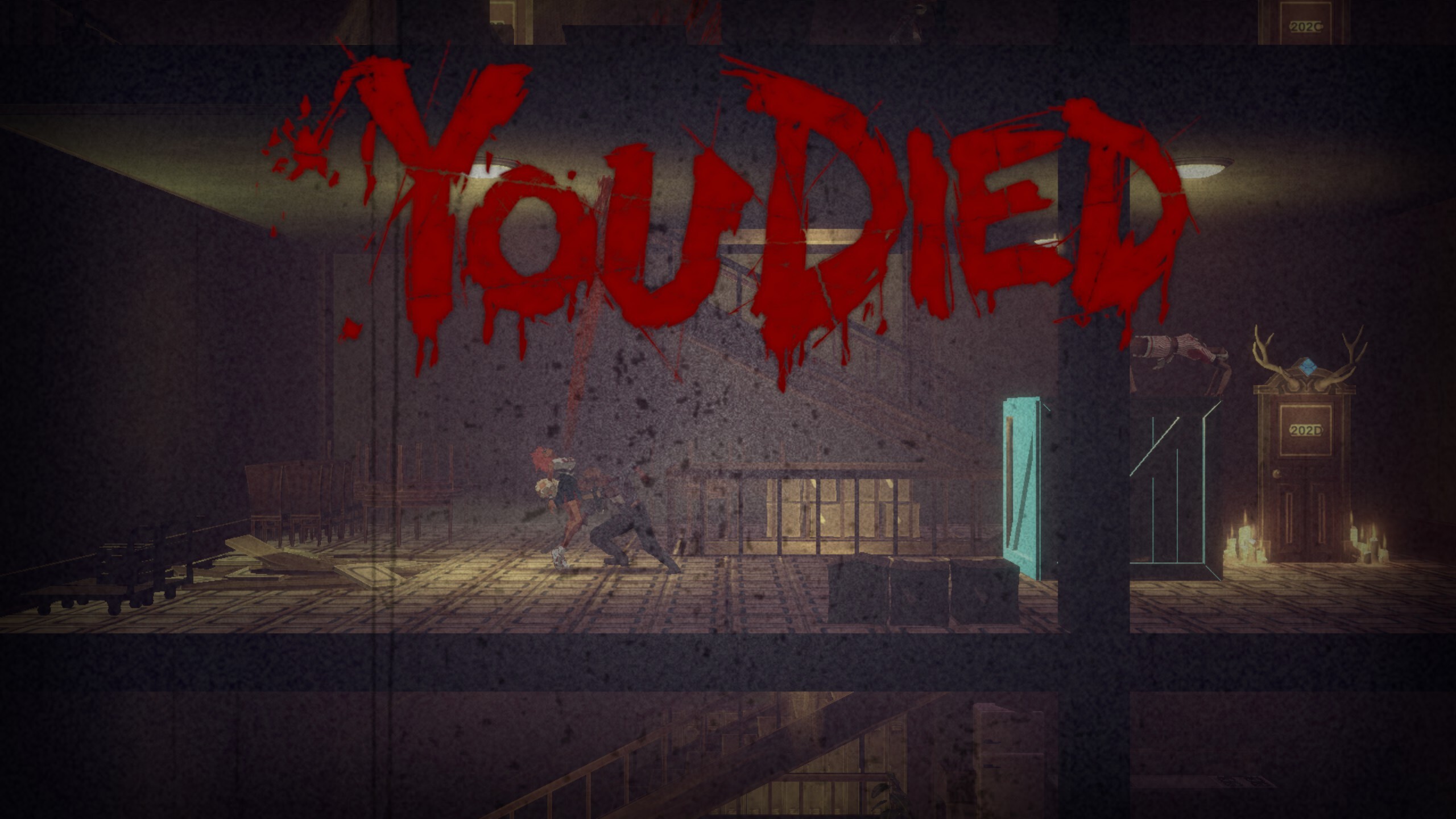
The Slasher Phantoms mechanic is what sets Hotel Barcelona apart from its other roguelite contemporaries currently flooding the indie scene as they facilitate careful optimization between runs and offer support during what can be at times brutal combat scenarios. This is both a praise and a criticism, as Hotel Barcelona’s combat is enjoyable and opens up very quickly as you gain currency such as bones and teeth from enemies that can later be applied to the game’s skill tree for permanent upgrades, but I would be remiss to ignore the fact that it generally feels somewhat weightless lacking in impact, especially when it comes to enemies.
Parrying in particular feels very underwhelming, with it taking me a few runs to realize that I was even utilizing the mechanic currently. Enemies generally respond to attacks well, especially in the late-game where it’s easy to kick smaller enemies into the air and juggle them, but there’s barely any indication that you have successfully landed a parry and larger enemies and bosses barely react to any substantial hit other than having their shields broken. As a result, it is very easy to get caught on bosses and not realize it, which can very easily cost runs.
Story
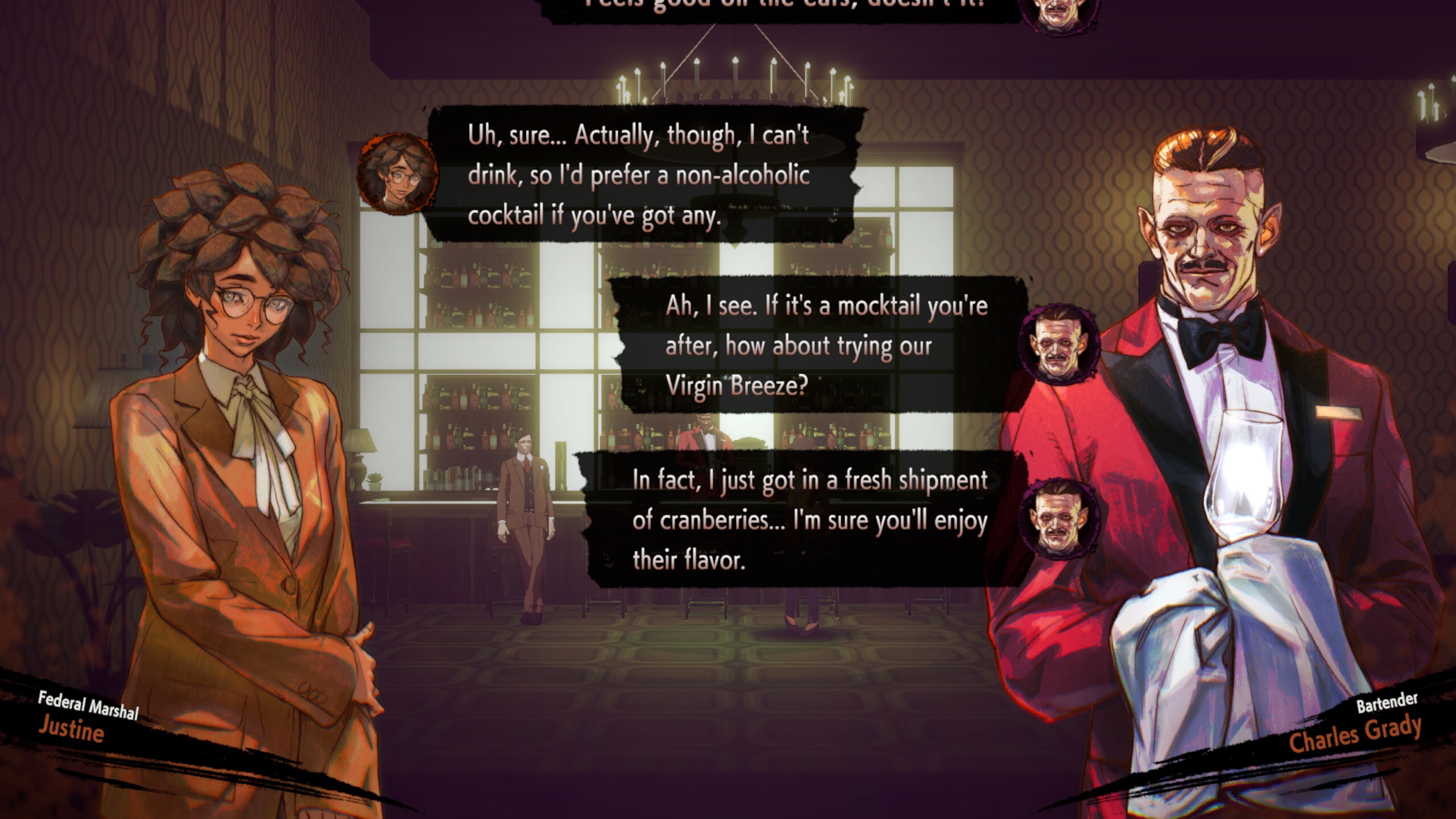
When you’re not hacking and slashing psychos and repeatedly fighting serial killers, you will be spending much of your time at the titular Hotel Barcelona. Here is where the game’s story progresses, where Justine and Dr. Carnival converse between runs and the player can become acquainted with the other residents such as a friendly ranger, a preppy concierge, and a brooding bartender. There’s a great atmosphere of isolation and mystery to the hotel, similar to the one in Deadly Premonition, with each character within feeling off-kilter and intriguing. Here is where the player can upgrade or buy new weapons, exchange currencies, and experiment with the game’s “Bondage Mode”, which allows for intense gameplay restrictions during runs such as one-hit death and disabling melee attacks in return for higher value rewards.
Narratively, Hotel Barcelonals central mystery manages itself rather well throughout the roughly fifteen hour runtime. The game drops the player after Justine and Dr. Carnival’s physical and psychological merge with some brief context given through a gorgeously animated cutscene. From there narrative begins to slowly peel itself back through character interactions and progression throughout the main levels. Justine and Dr. Carnival’s dynamic is very entertaining, with both characters being excellently voiced and written. While each of the supporting cast is interesting and are full of personality, some of the secondary voicework can feel rigid and monotonous. While fans of Swery’s games are no strangers to bizarre and off-kilter voice acting, Hotel Barcelona feels like it owes more of its problems to a lack of voice direction rather than pure Lynchian strangeness.
Visuals
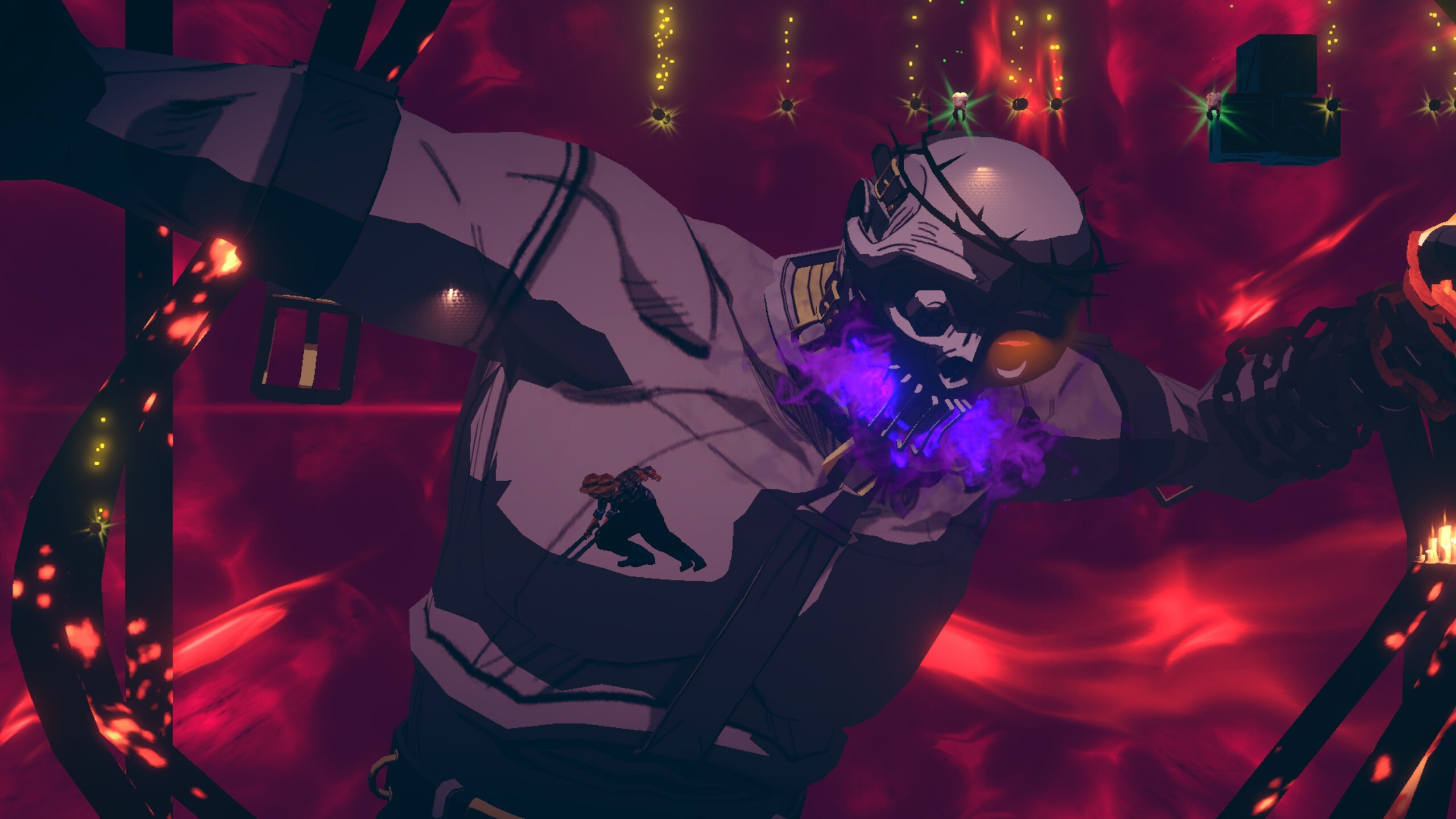
Another mixed bag is the game’s visual identity. While the artwork for the game and its general stylization of the game is undeniably impressive, as are all of the character designs and the artwork accompanying them, the actual visuals of the gameplay are ultimately not that impressive. Visually, the game looks similar to White Owls’ 2018 cinematic platformer The Missing: JJ Macfield and the Island of Memories, a game with a deliberately paired back art style. Its application to Hotel Barcelona leaves the game looking very noisy during intense combat encounters with multiple Slasher Phantoms on screen, where it can become very easily to lose sight of the current Justine you are in control of.
Hotel Barcelona bizarrely features PC-like graphics settings on consoles, including a resolution toggle and graphical presets. While this is nice in theory, giving console players more control over their preferred visual modes, I was unable to find a mode free from performance issues and low-resolution assets. This seems like a good idea given Swery and his team’s history with performance issues in past titles, but unfortunately issues persist no matter what, making it feel like somewhat of a cop-out over meaningful optimization.
As previously mentioned, Hotel Barcelona’s general presentation does not disappoint. The character designs are gorgeously hand-drawn in 2D-portraits and are all uniquely memorable, and there are even nicely animated 2D cutscenes that bookend the adventure and complement major story beats. The highest regards should be given to the artists at White Owls for just how good the game’s visual identity is.
This makes it all the harder to say that one area in which the game underwhelms aesthetically is after the late-game introduction of watchable VHS tapes, which although being optional are tied to an entire bonus level. These seemingly feature the use of dreaded generative AI technology both in visual and auditory forms and drag down the otherwise admirable sense of style and visual flourish that makes Hotel Barcelona special. These VHS sequences are lazy, ugly, obnoxious, and degrading to the otherwise hard work put in by all of the artists at White Owls, and I hope that Swery reconsiders using this technology for any future work.
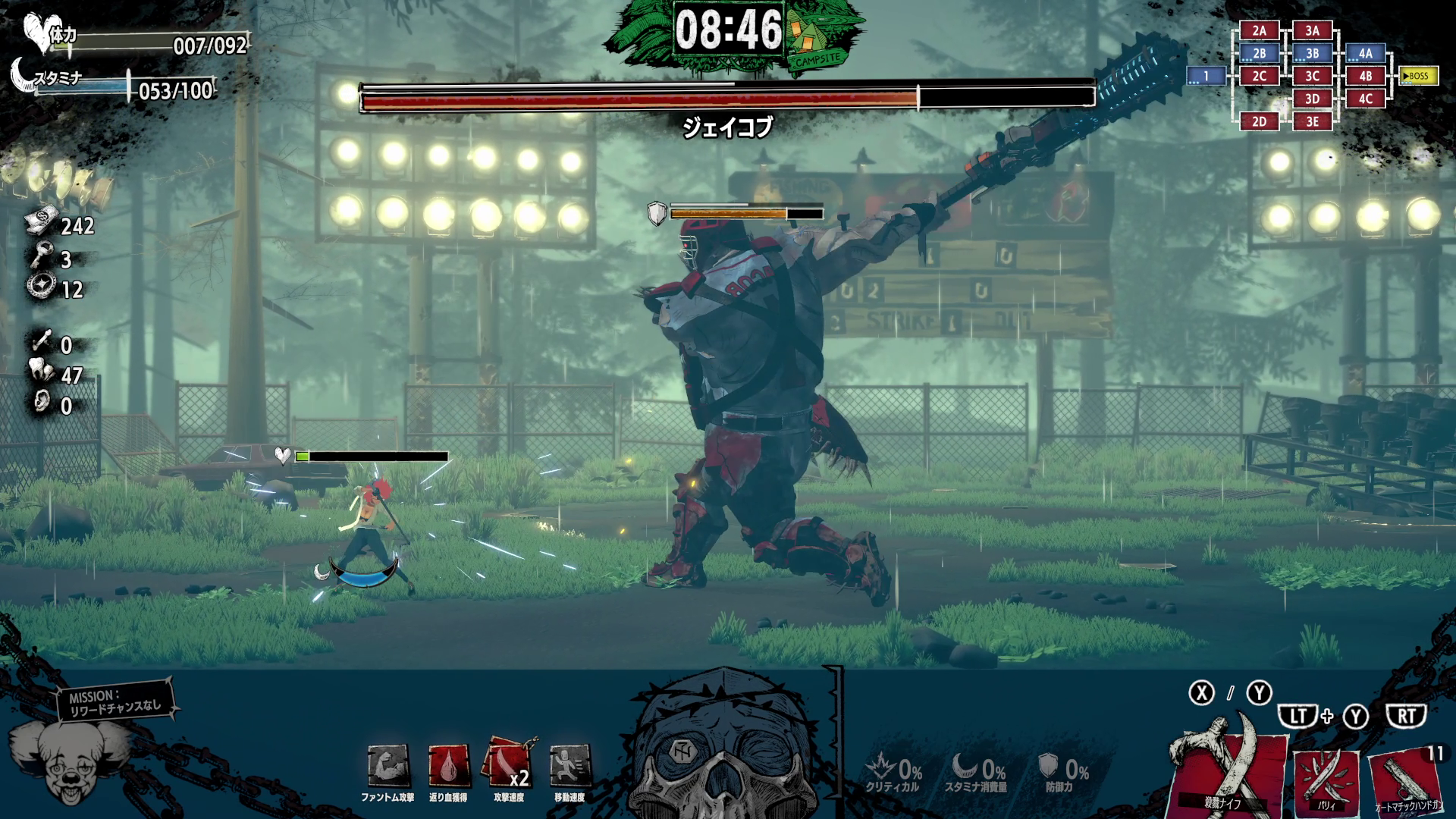
Building off of the Slasher Phantom mechanic, Hotel Barcelona also features full co-op for up to three players, allowing groups to call on each other to clear runs and defeat bosses. There is also a PVP invasion mechanic, similar to the ones found in FromSoftware’s Souls series, however I was unable to test these features out in the advance review period.
Final Thoughts
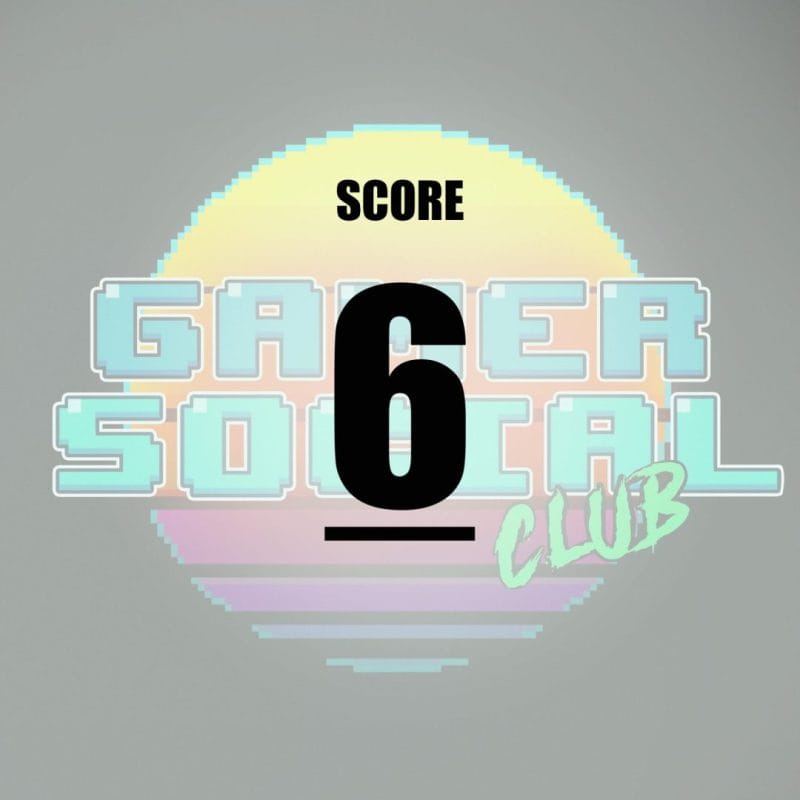
Hotel Barcelona is a a frequently enjoyable collaboration between Swery and Suda51, bringing together two of the industry’s most eccentric minds into an often times uniquely rewarding roguelite with an enjoyable story and cast of characters. However for everything the game does well, there is a frustrating downside that keeps it far beneath the best that either creator has to offer.
Hotel Barcelona releases on September 26 for PC, PlayStation 5, and Xbox Series X/S. The game was reviewed on Xbox Series X.
Thank you to the publisher for providing a game code for the purpose of this review.
Are you interested in checking out Hotel Barcelona? What is your favorite Swery or Suda51 game? Let us know in the comments below.